What Is the Best Time of Year for Tree Removal in Cedar Falls, IA?
Table of Contents
- Introduction
- Understanding the Problem
- How Tree Removal Helps
- Benefits of Choosing the Right Time for Tree Removal
- Related Insights and Resources
- Common Mistakes to Avoid
- When Should You Speak With a Professional?
- Conclusion
- Frequently Asked Questions
Key Takeaways
- The best time of year for tree removal in Cedar Falls is generally late fall through winter, when trees are dormant and the ground is firmer.
- Winter conditions often make it easier for crews to access a property without damaging lawns, gardens, or nearby landscaping.
- The best time to cut down trees can shift depending on the tree's health, location, and any safety concerns.
- Tree removal Cedar Falls can be scheduled year round when a tree poses an immediate risk, regardless of season.
- Planning ahead for seasonal timing can help reduce costs and make the overall process smoother.
Introduction
The best time of year for tree removal in Cedar Falls is typically late fall through winter, when trees are dormant, the ground is firmer, and nearby plants are less likely to be disturbed. Scheduling tree removal during this window often makes the process safer and more efficient for everyone involved.
If a storm has already brought a tree down on your property, understanding who pays for fallen tree damage is a separate but closely related question worth looking into.
For homeowners weighing whether to remove a tree now or wait, timing can affect everything from cost to how much disruption the project causes to the rest of the yard. This article looks at what makes certain seasons better suited to tree removal, and what to consider if your situation does not fit neatly into that window.
Understanding the Problem
Common Customer Concerns
Homeowners thinking about tree removal often ask similar questions:
- "Does it matter what time of year we have a tree removed?"
- "Will removing a tree in summer damage our lawn or garden beds?"
- "Is there a best time to cut down trees if one looks unhealthy?"
- "Can tree removal happen in winter, or does frozen ground cause problems?"
- "What if a tree becomes a hazard outside of the 'ideal' season?"
Why Timing Affects Tree Removal
A few factors influence why certain seasons tend to work better for tree removal:
- Dormancy. During late fall and winter, trees are dormant, which can reduce stress on surrounding vegetation during removal.
- Ground conditions. Frozen or firmer ground in winter can support heavy equipment with less disruption to lawns and soil.
- Visibility. Without leaves, it is often easier to see a tree's structure, including weak limbs or signs of decay.
- Reduced impact on landscaping. Removing a tree when gardens and lawns are dormant means less chance of damaging plants that are actively growing.
- Pest and disease activity. Some pests and diseases are more active in warmer months, and removing affected trees during cooler seasons can reduce the risk of spread.
Why It Matters
Choosing the best time of year for tree removal is not just about convenience. It can affect how much surrounding landscaping is disturbed, how easily crews can access the site, and in some cases, how quickly a project can be scheduled. That said, a hazardous tree does not need to wait for the "right" season. Safety always comes first.
How Tree Removal Helps
The Process
A typical tree removal project follows a similar process regardless of season, though timing can affect certain details:
- Initial assessment of the tree's condition, location, and any risks to structures, power lines, or people.
- Planning the approach, including equipment needed and how to protect surrounding landscaping.
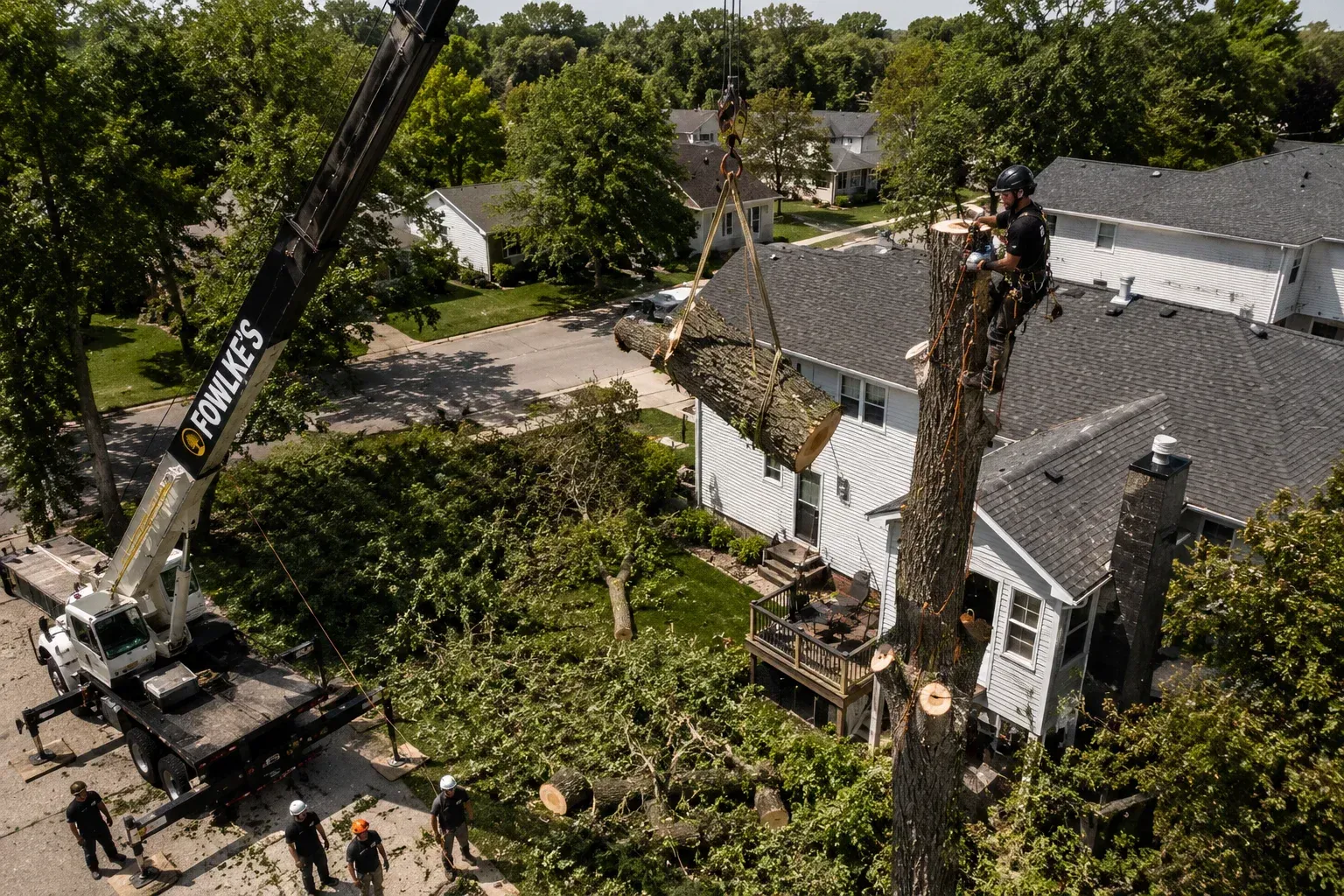
- Removal itself, which may involve sectioning the tree depending on size and location.
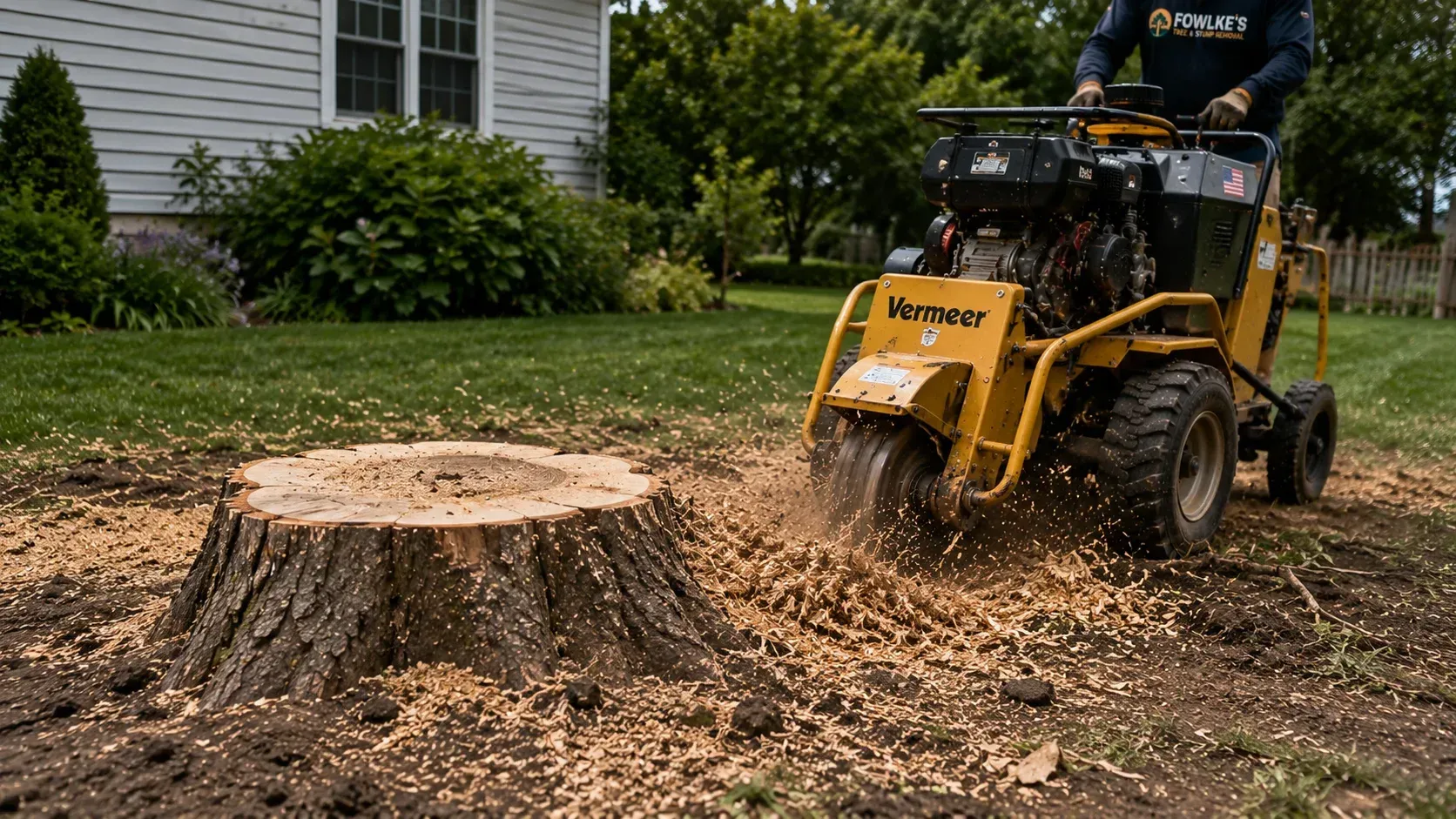
- Cleanup, including removing debris and addressing the stump if requested.
Seasonal Considerations
Winter Tree Removal
Winter is often considered the best time to cut down trees that are not posing an immediate hazard, since dormant trees and firmer ground tend to reduce impact on the property. Cold weather can also mean less disruption to nesting birds or active wildlife.
Spring and Summer Tree Removal
Tree removal in spring or summer is sometimes necessary, particularly if a tree is diseased, storm damaged, or poses a safety risk. While extra care is taken to protect lawns and gardens, removal does not need to wait if a tree is unstable.
Emergency Situations
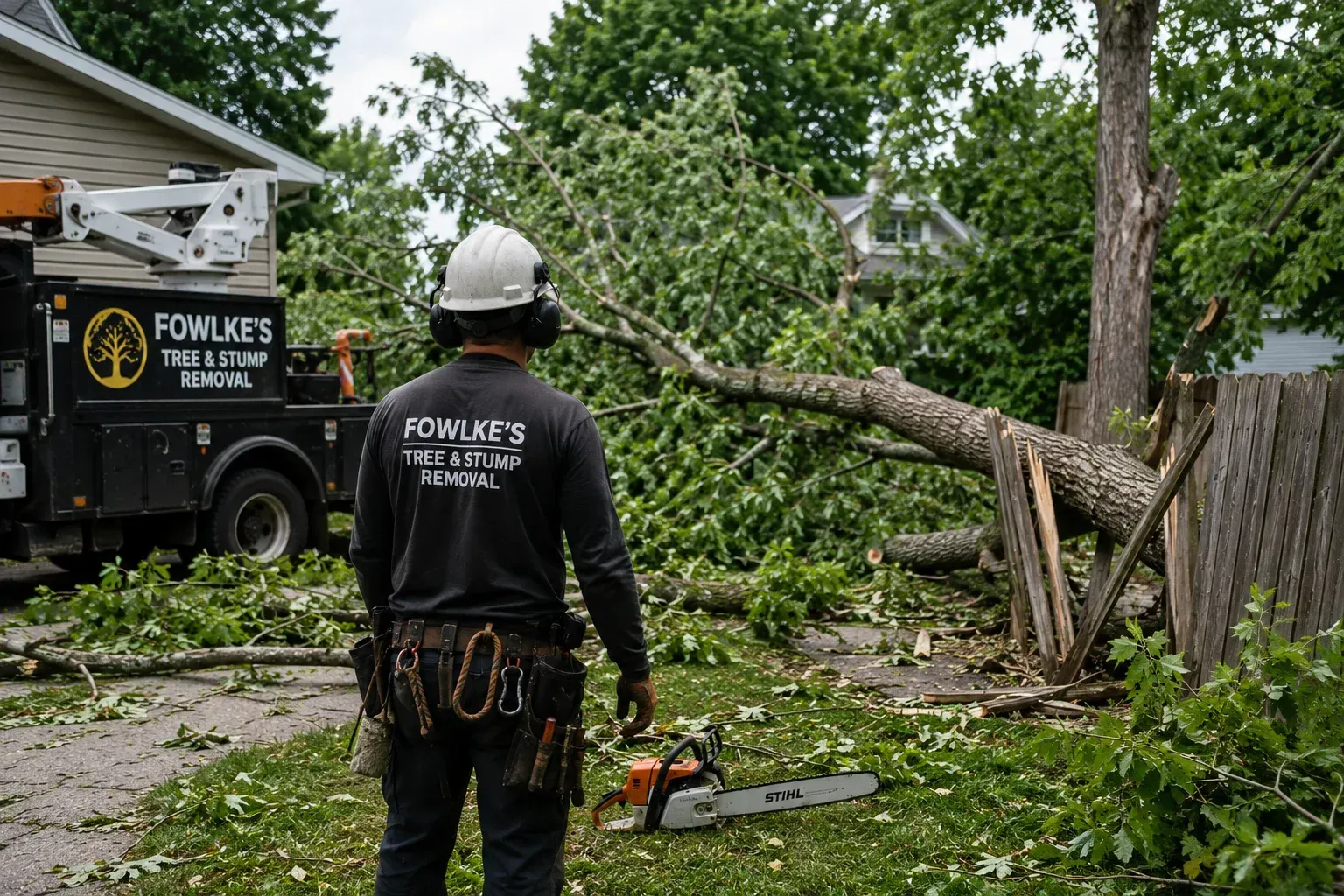
Regardless of season, a tree that has fallen or is at serious risk of falling is treated as a priority. Tree removal Cedar Falls services are not limited to "ideal" weather windows when safety is a concern.
Benefits of Choosing the Right Time for Tree Removal
Reduced Impact on Landscaping
Removing a tree during dormancy can mean less disturbance to lawns, garden beds, and nearby plants compared to removal during active growing seasons.
Easier Site Access
Firmer ground in cooler months can make it easier for equipment to access a property without leaving ruts or compacting soil.
Better Visibility of Tree Structure
Without leaves, it is often easier to assess a tree's overall structure, which can help identify issues that might not be obvious during warmer months.
Potential for More Flexible Scheduling
Some property owners find that scheduling non-urgent tree removal during quieter seasons allows for more flexibility in timing.
Peace of Mind
Whether removal happens during an ideal season or in response to an urgent situation, addressing a problematic tree can reduce ongoing concerns about safety or property damage.
Related Insights and Resources
If a tree has already fallen on your property, whether due to a storm or otherwise, it is worth understanding who pays for fallen tree damage and how liability is typically determined in these situations.
Tips for Planning Tree Removal
- If a tree looks healthy but you are considering removal for other reasons, late fall through winter is often a practical window to plan around.
- If a tree shows signs of decay, leaning, or storm damage, do not wait for a particular season to have it assessed.
- Keep an eye on trees near structures or power lines, especially after severe weather, regardless of time of year.
- Ask about stump removal or grinding at the same time as tree removal to avoid a second visit later.
Common Misconceptions
A common misconception is that tree removal can only happen during certain months. In reality, while some seasons are generally preferred for non-urgent removals, tree removal at Cedar Falls can happen at any time of year when needed. Another misconception is that frozen ground always makes removal more difficult. In many cases, firmer ground actually makes access easier for equipment.
Common Mistakes to Avoid
- Waiting too long to address a hazardous tree. Seasonal preferences should not delay action if a tree poses a safety risk.
- Assuming all tree removal needs to happen in winter. Some situations require attention regardless of season.
- Not considering ground conditions. Wet or soft ground during certain seasons can affect equipment access and may require additional planning.
- Overlooking stump removal. Deciding on stump removal after the tree is already gone can sometimes mean an additional visit.
- Ignoring nearby landscaping during planning. Failing to discuss protection for gardens or lawns ahead of time can lead to avoidable disruption.
When Should You Speak With a Professional?
It may be worth speaking with a tree removal professional if:
- You are planning a non-urgent removal and want guidance on the best time of year for tree removal based on your specific property.
- A tree shows signs of disease, decay, or instability, regardless of the season.
- You are unsure whether current ground conditions will affect access or cost.
- You want to plan stump removal alongside tree removal.
- A storm has caused damage and you are dealing with a fallen or leaning tree.
A conversation with a professional can help clarify whether your situation fits within a typical seasonal window, or whether it needs attention sooner.
Conclusion
The best time of year for tree removal in Cedar Falls is generally late fall through winter, when dormancy, firmer ground, and reduced landscaping activity make the process smoother. That said, the best time to cut down trees ultimately depends on the specific tree and situation, and safety concerns are not bound by season. Understanding these factors can help property owners plan tree removal Cedar Falls projects with realistic expectations, whether they are working around a preferred timeline or responding to an urgent need.
Need Professional Tree Removal Advice?
If you are weighing the best time of year for tree removal for your property, or dealing with a tree that needs attention sooner rather than later, our team is happy to talk through your options. Reach out via email at fowlkestreeandstumpremoval@gmail.com or call (319) 327-1199 to discuss your situation.
Frequently Asked Questions
Is winter really the best time of year for tree removal, or is that just a general guideline?
Winter is often preferred due to dormancy and firmer ground, but it is a general guideline rather than a strict rule for every situation.
Can we have a tree removed in summer if it looks unhealthy?
Yes, if a tree shows signs of disease or instability, removal does not need to wait for a particular season.
Does the best time to cut down trees change based on the type of tree?
Some species may have specific considerations, but dormancy during cooler months is generally favorable across most tree types.
Will scheduling tree removal in Cedar Falls in winter affect cost?
Timing can sometimes affect scheduling availability, though cost depends mainly on the size, condition, and location of the tree.
What if we are not sure whether our tree needs removal at all?
An assessment can help clarify whether removal, pruning, or simply monitoring the tree is the right approach for now.
Related Posts