What Permits Do I Need for Tree Removal in Cedar Falls, IA?
Table of Contents
- Introduction
- Understanding Tree Removal Permits in Cedar Falls, IA
- When a Permit for Tree Removal Is Required
- Situations Where Permits Are Not Required
- Protected Trees and Special Regulations
- How to Apply for Tree Removal Approval
- Risks of Removing a Tree Without Approval
- Working with Professional Tree Services
- Conclusion
- Book a Tree Removal Service
- Frequently Asked Questions
Key Takeaways
- Tree removal permits in Cedar Falls, IA may be required depending on location, tree size, and property type
- Public trees, street trees, and protected species often need prior approval before removal
- Private residential trees may not always require permits, but exceptions apply
- Homeowners should check local city regulations before starting any removal work
- Working with a licensed tree removal service helps ensure compliance with local rules
Introduction
Tree removal permits in Cedar Falls, IA are not always required, but they become necessary in specific situations such as removing public trees, street trees, or protected species. Homeowners and property managers need to understand these requirements before starting any removal work to avoid potential fines or compliance issues.
This topic matters because tree removal is regulated at the city level in many cases, and rules can vary based on property type, tree location, and environmental considerations. Knowing when a permit is needed helps ensure that tree work is carried out legally and responsibly.
Understanding Tree Removal Permits in Cedar Falls, IA
A tree removal permit is an official approval issued by a local authority that allows a tree to be removed under regulated conditions. In Cedar Falls, IA, these rules are typically designed to protect public safety, maintain urban greenery, and preserve environmentally significant trees.
Permit requirements often depend on whether the tree is:
- Located on private property
- Part of public land or right-of-way
- Considered a protected or heritage tree
- Impacting utilities, sidewalks, or public infrastructure
Understanding these categories helps property owners determine whether approval is needed before scheduling removal work.
Preparing the Area Before Cutting
Preparation is essential when learning how to chop down a tree safely.
Start by clearing the surrounding area. Remove outdoor furniture, vehicles, and debris that could interfere with the process.
Next, identify a safe fall zone. This is the direction where you want the tree to land. Ideally, the fall zone should be clear of structures and obstacles.
Also consider:
- Escape routes: Plan at least two paths away from the falling tree
- Ground stability: Avoid working on uneven or slippery surfaces
- Weather conditions: Do not cut during strong winds or storms
Careful preparation helps reduce unexpected outcomes during the cut.
When a Permit for Tree Removal Is Required
A permit for tree removal may be required in several common situations in Cedar Falls, IA:
1. Street or Public Trees
Trees located along sidewalks, streets, or city-owned property generally require approval before removal. These trees are considered part of public infrastructure.
2. Trees Affecting Utilities or Infrastructure
If a tree is near power lines, water systems, or public pathways, the city or utility provider may require review before removal is allowed.
3. Large or Mature Trees in Regulated Zones
Some areas may have additional rules for mature trees due to environmental or zoning considerations.
4. Construction or Development Projects
Tree removal tied to building or land development may require permits as part of broader site approval processes.
Situations Where Permits Are Not Required
In many cases, residential property owners in Cedar Falls, IA may not need a permit for tree removal. This typically includes:
- Trees located entirely within private residential boundaries
- Non-protected species not subject to local conservation rules
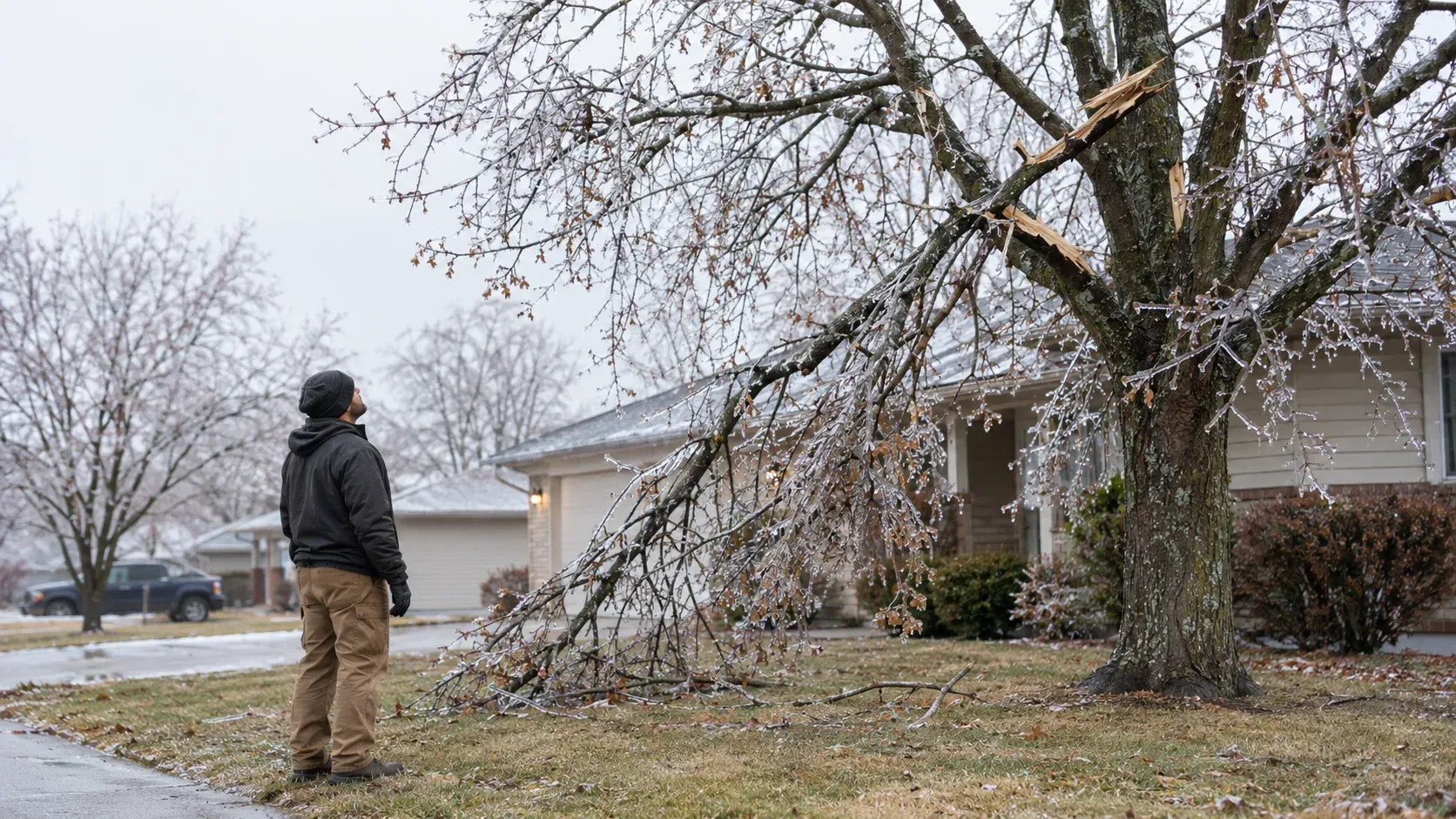
- Dead, hazardous, or storm-damaged trees posing immediate risk
Even when permits are not required, it is still important to verify local rules, as exceptions can apply based on neighborhood zoning or special district regulations.
Protected Trees and Special Regulations
Some trees may be protected due to their size, age, or environmental importance. These regulations are intended to preserve the local ecosystem and maintain community green space.
Protected trees may include:
- Older mature trees with ecological value
- Certain native species identified by city guidelines
- Trees located in designated conservation areas
In these cases, removal usually requires approval and sometimes documentation explaining the reason for removal.
How to Apply for Tree Removal Approval
If a permit is needed, the process typically involves several steps:
Step 1: Property and Tree Assessment
The city or relevant authority may request details about the tree, including its location, size, and condition.
Step 2: Application Submission
A formal application is submitted to the local permitting office, sometimes with supporting documentation or photos.
Step 3: Review Process
Officials review the request to determine whether removal is justified based on safety, health, or development needs.
Step 4: Approval or Conditions
Approval may be granted with specific conditions, such as replacement planting or additional approvals.
The exact process can vary depending on the type of property and tree involved.
Risks of Removing a Tree Without Approval
Removing a tree without required approval in Cedar Falls, IA can lead to several issues, including:
- Potential fines or penalties
- Delays in property development or inspections
- Liability concerns if the tree was protected or publicly owned
- Requirement to replace the tree or restore the site
Understanding permit rules before starting work helps reduce these risks and ensures compliance with local expectations.
Working with Professional Tree Services
Many property owners choose to work with a professional tree removal service to help navigate permit requirements and ensure safe removal practices.
A professional team can:
- Assess whether a permit may be required
- Help document tree conditions if needed for applications
- Carry out safe and regulated removal work
- Ensure compliance with local guidelines
For example, experienced providers such as Fowlkes Tree And Stump Removal work with property owners to support safe and informed tree care decisions in line with local expectations.
Conclusion
Tree removal permits in Cedar Falls, IA depend on several factors, including tree location, ownership, species, and condition. While many private residential removals may not require approval, public trees, protected species, and certain regulated areas often do.
Understanding these rules before starting any work helps ensure compliance with local regulations and supports responsible property management. When in doubt, checking with local authorities or consulting a qualified tree professional is a practical step.
Book a Tree Removal Service
If we are unsure about tree removal permits or want guidance before starting work, we can seek professional support for clarity and safe planning.
Fowlkes Tree And Stump Removal provides tree care services in Cedar Falls, IA. Send us an email at fowlkestreeandstumpremoval@gmail.com or call us at 319-327-1199 to learn more about our tree services.
Frequently Asked Questions
Do we always need tree removal permits before removing trees on private property?
Not always. In Cedar Falls, IA, many private trees can be removed without permits unless they fall under protected or regulated categories.
How do we know if tree removal permits apply to our property?
We usually need to check if the tree is on public land, within a regulated zone, or considered a protected species under local guidelines.
Can tree removal service providers help with permit checks?
Yes, many tree removal service providers can help assess whether permits may be required before work begins.
What happens if we skip required permit for tree removal?
We may face fines, delays, or required restoration if a permit was required but not obtained.
Are emergency removals exempt from tree removal permits?
Emergency removals for hazardous trees may be treated differently, but we still need to verify local reporting or documentation rules afterward.
Related Posts