Signs your tree is dying and needs Tree removal
Table of Contents
- Introduction
- Common Visual Tree Dying Signs
- Structural Risks of a Dying Tree
- Environmental and Soil-Related Causes
- When Tree Removal Becomes Necessary
- Why Professional Tree Assessment Matters
- Preventive Care and Risk Reduction
- Conclusion
- Book a Tree Removal Service
- Frequently Asked Questions
Key Takeaways
- Early tree dying signs often appear in leaves, branches, and bark before structural failure becomes visible
- Fungal growth, hollow trunks, and brittle limbs may indicate serious internal decay
- Environmental stress and disease are common contributors to declining tree health
- Tree removal may become necessary when structural integrity is compromised
- Professional assessment helps determine whether treatment or removal is appropriate
Introduction
Tree dying signs often show up gradually and may include changes in leaves, brittle branches, trunk damage, or fungal growth. These warning indicators matter because they can signal declining structural stability that may increase safety risks for homes and surrounding property in Cedar Falls, IA.
For homeowners, recognizing these
early tree signs helps support informed decisions about maintenance, treatment, or
tree removal when necessary. Understanding tree health is an important part of managing outdoor safety and landscape stability.
Common Visual Tree Dying Signs
Leaf discoloration and thinning canopy
One of the earliest tree dying signs is a noticeable change in leaf health. Leaves may turn yellow, brown, or fall earlier than expected. A thinning canopy can indicate that the tree is under stress and not receiving or distributing nutrients properly.
In many cases, this decline happens gradually over one or more growing seasons.
Brittle or falling branches
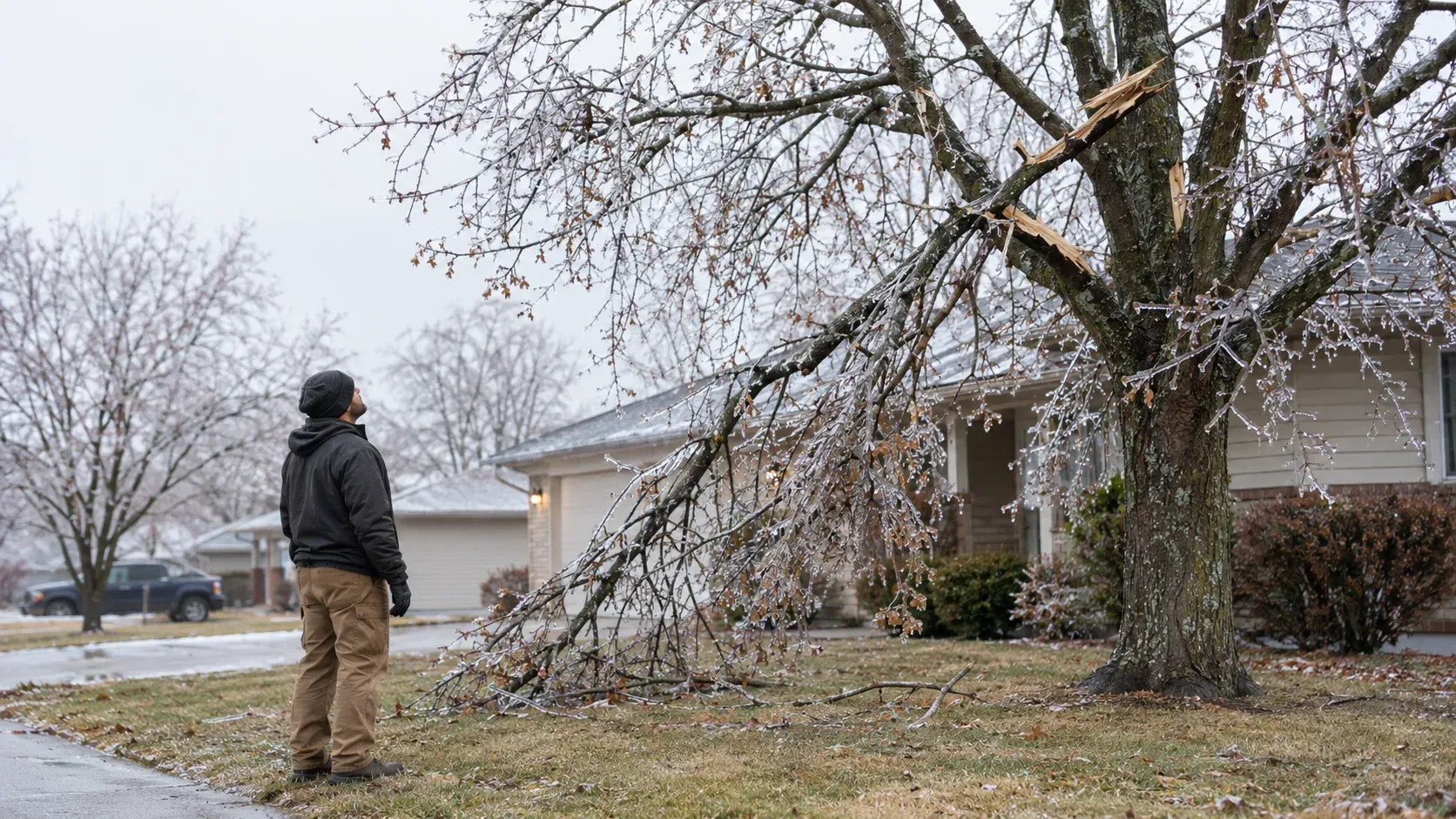
Branches that snap easily or fall without strong wind may suggest internal weakness. Healthy branches typically have flexibility and strength. When limbs become brittle, it may indicate dehydration, disease, or internal decay.
Regular falling debris can also signal that the tree is becoming structurally unstable.
Bark damage and trunk issues
Cracks, peeling bark, or deep splits in the trunk may point to serious internal problems. Bark acts as a protective layer, and when it deteriorates, pests and disease can enter more easily.
Hollow sections or soft spots in the trunk often indicate long-term decay.
Fungal growth and mushrooms
Fungi growing at the base or along the trunk is a common indicator of internal rot. Mushrooms and conks often feed on decaying wood inside the tree, even if the exterior appears stable.
This is one of the more advanced tree dying signs and should not be ignored.
Structural Risks of a Dying Tree
A declining tree can pose safety risks even if it still appears partially healthy. Structural failure often begins internally before becoming visible.
Root instability
Roots anchor the tree and absorb water and nutrients. When roots decay or become damaged, the tree may lean or shift unexpectedly. Soil movement around the base can also indicate weakening support.
Weak branch attachments
As decay spreads, branches may lose secure attachment points. This increases the risk of sudden limb failure, especially during storms or high winds.
Internal trunk decay
A tree can appear upright while hollow or weakened inside. This hidden decay is one of the most serious risks because it is not always visible without inspection.
Environmental and Soil-Related Causes
Tree decline is not always caused by a single issue. Environmental conditions often play a major role.
Drought or overwatering
Both too little and too much water can stress a tree. Drought conditions reduce nutrient uptake, while excessive water can lead to root rot.
Soil compaction
Heavy foot traffic or construction activity can compact soil, limiting oxygen and water flow to roots. This weakens overall tree health over time.
Pests and disease
Insects such as borers or aphids, along with fungal infections, can gradually damage internal systems. Once spread begins, recovery may be difficult depending on severity.
When Tree Removal Becomes Necessary
Tree removal is generally considered when the tree can no longer maintain structural stability or poses a safety risk.
Severe structural damage
If the trunk is hollow, splitting, or extensively decayed, recovery may not be possible. At this stage, removal may be recommended to reduce risk of collapse.
High risk of falling
A tree that leans significantly or drops large limbs frequently may present a hazard to nearby structures, vehicles, or walkways.
Advanced disease or infestation
When disease has spread throughout the tree, treatment options may be limited. In these cases, removal may help prevent spread to nearby healthy trees.
Why Professional Tree Assessment Matters
A visual inspection can reveal some tree dying signs, but internal conditions are often harder to detect without professional tools and experience.
Certified arborists typically evaluate:
- Trunk stability and internal decay
- Root system health
- Canopy density and leaf condition
- Signs of pest or fungal activity
This assessment helps determine whether a tree can be preserved or if tree removal is the safer option.
Preventive Care and Risk Reduction
While not all tree decline can be prevented, certain practices may help maintain long-term health.
Regular pruning
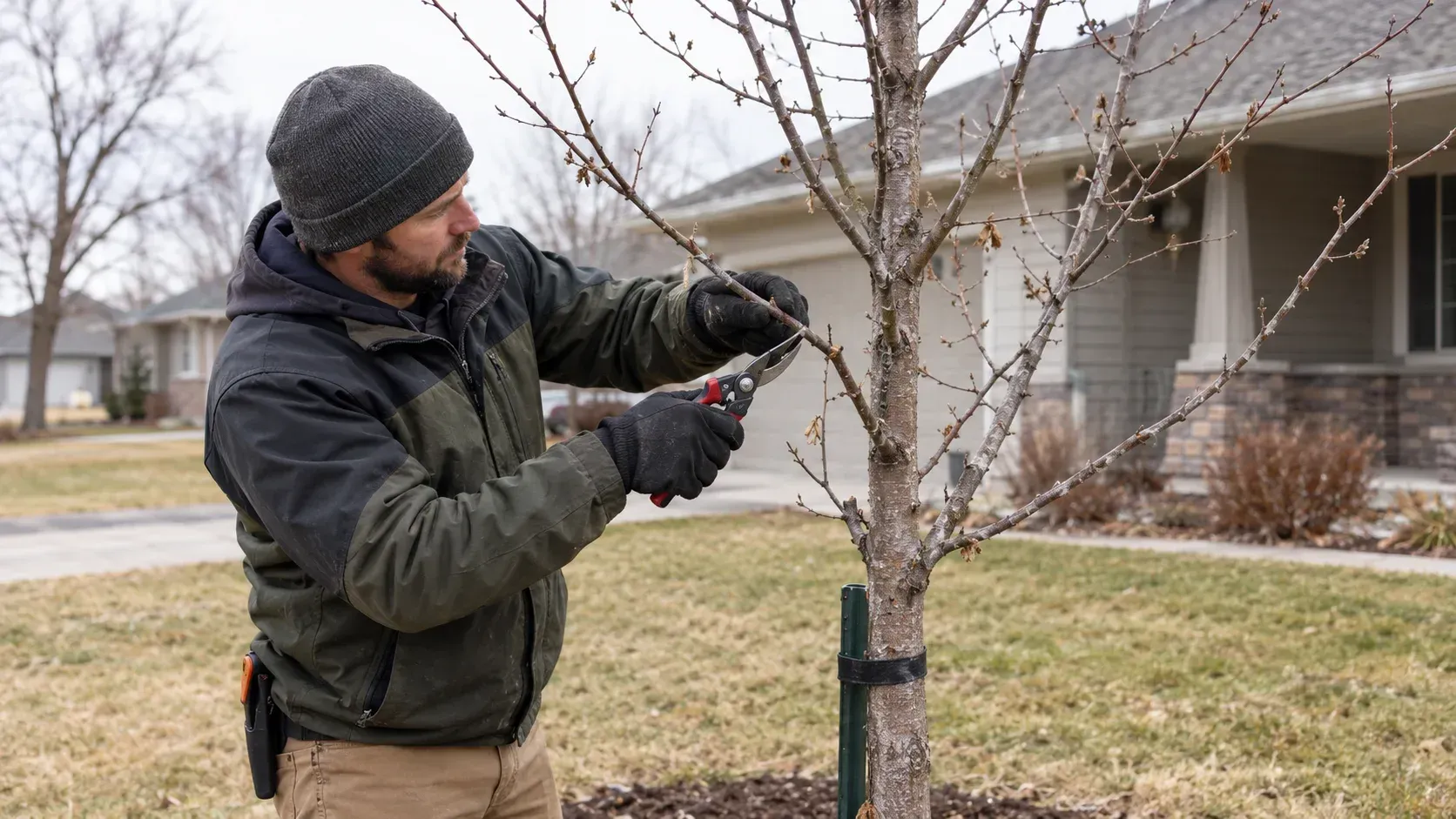
Removing dead or weak branches can reduce stress on the tree and improve airflow through the canopy.
Soil maintenance
Healthy soil supports strong root systems. Proper watering and mulching can help maintain balanced moisture levels.
Routine inspections
Regular checks, especially after storms, can help identify early tree dying signs before conditions worsen.
Conclusion
Tree dying signs often develop gradually and may include changes in leaves, bark, branches, or overall structure. These indicators can signal internal decay or environmental stress that may compromise stability over time.
Understanding these warning signs helps homeowners make informed decisions about maintenance and potential tree removal when safety becomes a concern. Careful observation and timely assessment are important steps in managing tree health responsibly.
Book a Tree Removal Service
When tree dying signs raise concerns about safety or structural stability, a professional evaluation can help guide informed decisions about next steps.
For homeowners in Cedar Falls, IA, support and assessment are available through Fowlkes Tree And Stump Removal. More information can be found by contacting fowlkestreeandstumpremoval@gmail.com and 319-327-1199 for inquiries or service details..
Frequently Asked Questions
What are the most common tree dying signs we should look for early?
Early signs include thinning leaves, brittle branches, and slow canopy decline. These changes often indicate stress or reduced nutrient flow.
How do we know if tree removal is needed for tree dying signs?
If we see trunk decay, large dead sections, or frequent limb drop, tree removal may be considered after assessment.
Can tree dying signs appear even if the tree still has green leaves?
Yes, internal decay can progress while leaves still appear healthy. Structural issues may not show immediately.
Are all dying tree signs caused by disease?
No, environmental stress like drought, soil compaction, and root damage can also cause similar symptoms.
Should we act immediately when we notice tree dying signs near our home?
We should monitor closely and schedule an evaluation. Early assessment helps determine risk and next steps safely.
Related Posts