How Much Does Emergency Tree Removal Typically Cost After a Summer Storm in Iowa?
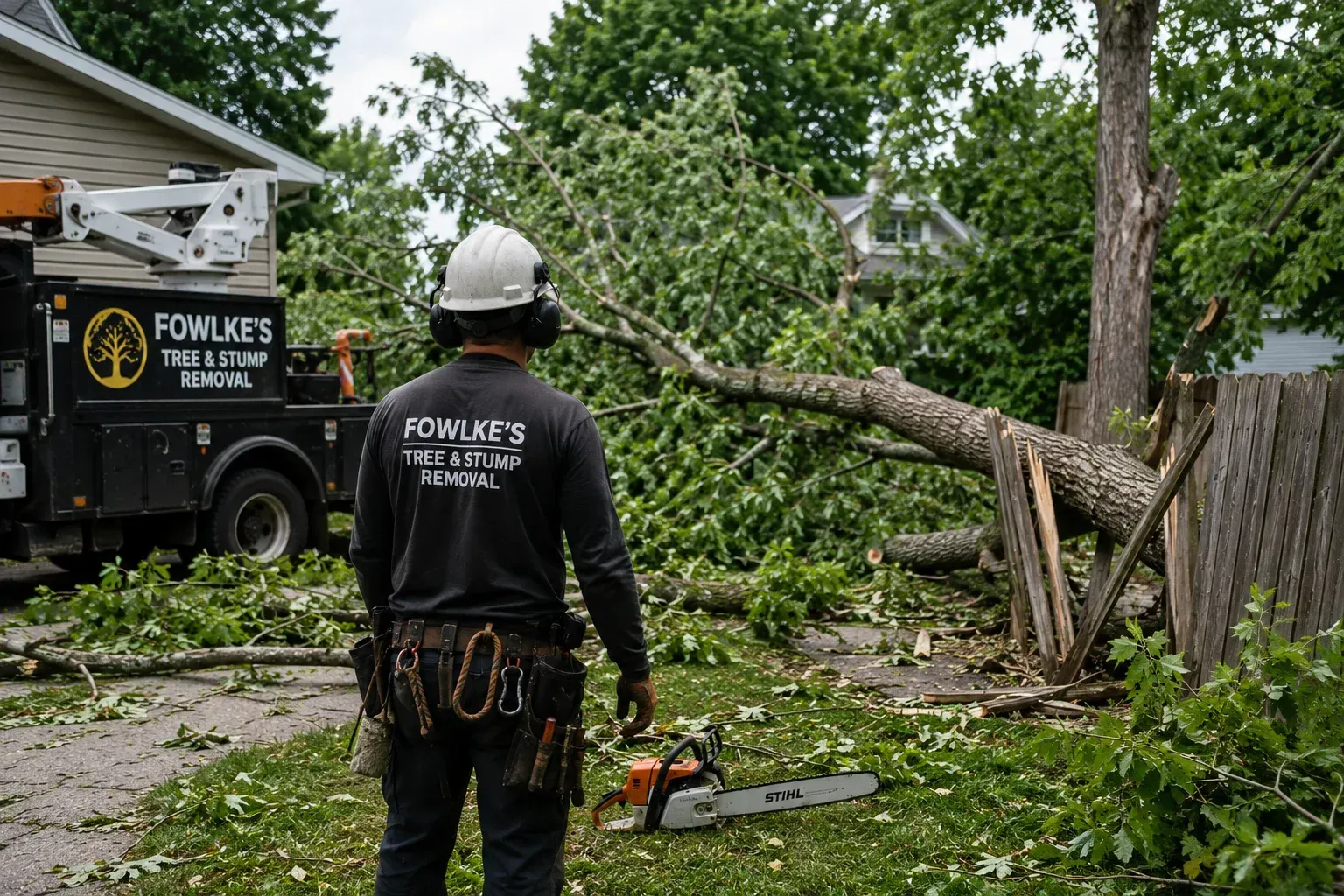
Table of Contents
- Introduction
- Why Emergency Tree Removal Does Not Have a Fixed Price
- The Main Factors That Affect the Cost
- How Storm Damage Changes the Job
- What the Removal Process Usually Involves
- Costs That Come After the Tree Is Down
- When Emergency Removal Is Actually Necessary
- How to Read an Emergency Removal Estimate
Key Takeaways
- There is no single flat price for emergency tree removal, because the cost depends on the size of the tree, where it fell, and how hard it is to reach.
- Storm situations often cost more than planned removals, since the work is urgent, riskier, and sometimes involves damaged structures or power lines.
- Cleanup, debris hauling, and leftover stumps are usually separate parts of the total, not always included in the base removal.
- A tree resting on a house, car, or power line is a safety matter and generally needs a professional rather than a DIY approach.
- Getting a clear, itemized estimate before work begins helps you understand what you are paying for.
Introduction
There is no single set price for emergency tree removal after a summer storm in Iowa, because the cost depends on the tree's size, where it landed, how badly it is damaged, and how difficult it is to reach safely. Two fallen trees on the same street can cost very different amounts to deal with, so any honest answer starts with the factors involved rather than a flat number.
This matters because storm damage tends to hit fast and force quick decisions. When a tree is leaning on your roof or blocking your driveway, it helps to already understand what drives the price so you are not making a rushed call with no context. Our team provides tree service in Independence and the surrounding area, and storm cleanup is one of the more common reasons people reach out during the summer months.
Why Emergency Tree Removal Does Not Have a Fixed Price
Tree removal is priced job by job, not off a set menu. A small tree in an open backyard is a straightforward task. A large tree that has fallen across a fence and into a neighbor's yard is a very different one.
Emergency work adds another layer. When a crew has to respond quickly, often outside normal hours and in conditions left behind by a storm, the job carries more risk and takes more planning. That is why the same tree can cost more to remove during an emergency than it would as a scheduled visit.
Because of all this, be cautious about any price quoted sight unseen. A fair estimate almost always comes after someone has looked at the actual situation.
The Main Factors That Affect the Cost
A handful of things tend to move the price more than anything else. Understanding them makes the final estimate easier to follow.
Tree Size and Type
Bigger trees cost more to remove. A tall, heavy tree takes more time, more equipment, and more labor than a small one, and the wood is harder to cut and haul.
Species matters too. Dense hardwoods are heavier and tougher to handle than softer, faster-growing trees, which can add to the effort involved.
Location on the Property
Where the tree is sitting can matter as much as its size. A tree that fell in an open yard is far simpler to handle than one wedged against a house, garage, or fence.
Trees near power lines, structures, or septic systems call for extra care and sometimes extra coordination. The closer the tree is to something valuable or fragile, the more careful and time-consuming the work becomes.
Accessibility
Crews need a way to get equipment to the tree. A tree in a front yard near the street is easy to reach, while one in a fenced backyard or on a steep slope is not.
When machines cannot get close, more of the work has to be done by hand, which usually takes longer and raises the cost.
How Storm Damage Changes the Job
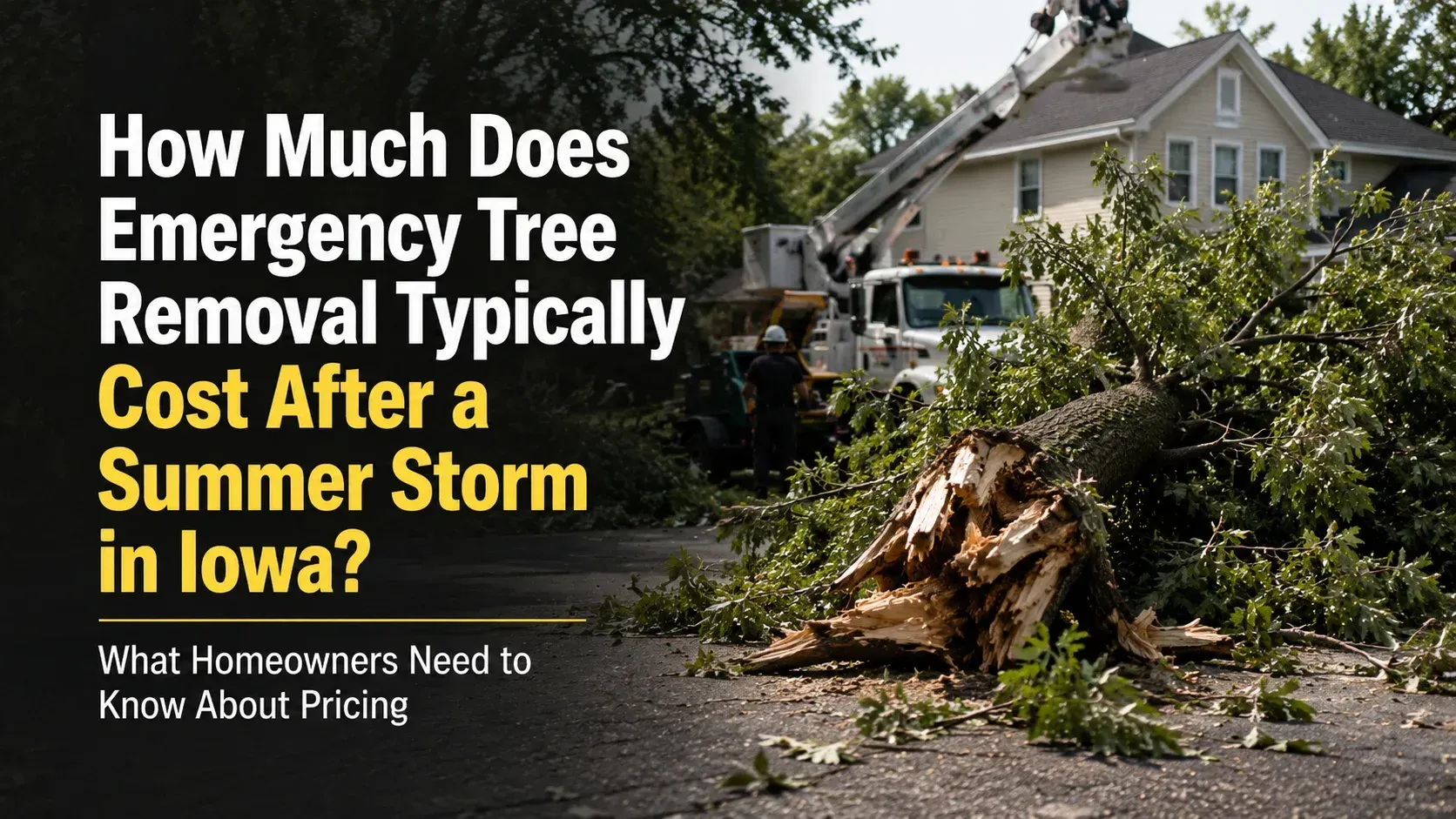
Storm-damaged trees are unpredictable, and that unpredictability is part of the cost. A tree that snapped or partly uprooted may be under tension, meaning it can shift or spring when cut. That takes extra skill and caution to handle safely.
Damage also stacks up. A single storm can down several trees or drop large limbs across a property at once, and clearing multiple hazards is a larger job than removing one clean-standing tree.
Timing plays a role as well. After a major storm, many people need help at the same time, and the urgent nature of summer storm tree removal means crews are often working in less-than-ideal conditions to reduce further risk to homes and property.
What the Removal Process Usually Involves
Most emergency removals follow a similar path, even if the details change from job to job. It usually starts with an assessment of the tree, the surroundings, and any hazards like power lines or unstable limbs.
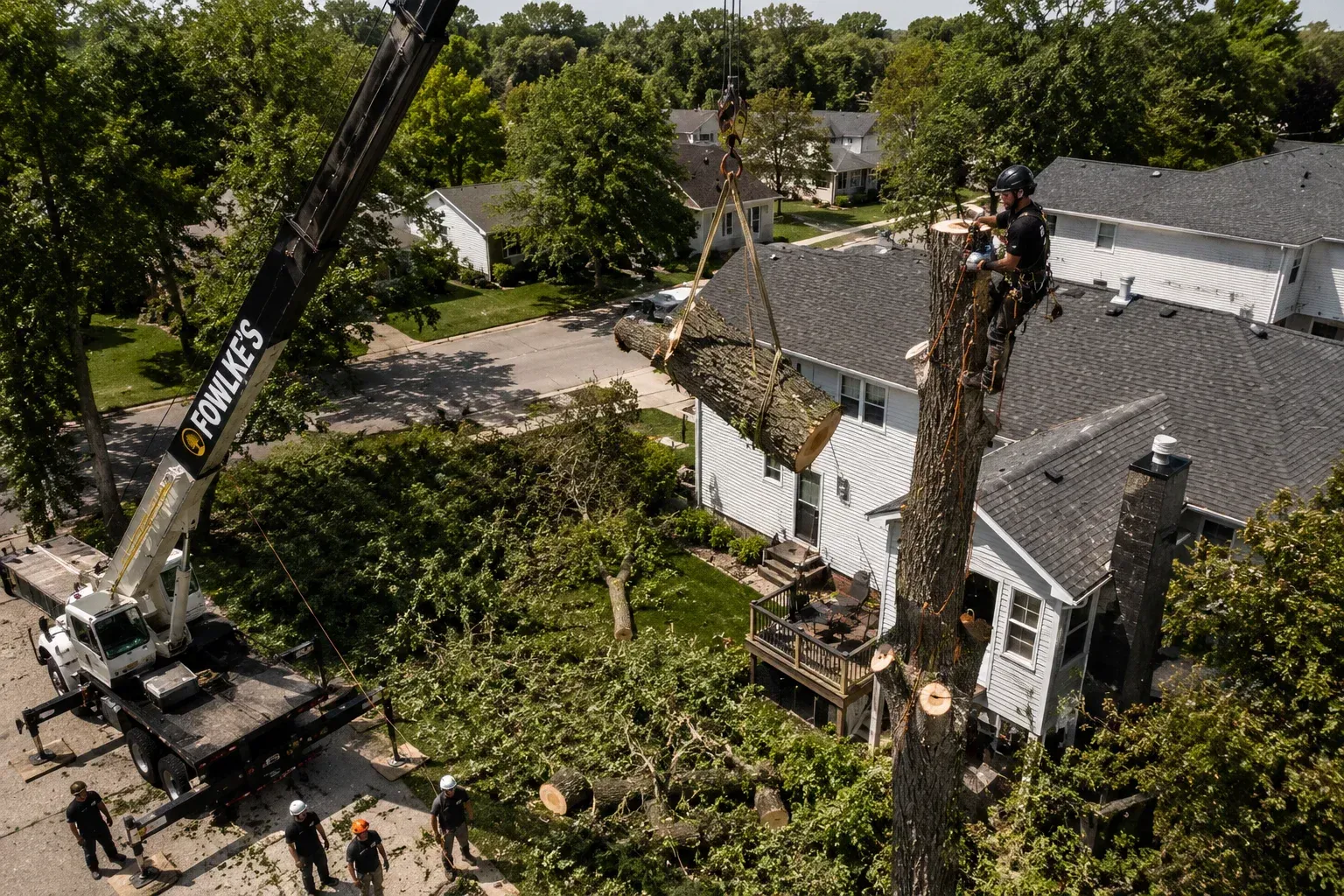
From there, the crew plans how to bring the tree down or off a structure in a controlled way. For trees in tight spots or resting on buildings, this can involve specialized equipment to lift and lower sections safely instead of simply felling the tree.
The tree is then cut into manageable pieces and cleared from the immediate area. How much of the cleanup and hauling is included in the base price can vary, so it is worth asking up front.
Costs That Come After the Tree Is Down
Getting the tree down is often not the end of the job. There are usually a few remaining tasks that can be part of the total or billed separately.
Debris removal is a common one. Hauling away logs, branches, and leaves takes time and vehicle space, and some estimates include it while others treat it as an add-on.
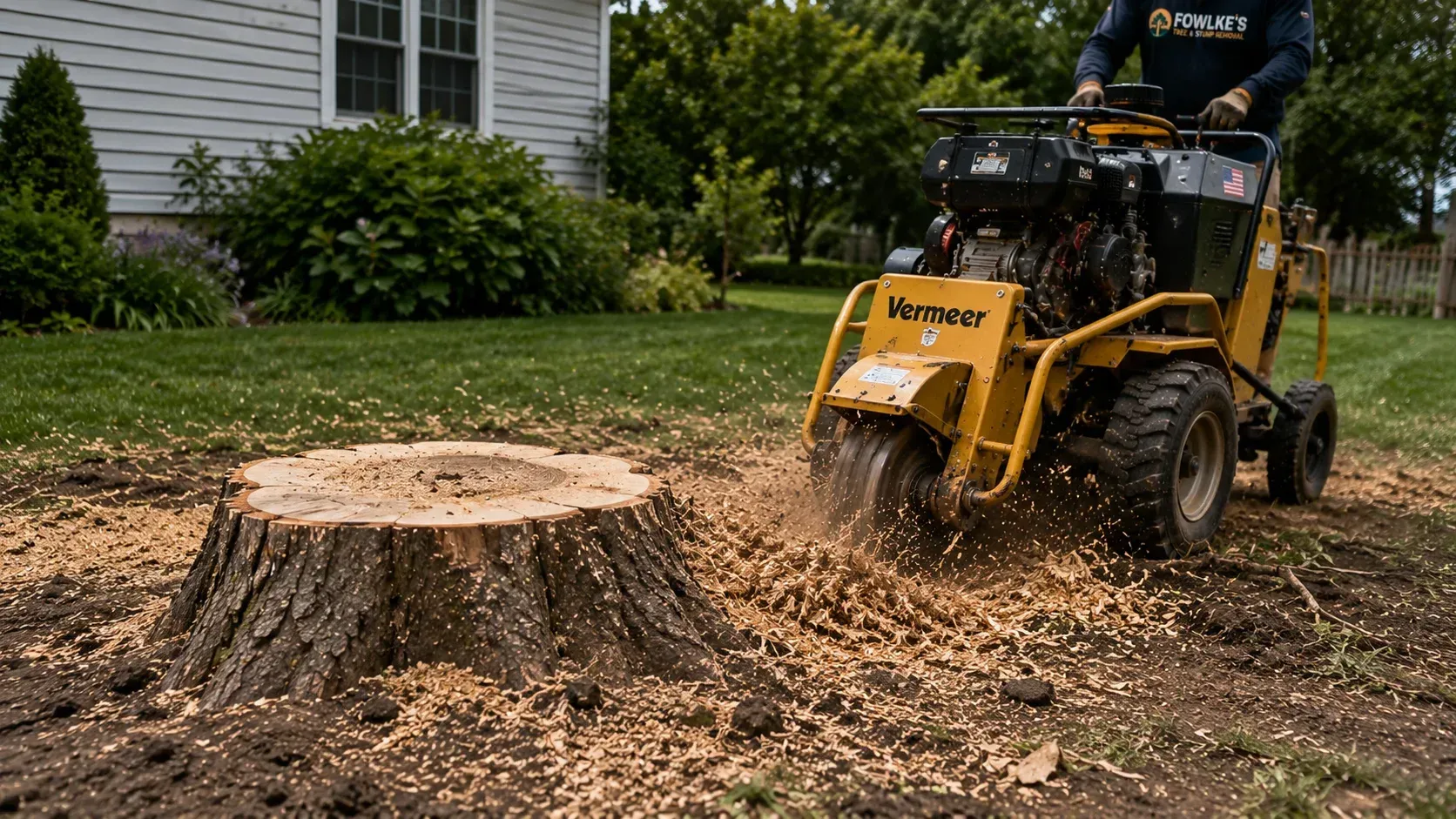
The stump is another item. Once a tree is removed, the stump stays behind unless it is dealt with, and stump grinding is typically a separate service. If you want the stump gone rather than left in place, it helps to raise that when getting your estimate.
When Emergency Removal Is Actually Necessary
Not every storm-damaged tree needs immediate removal. Some can wait for a scheduled visit, which is often more affordable and less rushed.
Emergency removal makes the most sense when there is an active safety risk. A tree resting on a house, blocking the only way in or out, tangled with power lines, or hanging over a spot where people gather is a situation where waiting adds risk.
If a tree is damaged but stable and not threatening anything, a non-emergency assessment may be the better route. A professional can help you tell the difference, since it is not always obvious from the ground whether a leaning tree is settled or still moving.
How to Read an Emergency Removal Estimate
A clear estimate is easier to trust than a single lump-sum number. Ask what the price covers, whether debris hauling is included, and whether the stump is part of the job or a separate charge.
It also helps to understand why the number is what it is. A reputable crew should be able to explain how the tree's size, location, and condition factor into the estimate.
Keep in mind that storm conditions can reveal surprises once work begins, such as hidden damage or a tree that is more unstable than it looked. Asking how changes like that would be handled is a fair question to raise before the work starts.
Conclusion
Emergency tree removal after a summer storm does not come with a fixed price, because the cost reflects the tree's size, where it fell, how much damage it took, and how hard it is to reach. Storm work also tends to cost more than a planned removal, since it is urgent, riskier, and often involves several hazards at once.
Knowing the factors behind the price puts you in a better spot to understand an estimate and decide what needs immediate attention versus what can wait. When safety is genuinely at stake, a professional assessment is the more reliable way to weigh your options instead of guessing under pressure.
Dealing With a Storm-Damaged Tree and Not Sure What It Will Take?
If a summer storm has left you with a fallen or leaning tree and you are unsure how urgent it is or what the work involves, it can help to talk it through with someone first. You are welcome to
contact us to ask questions or arrange a look at your property. There is no pressure and no obligation, just clear information to help you decide on your next step.
Frequently Asked Questions
Why is emergency tree removal more expensive than regular removal?
Emergency work is usually urgent, carried out in storm conditions, and often riskier because damaged trees can be unstable. The added risk, timing, and planning involved tend to make it cost more than a scheduled removal.
Does homeowners insurance cover storm tree removal?
It depends on your policy and the situation. Coverage often relates to whether the tree damaged a covered structure, so it is best to check directly with your insurance provider about your specific circumstances.
Is the stump included when a tree is removed?
Usually not. Stump grinding or removal is typically a separate service, so if you want the stump gone rather than left in the ground, it helps to mention that when getting your estimate.
Should I try to remove a storm-damaged tree myself?
Trees resting on structures, tangled in power lines, or under tension are dangerous to handle without training and proper equipment. For those situations, a professional is the safer choice.
How quickly can a tree be removed after a storm?
Timing depends on demand and conditions, since many people often need help at once after a major storm. Situations with an active safety risk are generally treated as more urgent.
Related Posts