What Are the Risks of Tree Topping?
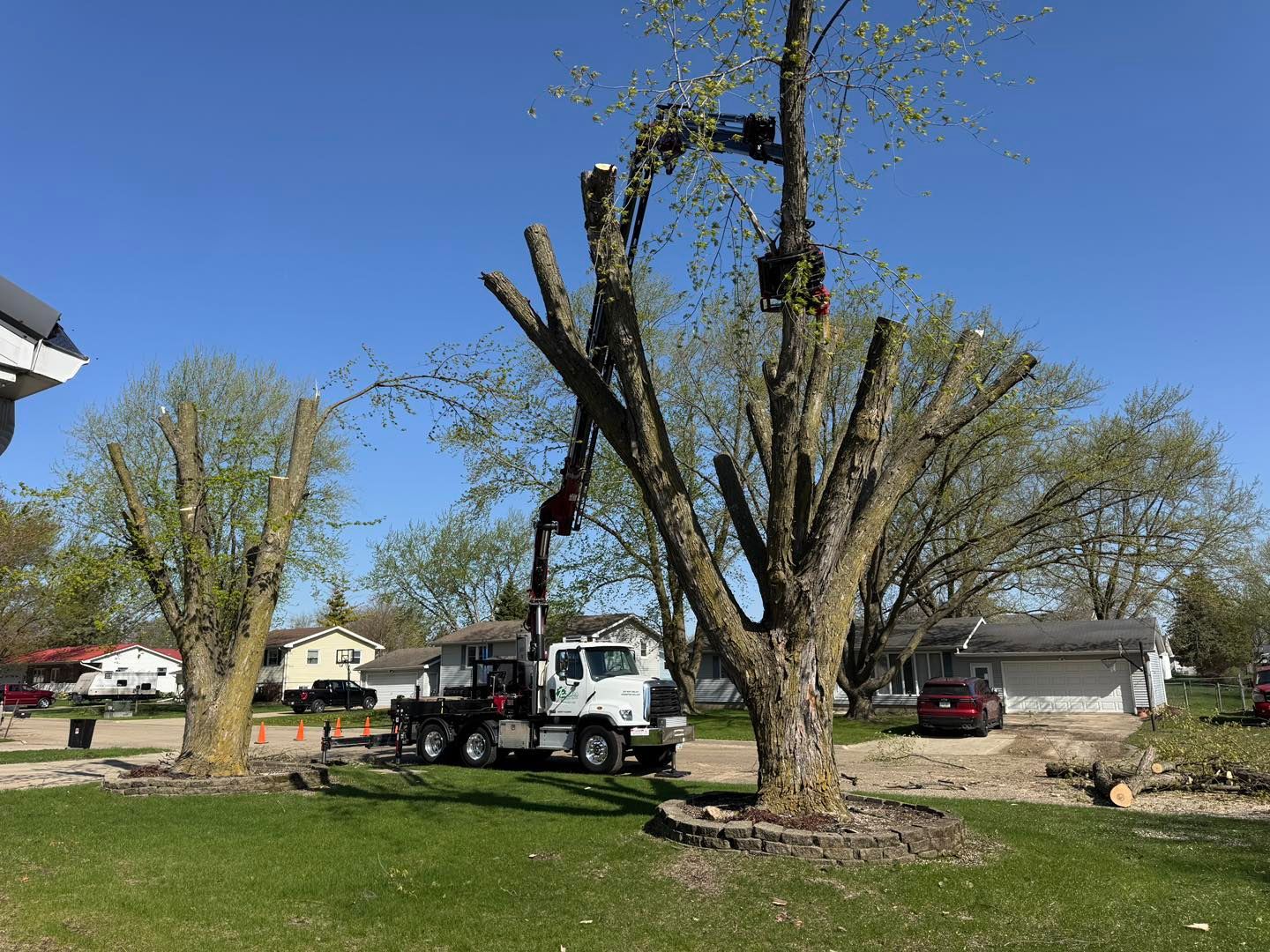
Table of Contents
- Introduction
- What Is Tree Topping?
- Why Do People Consider Topping Trees?
- The Main Risks of Tree Topping
- Impact on Tree Health
- Structural Weakness and Safety Concerns
- Increased Risk of Disease and Decay
- Long-Term Maintenance Challenges
- How Tree Topping Affects Tree Growth
- Are There Situations Where Topping a Tree Is Used?
- Safer Alternatives to Tree Topping
- Conclusion
- Book a Tree Care Service
- Frequently Asked Questions
Key Takeaways
- Tree topping removes large portions of a tree, which can weaken its overall health.
- The practice often leads to unstable regrowth that may increase safety risks.
- Topped trees are more vulnerable to pests, disease, and decay.
- Long-term maintenance needs can increase due to rapid, weak regrowth.
- Safer alternatives like selective pruning help maintain structure and health.
Introduction
Tree topping is a pruning practice that involves cutting back large branches or the top of a tree, and it carries several risks related to tree health, structural stability, and long-term safety. For homeowners and property managers in Cedar Falls, IA, understanding these risks is important when making decisions about tree care.
Trees contribute to property value, shade, and environmental balance. Improper pruning methods, such as topping trees, can compromise these benefits. By understanding what tree topping involves and its potential consequences, property owners can make more informed and responsible decisions.
What Is Tree Topping?
Tree topping refers to the removal of the upper portion of a tree's canopy. This often involves cutting branches back to stubs or lateral branches that are too small to sustain healthy growth.
Unlike proper pruning, which follows natural growth patterns, topping a tree removes significant foliage without regard to the tree's structure. This can disrupt the tree's biological processes and lead to unintended consequences.
Why Do People Consider Topping Trees?
Some property owners consider topping trees for practical reasons, including:
- Reducing tree height
- Preventing interference with power lines
- Improving views
- Minimizing leaf or debris fall
While these goals may seem reasonable, topping trees is not generally recommended as a solution. The practice may create additional issues rather than resolving the original concern.
The Main Risks of Tree Topping
Impact on Tree Health
Trees rely on their leaves to produce energy through photosynthesis. When a large portion of the canopy is removed, the tree loses its ability to generate sufficient nutrients.
This can result in:
- Reduced energy reserves
- Stress response that weakens the tree
- Slower recovery and growth imbalance
Over time, repeated topping can significantly reduce a tree's lifespan.
Structural Weakness and Safety Concerns
One of the most important risks of tree topping is the development of weak branch structures. After topping, trees often produce rapid regrowth known as "water sprouts."
These shoots:
- Grow quickly but lack strong attachment
- Are more likely to break during storms or high winds
- Can pose safety risks to nearby people and structures
In Cedar Falls, where seasonal storms can occur, weakened tree structures may increase the likelihood of branch failure.
Increased Risk of Disease and Decay
Large cuts made during topping expose internal wood tissues. These open wounds can become entry points for pests and pathogens.
Potential issues include:
- Fungal infections
- Insect infestations
- Internal decay that is not immediately visible
Because the cuts are often made improperly, the tree may struggle to seal these wounds effectively, increasing vulnerability over time.
Long-Term Maintenance Challenges
Topping trees often leads to a cycle of ongoing maintenance. The rapid regrowth that follows requires frequent pruning to manage size and shape.
This can result in:
- Increased maintenance costs over time
- Repeated stress on the tree
- Continued structural instability
Rather than reducing work, topping a tree can create a long-term commitment to ongoing intervention.
How Tree Topping Affects Tree Growth
After topping, trees typically respond by producing multiple fast-growing shoots. While this may restore some foliage, the growth is often uneven and poorly attached.
This type of regrowth:
- Does not replicate the tree's natural structure
- Competes for limited nutrients
- Can create a dense, unbalanced canopy
Over time, this altered growth pattern may make the tree more susceptible to environmental stress.
Are There Situations Where Topping a Tree Is Used?
In general, tree topping is not considered a best practice in modern arboriculture. However, there may be limited situations where severe cutting is performed, such as:
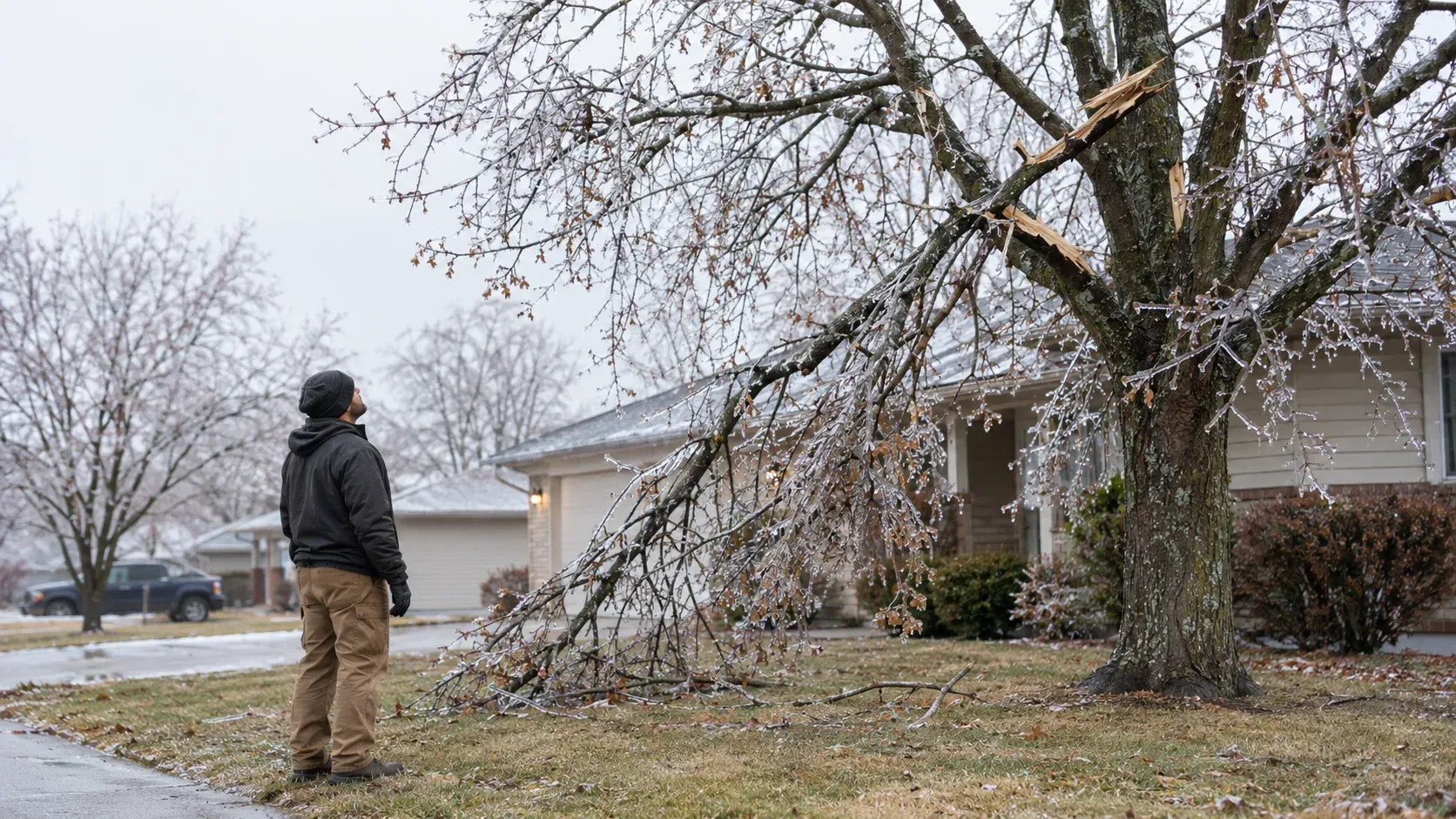
- Emergency storm damage response
- Utility line clearance under strict guidelines
- Removal of hazardous or dying tree sections
Even in these cases, professionals typically aim to use alternative methods that preserve as much of the tree's natural structure as possible.
Safer Alternatives to Tree Topping
Instead of topping trees, property owners can consider more appropriate tree care techniques.
Crown Reduction
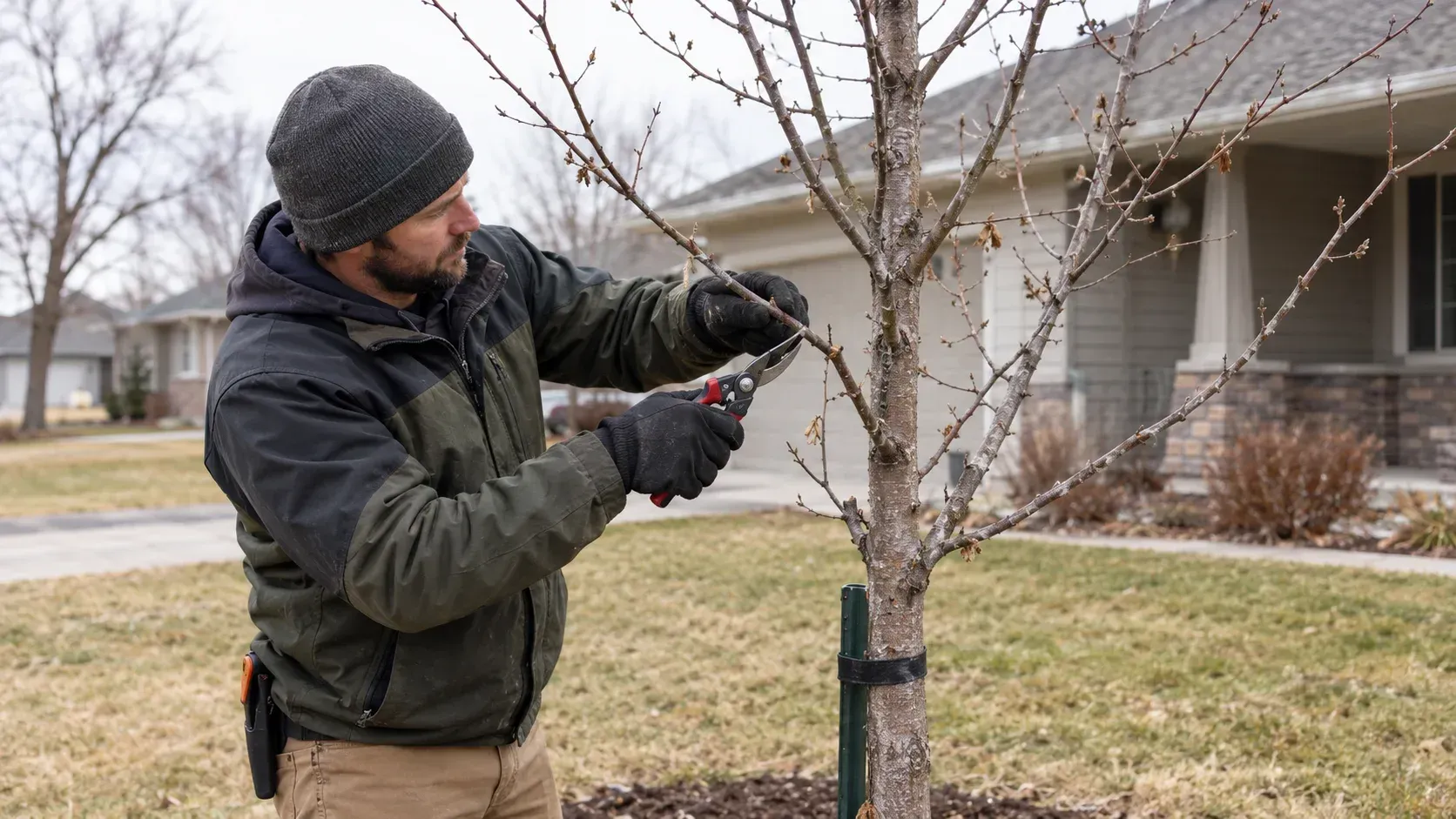
This method reduces the size of a tree while maintaining its natural shape. Cuts are made selectively to appropriate lateral branches.
Crown Thinning
Selective removal of smaller branches improves airflow and light penetration without significantly altering the tree's structure.
Directional Pruning
Branches are pruned to guide growth away from structures, power lines, or other obstacles.
Tree Removal (When Necessary)
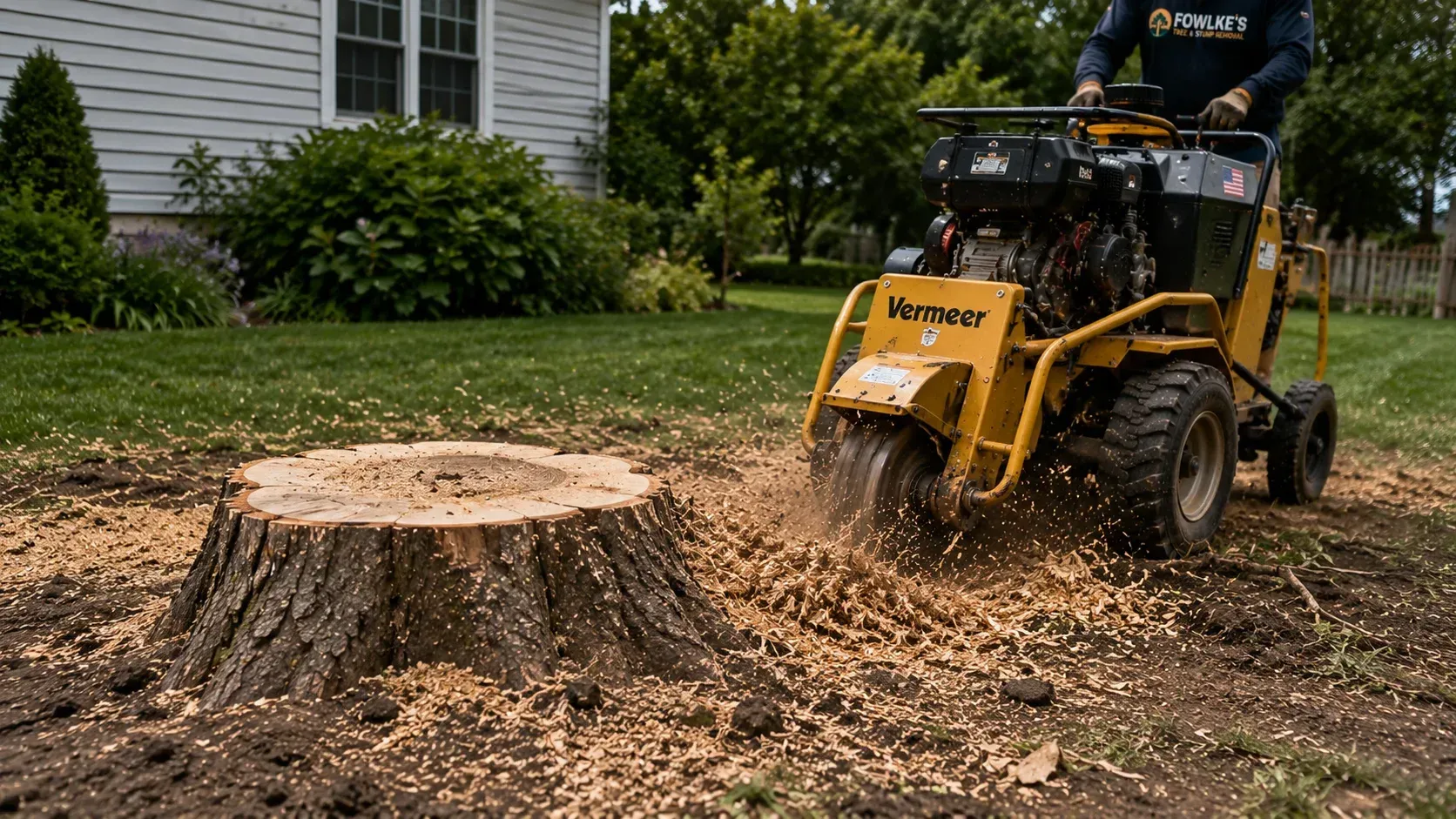
In some cases, removing a tree may be a more appropriate option than topping, particularly if the tree poses a safety concern or is no longer viable.
Each of these approaches focuses on preserving tree health while addressing practical concerns.
Conclusion
Tree topping involves removing large portions of a tree's canopy, and it presents several risks related to health, safety, and long-term growth. These risks include weakened structure, increased susceptibility to disease, and ongoing maintenance challenges.
For property owners in Cedar Falls, understanding the effects of topping trees can support more informed decisions about tree care. By choosing safer alternatives, it is possible to maintain both the health of trees and the safety of surrounding spaces.
Book a Tree Care Service
If you are considering tree maintenance or have questions about tree topping, seeking accurate information can help guide your decision.
Fowlkes Tree And Stump Removal provides tree care services in Cedar Falls, IA, with a focus on safe and informed practices. Send us an email at fowlkestreeandstumpremoval@gmail.com or call us at (319) 327-1199 to learn more about our tree services.
Frequently Asked Questions
What happens to a tree after topping?
After topping, a tree often produces rapid regrowth with weak branch attachments. This can affect both stability and long-term health.
Is tree topping ever recommended?
Tree topping is generally not recommended. In limited situations, severe pruning may be necessary, but alternative methods are usually preferred.
Does topping a tree stop it from growing?
No. Topping often triggers faster, uncontrolled growth rather than stopping it.
Can a topped tree recover?
Some trees may survive topping, but recovery varies. Many experience long-term stress and structural issues.
What is a better alternative to topping trees?
Techniques like crown reduction, thinning, and directional pruning are commonly used to manage tree size while maintaining health.
Related Posts