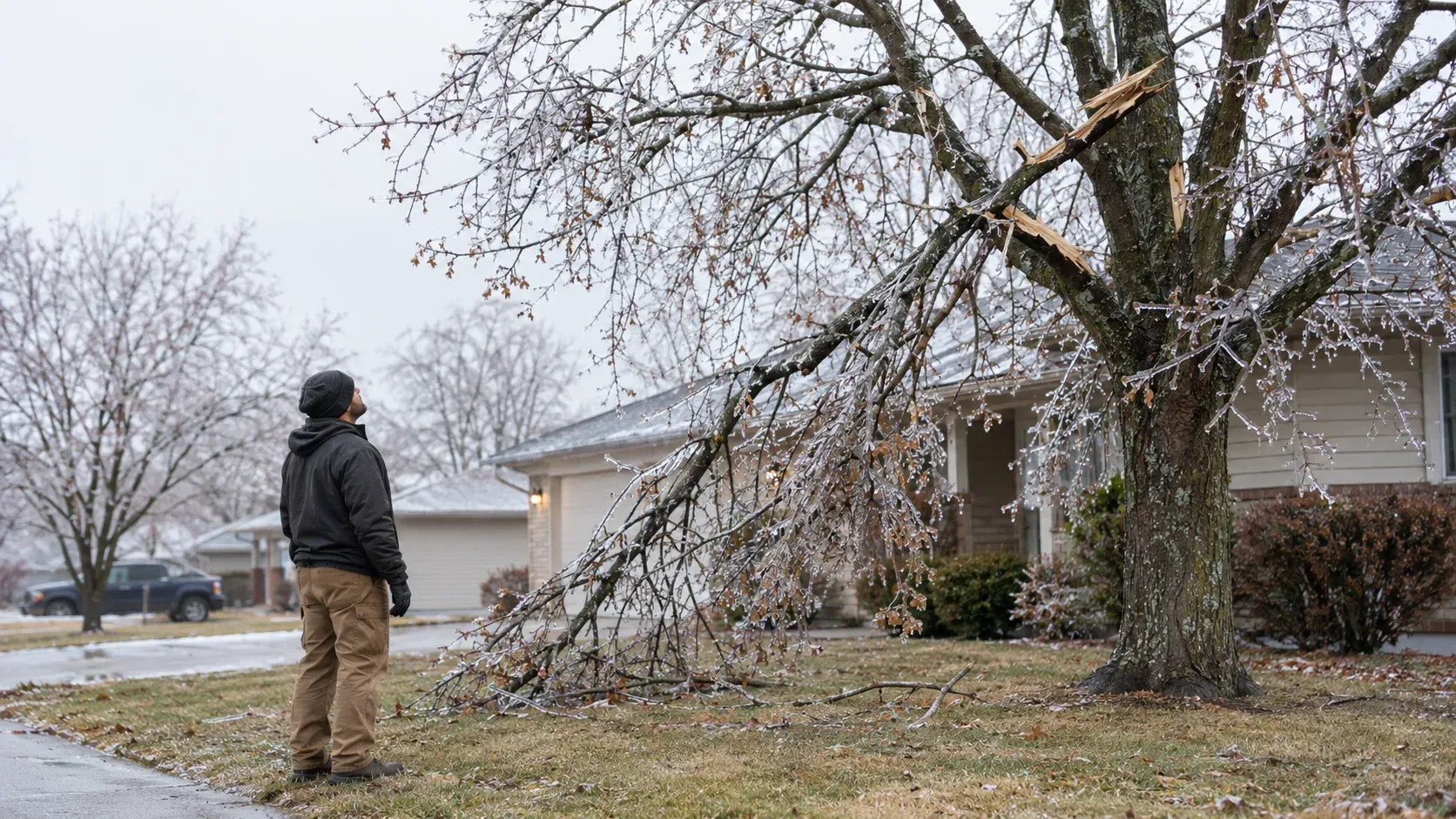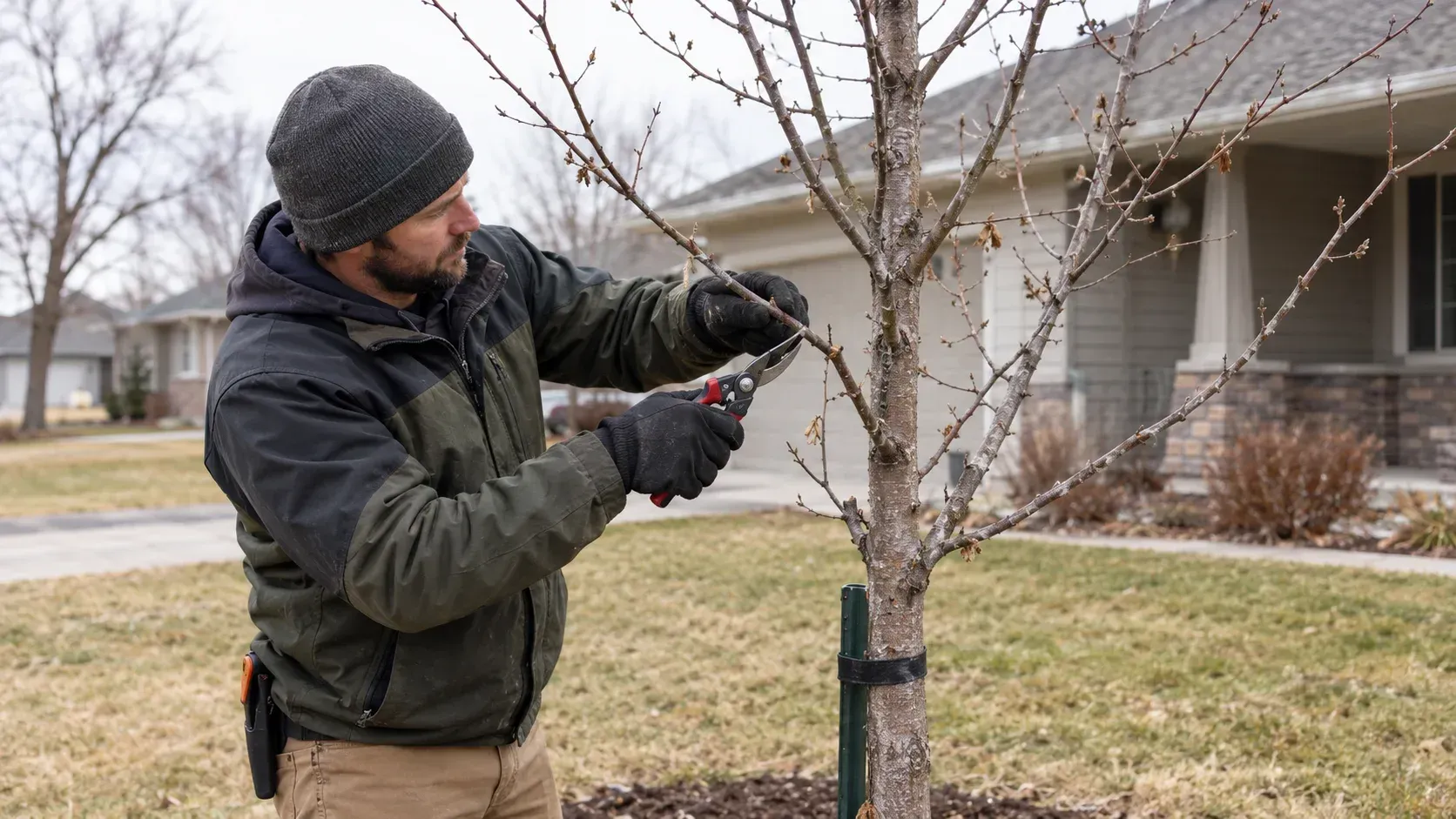
The Hidden Cost of Leaving Stumps in Your Cedar Falls Yard
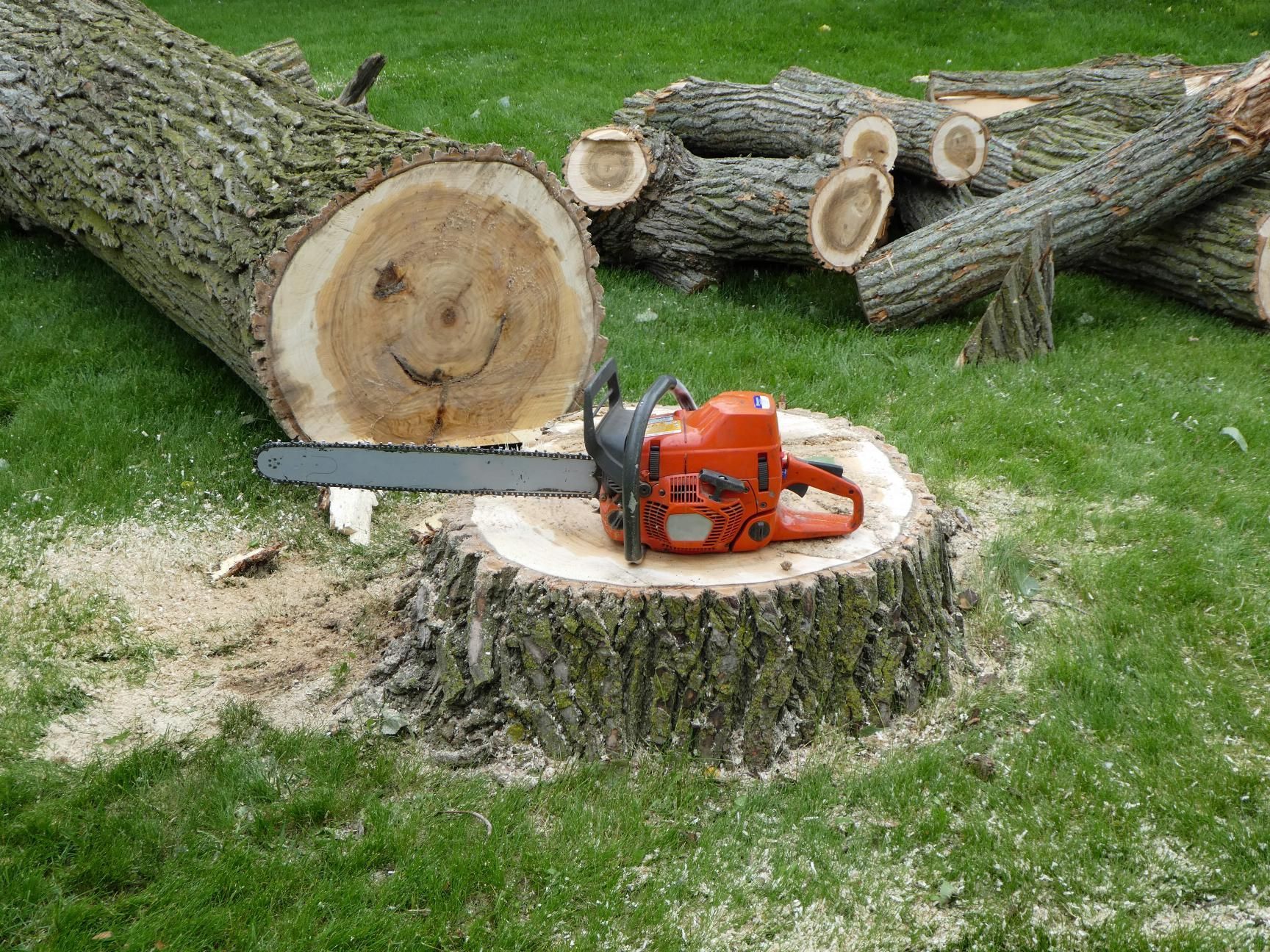
Table of Contents
- That Stump Isn't Just Sitting There
- What Happens to a Stump After a Tree Is Removed
- The Pest Problem Nobody Talks About
- Stump Grinding vs. Full Stump Removal
- How Stumps Affect Property Value
- The Right Time to Remove a Tree Stump in Iowa
- Stump Sprouts and Regrowth Problems
- What to Expect From Professional Stump Grinding
- Conclusion
- Book a Stump Grinding Service Today
- Frequently Asked Questions
Key Takeaways
- Leaving a stump behind can lead to pests, disease spread, and landscaping challenges.
- Understanding stump removal cost helps homeowners plan yard maintenance and prevent future expenses.
- Stump grinding is often the most practical way to remove tree stump hazards while preserving the surrounding landscape.
- Stumps can attract insects like termites and carpenter ants that may eventually impact nearby structures.
- Removing a stump improves safety, curb appeal, and the usable space in your yard.
That Stump Isn't Just Sitting There
Most homeowners assume that once a tree has been cut down, the problem is finished. The trunk is gone, the branches are removed, and the remaining stump simply sits there waiting to naturally decay.
In reality, leaving a stump behind often leads to additional problems. Many property owners eventually discover that the stump removal cost of delaying the process becomes higher than addressing it early.
A leftover stump may continue interacting with the surrounding soil ecosystem. Roots can still compete with nearby plants, fungi may develop in the wood, and insects may begin to colonize the decaying material. For homeowners looking to maintain a healthy yard, choosing to remove tree stump remnants is often a practical step toward preventing these issues.
Awareness of these potential concerns is one reason services like stump grinding have become increasingly common among homeowners managing their outdoor spaces.
What Happens to a Stump After a Tree Is Removed?
Once a tree is cut down, the stump begins a gradual decomposition process. However, this process can take a long time depending on the species of tree and soil conditions.
Some stumps may remain intact for 10 to 20 years before fully decomposing. During this time, several changes may occur beneath the surface.
Years 1–2
The stump may appear stable. The root system may still remain active underground and may continue drawing nutrients from the soil.
Years 2–5
Moisture begins penetrating the wood. Fungi may start breaking down the material, and insects may find the decaying stump attractive as a habitat.
Years 5–10
The wood softens and root structures begin weakening. Soil around the roots may shift as decomposition continues.
Year 10 and beyond
Eventually the stump collapses, leaving uneven ground where it once stood.
For homeowners who prefer a cleaner and more predictable landscape, many choose
stump grinding to remove the stump before this lengthy decay process creates other challenges.
The Pest Problem Nobody Talks About
Decaying wood provides an attractive environment for certain insects. Termites, carpenter ants, and wood-boring beetles may be drawn to damp wood as a potential nesting site.
When a stump sits close to a house, shed, deck, or fence, insects may eventually move beyond the stump in search of additional wood sources.
While not every stump will attract pests, removing a stump reduces the available habitat for insects that rely on decaying wood. This is one of the reasons homeowners often choose to remove tree stump material soon after tree removal. Addressing the issue early may also help avoid situations where the eventual stump removal cost increases due to decay, spreading roots, or limited access to the area.
Stump Grinding vs. Full Stump Removal
Homeowners often ask whether stump grinding or full removal is the better option. Both methods address the issue but serve different purposes.
Stump Grinding
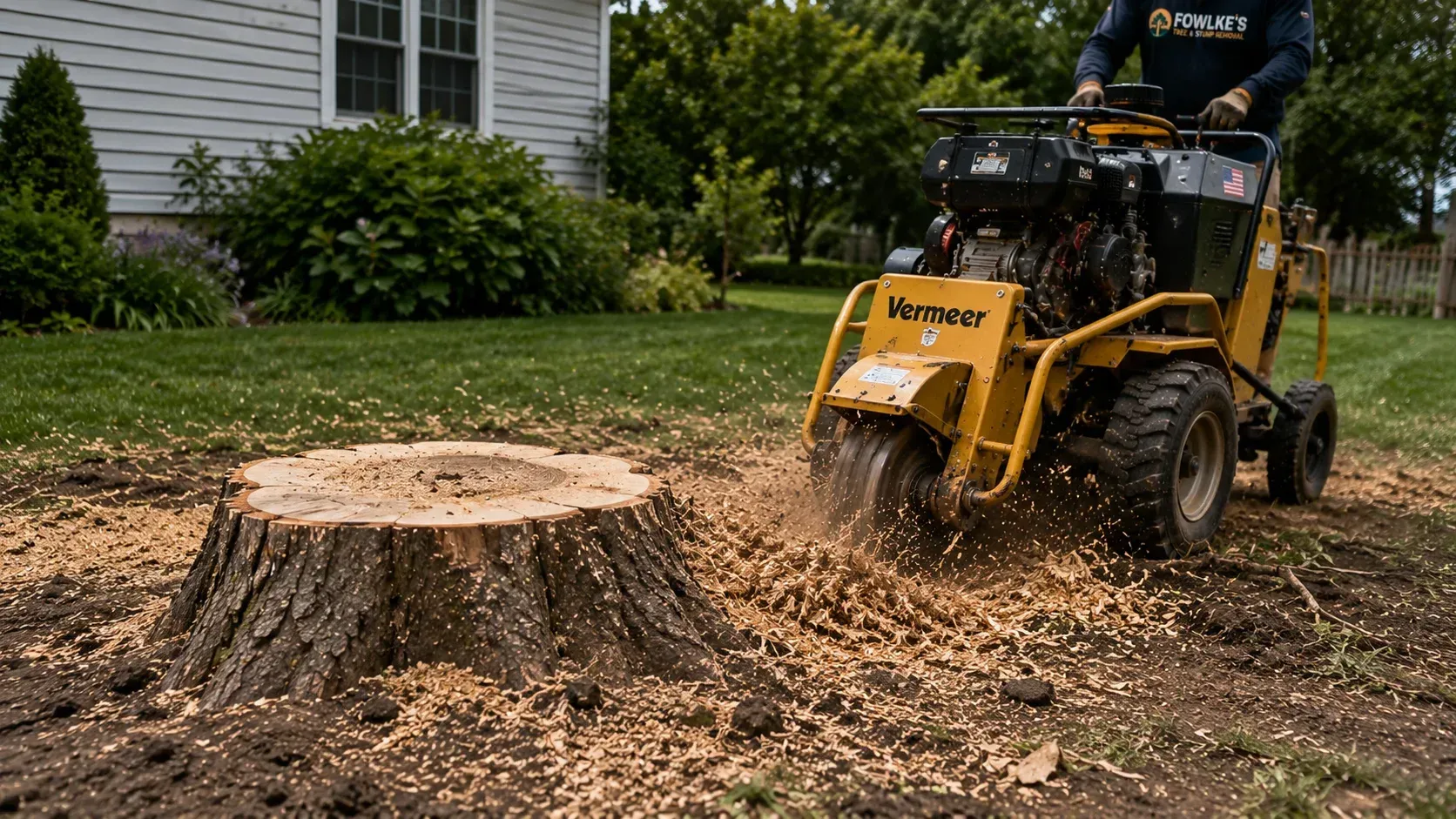
Stump grinding uses specialized equipment with a rotating cutting wheel to grind the stump down below ground level. The result is a pile of wood chips and a level surface that can be covered with soil or grass seed.
Advantages include:
- Faster process
- Less disruption to the surrounding yard
- Lower overall stump removal cost in many cases
- Suitable for most residential properties
Full Stump Removal
Full removal extracts the entire stump and root ball from the ground.
This approach may be preferred when:
- A structure will be built in the same location
- The entire root system must be cleared
- Deep landscaping or excavation is planned
For many homeowners, stump grinding provides a practical balance between efficiency and affordability.
How Stumps Affect Property Value
While a stump may seem minor, it can influence how a property is perceived.
Visible stumps may:
- Create tripping hazards
- Limit usable lawn space
- Complicate landscaping plans
- Affect overall curb appeal
During property inspections, inspectors often note landscape hazards or obstacles. Removing a stump beforehand can help present a cleaner and more maintained yard. Many homeowners find that the stump removal cost is relatively small compared with the long-term benefits of improved landscaping and safer outdoor spaces.
The Right Time to Remove a Tree Stump in Iowa
One advantage of modern stump grinding equipment is that it can be performed in most seasons.
However, some times of year may offer added convenience.
Late winter or early spring
Removing stumps before landscaping begins allows homeowners to prepare their yards for planting and lawn care.
Fall
After the growing season, many homeowners choose to remove tree stump remnants that have produced new sprouts.
After storms
If a tree has been removed due to storm damage, scheduling stump grinding at the same time may simplify the cleanup process.
Before landscaping or construction
Clearing stumps ahead of projects prevents unexpected root obstacles.
Stump Sprouts and Regrowth Problems
Certain tree species can continue producing new shoots even after the tree has been cut down. Cottonwood, maple, elm, and similar species sometimes generate sprouts directly from the stump.
These sprouts may grow rapidly and eventually develop into multiple small trunks.
Grinding the stump below the growth nodes helps stop this regrowth cycle. For homeowners dealing with repeated sprouts, stump grinding can provide a more permanent solution.
What to Expect From Professional Stump Grinding
Professional stump grinding typically involves a few straightforward steps.
Assessment
Technicians evaluate the size of the stump, nearby structures, and underground utility considerations.
Grinding process
A commercial grinder reduces the stump to wood chips, usually several inches below the soil surface.
Cleanup
The area is leveled and wood chips may either be removed or reused as mulch.
Once completed, the space can often be filled with soil and reseeded. This allows homeowners to restore their lawn and eliminate the obstacle left behind by the stump.
Conclusion
A tree stump may appear harmless, but it can gradually affect landscaping, attract pests, and limit how your yard is used. Understanding the factors that influence stump removal cost helps homeowners make informed decisions about maintaining their outdoor spaces.
Whether you plan to improve curb appeal, reduce potential pest habitats, or simply reclaim usable yard space, choosing to remove tree stump remnants is often a practical step.
With modern equipment, stump grinding can quickly eliminate the obstacle and leave your yard ready for landscaping, lawn care, or future projects.
Book a Stump Grinding Service Today
If you have an old stump taking up space in your yard, addressing it sooner rather than later can simplify lawn maintenance and landscaping plans.
Book a stump grinding service today to safely remove tree stump obstacles and restore a smooth, usable yard.
Send us an email at fowlkestreeandstumpremoval@gmail.com or call us at 319-327-1199 to learn more about our stump grinding and tree care services.
Frequently Asked Questions
How much does stump removal cost?
The stump removal cost depends on factors such as stump diameter, location, and accessibility. Larger stumps or those located near structures may require additional time or equipment.
Will stump grinding kill the roots?
Stump grinding removes the visible stump and growth nodes. The remaining roots typically decompose naturally underground over time.
How long does stump grinding take?
Most residential stumps can be ground within 15 minutes to two hours, depending on size and wood density.
Can grass grow where a stump was removed?
Yes. After grinding, the area can be filled with soil and seeded to restore the lawn.
Is it necessary to remove every stump?
Not always, but many homeowners choose to remove tree stump remnants to prevent landscaping challenges, insect habitats, and safety hazards.
Related Posts