How Neglected Trees Can Interfere With Drainage and Water Flow
Table of Contents
- Introduction
- How Trees Affect Drainage
- Overgrown Roots and Underground Blockages
- Leaf Debris and Surface Obstructions
- Tree Canopy and Water Absorption
- Signs of Drainage Problems Caused by Trees
- Standing Water and Pooling
- Soil Erosion and Landscape Damage
- Foundation Concerns
- Tree Maintenance Practices to Support Proper Water Flow
- Regular Pruning and Canopy Management
- Root Management and Safe Excavation
- Yard Tree Planning and Placement
- When Tree Removal Becomes Necessary
- Conclusion
- Book Tree Removal
- Frequently Asked Questions
Key Takeaways
- Trees can affect drainage through roots, leaves, and water absorption patterns.
- Overgrown roots may block underground drainage systems, causing pooling water.
- Fallen leaves and debris can obstruct surface drains and gutters.
- Proper tree maintenance, pruning, and strategic yard tree placement support effective drainage.
- Tree removal may be considered when maintenance is insufficient to prevent property damage.
Introduction
Neglected trees can interfere with drainage and water flow in ways that may not be immediately visible. Roots can extend into underground pipes, leaves and branches can clog gutters, and dense canopies can alter how rainwater reaches the soil. For homeowners and property managers in Independence, IA, understanding how trees affecting drainage behave is essential to protecting landscaping, preventing erosion, and maintaining foundation integrity.
By examining these impacts, we can make informed decisions about yard trees care, proper placement, and, when necessary, tree removal. For professional guidance on tree maintenance,
contact us today.
How Trees Affect Drainage
Trees naturally interact with their environment in multiple ways. While they provide shade, habitat, and aesthetic value, they also influence how water moves across a property.
Overgrown Roots and Underground Blockages
Tree roots grow outward in search of water and nutrients. When left unmanaged, roots can infiltrate drainage pipes, septic systems, or underground utility lines. This can slow or block water flow, leading to water pooling in areas of the yard that were previously dry. Over time, these blockages may contribute to soil saturation, uneven surfaces, and localized flooding.
Some species are more aggressive in root growth, and understanding which yard trees are present is key to predicting drainage impacts. Regular inspection of both trees and underground systems can help identify potential conflicts before they become major problems. Learn more about safe tree removal techniques to prevent long-term issues.
Leaf Debris and Surface Obstructions
Above ground, leaves, twigs, and small branches can accumulate in gutters, drains, and low-lying areas. This organic matter can impede water flow during rain events, creating temporary or persistent pooling. In addition, decomposing leaves may contribute to sediment buildup, further reducing drainage capacity over time.
Routine cleaning and monitoring of tree litter, especially from larger or deciduous yard trees, is an important aspect of maintaining proper yard drainage.
Tree Canopy and Water Absorption
Tree canopies intercept rainfall, altering the amount of water that reaches the soil. While some absorption is beneficial, dense or overgrown canopies can cause uneven water distribution. Certain species may absorb significant water, leaving nearby areas drier, while other areas may experience increased runoff due to redirected rain. Understanding canopy coverage can guide pruning and landscaping practices that balance water flow across a property. For professional canopy management, explore our tree removal and pruning services.
Signs of Drainage Problems Caused by Trees
Standing Water and Pooling
One of the most obvious indicators is persistent water accumulation near trees or in low areas of the yard. Standing water may not only affect grass and plants but can also attract pests and contribute to soil degradation.
Soil Erosion and Landscape Damage
Improper drainage caused by tree interference can accelerate soil erosion. This is often visible as exposed roots, washouts along slopes, or uneven ground around yard trees. Over time, erosion may destabilize other plants and landscaping features.
Foundation Concerns
Trees close to buildings may influence drainage patterns near foundations. Water pooling around a foundation can lead to gradual soil movement, potentially affecting structural stability. While tree roots alone are rarely the sole cause of foundation damage, their impact on drainage is a contributing factor that warrants attention. For trees posing risk to structures, consider consulting with professionals on safe tree removal.
Tree Maintenance Practices to Support Proper Water Flow
Regular Pruning and Canopy Management
Pruning helps maintain an even canopy, reduces excessive leaf litter, and ensures water reaches the soil uniformly. Removing dead or overcrowded branches can also prevent debris from entering gutters or drains during storms.
Root Management and Safe Excavation
Monitoring root growth near underground drainage systems is key. Techniques such as root barriers or selective root pruning (performed by professionals) can help prevent blockages without compromising tree health.
Yard Tree Planning and Placement
For new plantings, considering the location of
yard trees relative to drainage patterns is essential. Selecting species with less aggressive roots and planning sufficient distance from pipes, foundations, and low-lying areas can prevent future water flow issues.
When Tree Removal Becomes Necessary
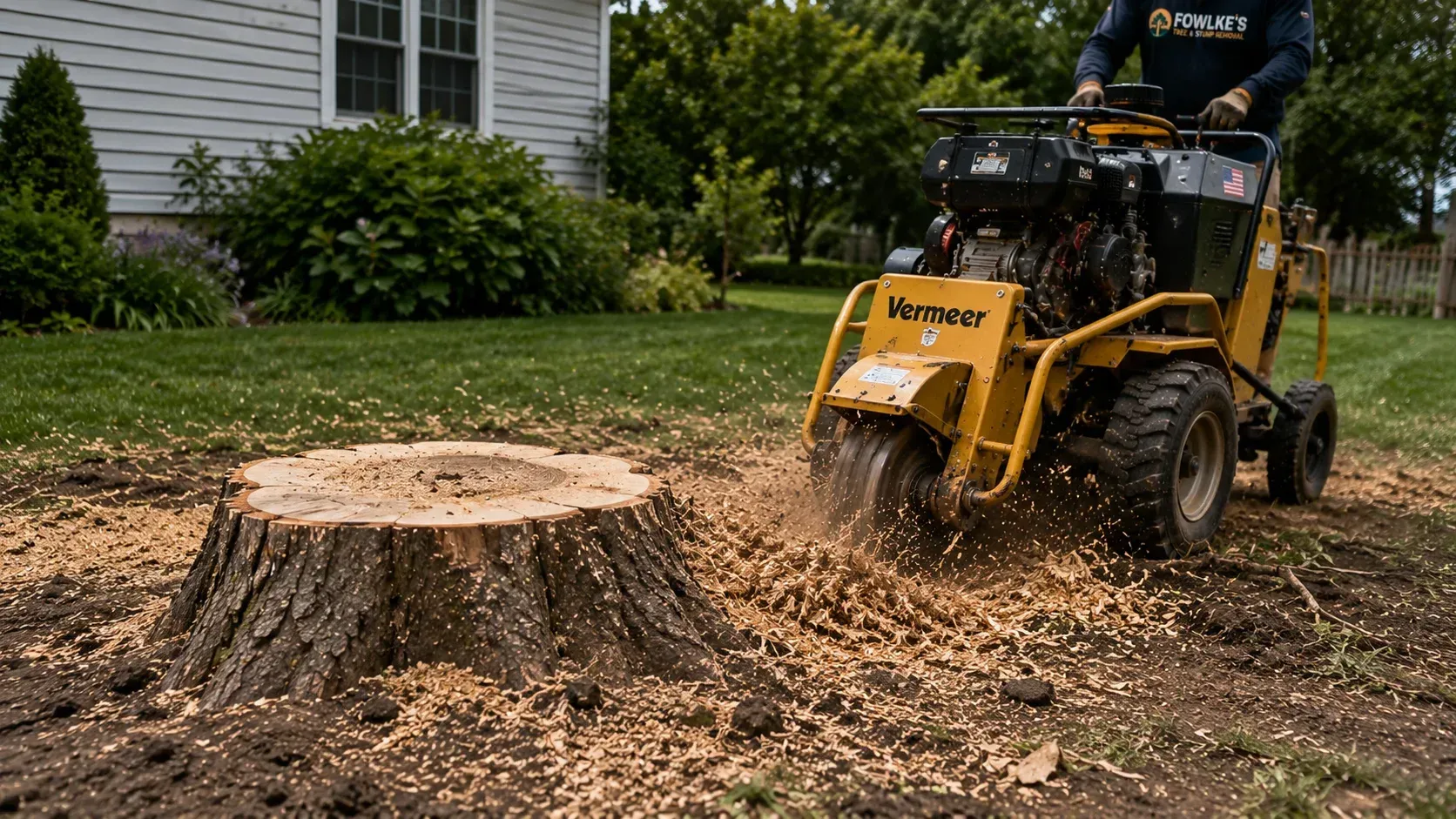
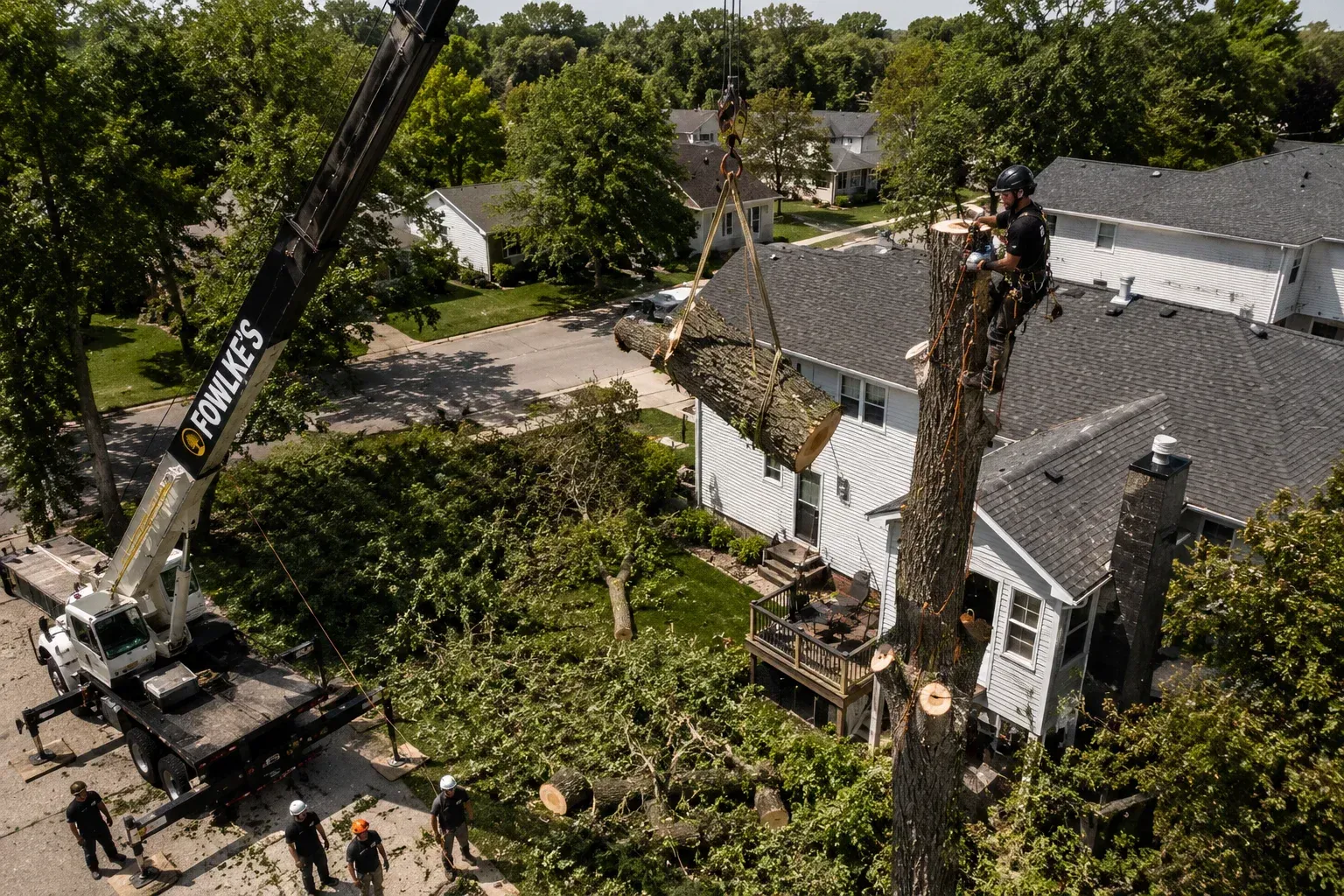
In some situations, maintenance alone may not address drainage concerns. For example, older trees with extensive roots or repeated damage to underground systems may require tree removal. Tree removal should be approached carefully, with attention to safety, environmental impact, and property health.
Consulting with experienced arborists can help determine whether removal or alternative management practices are most appropriate.
Conclusion
Neglected trees can significantly influence drainage and water flow, affecting soil, landscaping, and property stability. By understanding the ways trees affect drainage, monitoring yard conditions, and implementing proactive maintenance strategies, we can protect our properties and make informed, responsible decisions.
Proper pruning, root management, and strategic placement of yard trees support healthy water movement, while tree removal may be necessary in certain scenarios to mitigate long-term risks.
Book Tree Removal
For properties in Independence, IA, addressing drainage challenges caused by trees may involve professional tree maintenance or removal. Contact Fowlkes Tree And Stump Removal for guidance on safe and responsible tree care.
Send us an email at fowlkestreeandstumpremoval@gmail.com or call (319) 327-1199 to schedule an assessment or learn more about our services.
Frequently Asked Questions
How do I know if a tree is affecting drainage on my property?
Signs include pooling water, soil erosion, unusual plant stress, and debris blocking drains or gutters near trees. Professional inspections can identify less visible root or underground issues.
Can all trees cause drainage problems?
Not all trees have the same impact. Species with aggressive roots or dense canopies are more likely to influence water flow. Location, soil type, and drainage systems also play a role.
What maintenance practices help prevent drainage problems?
Regular pruning, leaf cleanup, root monitoring, and careful yard planning are key practices that support proper water movement and prevent obstructions.
Is tree removal the only solution for drainage issues?
Tree removal is sometimes necessary, especially when roots or canopy coverage severely interfere with drainage. However, maintenance, root management, and strategic planting can often address problems without removal.
How far should trees be planted from drainage systems?
A general guideline is to plant trees at least 10–20 feet from underground pipes and low-lying drainage areas. Species selection and growth patterns should also be considered.
Can tree roots damage my foundation?
Roots alone rarely cause foundation collapse, but they can affect drainage and soil stability near foundations, which may contribute to gradual structural issues.
How often should trees be inspected for drainage issues?
Annual inspections are recommended, particularly for larger, mature trees or properties with complex drainage systems. Early detection helps prevent more serious problems.
Related Posts