Is a Tree With Exposed Roots a Problem for Your Landscape?
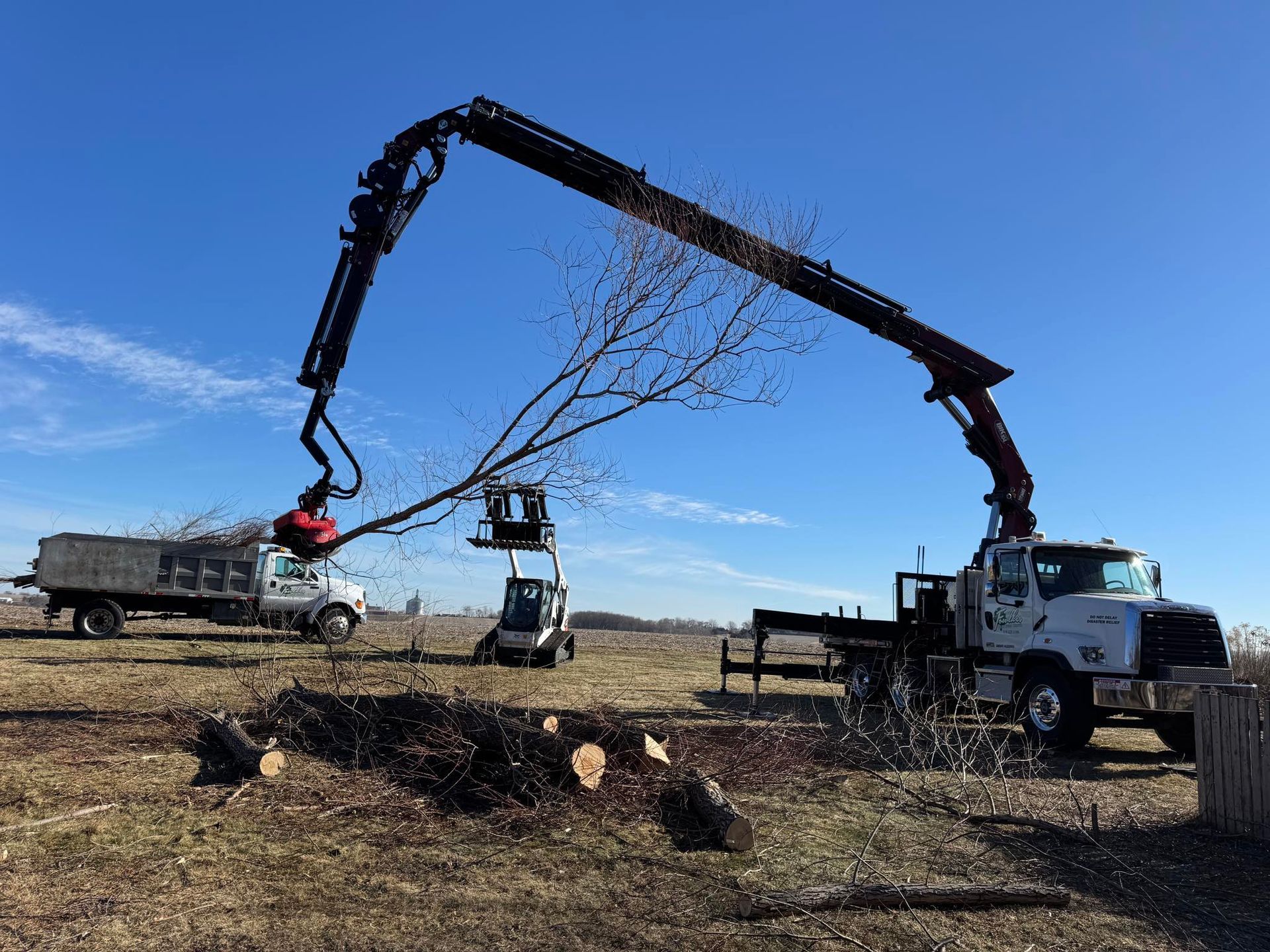
Table of Contents
- Introduction
- What Does It Mean When a Tree Has Exposed Roots?
- Common Causes of Above Ground Tree Roots
- Are Exposed Roots a Structural Risk?
- How Exposed Roots Affect Lawn Health and Soil
- When Is Professional Evaluation Necessary?
- Repair, Mitigation, and Tree Removal Considerations
- Conclusion
- Book a Tree Removal Service
- Frequently Asked Questions
Key Takeaways
- A tree with exposed roots is not always a problem, but it can indicate underlying soil or stability issues.
- Above ground tree roots often result from erosion, compaction, or naturally shallow root systems.
- Exposed roots may affect tree stability, lawn growth, and nearby structures over time.
- Professional evaluation helps determine whether monitoring, mitigation, or removal is appropriate.
- Conditions in Cedar Falls, IA, including weather and soil type, can influence root exposure.
Introduction
A tree with exposed roots can be a problem for your landscape depending on the cause, extent, and impact on stability and surrounding structures. For homeowners and property managers in Cedar Falls, IA, visible roots often raise questions about safety, lawn damage, and long-term tree health.
We regularly evaluate trees with surface-level root systems, and in many cases, exposed roots are a natural adaptation rather than an immediate hazard. However, they can also signal soil movement, compaction, or stress that may affect the tree’s stability over time. Understanding the difference helps you make informed decisions about maintenance, monitoring, or potential
tree removal.
What Does It Mean When a Tree Has Exposed Roots?
Tree roots are designed to anchor the tree and absorb water and nutrients from the soil. Most roots are located within the top 12–18 inches of soil. These structural and feeder roots spread outward well beyond the tree canopy.
When we see above ground tree roots, it usually means:
- Soil has eroded away from the base
- The tree naturally developed shallow roots
- Compacted soil limited deeper root growth
Not all exposed roots indicate decay or failure. In fact, many healthy trees develop surface roots because oxygen levels are higher near the soil surface. The key concern is whether the roots are still firmly embedded in stable soil.
Common Causes of Above Ground Tree Roots
Understanding why roots become visible helps determine whether action is necessary.
Soil Erosion
Heavy rainfall, poor drainage, or sloped landscapes can gradually wash soil away. Over time, roots that were once protected become exposed.
In Cedar Falls, IA, seasonal storms and freeze-thaw cycles can contribute to soil movement. When erosion is the cause, additional root exposure may continue unless the soil is stabilised.
Soil Compaction
Compacted soil limits oxygen and water penetration. Trees growing in compacted ground may develop roots closer to the surface where conditions are more favourable. Compaction often occurs in:
- High-traffic lawn areas
- Construction zones
- Areas with heavy equipment use
Shallow Root Growth by Species
Some tree species naturally form shallow, spreading root systems. In these cases, exposed roots may be typical rather than problematic.
However, even naturally shallow roots can create surface issues in lawns and near hardscaping.
Improper Planting Depth
If a tree was planted too shallowly, the root flare may sit above grade. Over time, this can make structural roots more visible.
Proper planting depth plays an important role in long-term root development and stability.
Are Exposed Roots a Structural Risk?
The presence of above ground tree roots does not automatically mean a tree is unstable. We evaluate structural risk by examining several factors.
Signs That May Indicate Concern
- Soil lifting or cracking on one side of the tree
- Leaning that appears recent or progressive
- Visible root damage or decay
- Hollow sounds at the base of the trunk
When roots lose sufficient soil contact, anchoring strength may decrease. This is particularly important near homes, power lines, sidewalks, or neighbouring properties.
For safety-focused homeowners, visible root exposure combined with leaning can understandably raise concern. A professional inspection helps determine whether the tree remains secure or if removal should be considered.
How Exposed Roots Affect Lawn Health and Soil
Even when structural risk is low, a tree with exposed roots can impact your landscape in other ways.
Lawn Maintenance Challenges
Roots that grow near the surface can:
- Interfere with mowing
- Create uneven ground
- Increase trip hazards
Covering exposed roots with excess soil is not recommended, as this can suffocate roots and alter moisture balance.
Competition for Nutrients
Roots in the ground compete with turfgrass for water and nutrients. Surface roots often make it harder for grass to establish evenly, especially during dry periods.
Impact on Hardscaping
In some cases, expanding roots may:
- Lift sidewalks
- Displace pavers
- Affect driveway edges
Not every root causes structural damage, but visible changes in pavement or foundations should be evaluated carefully.
When Is Professional Evaluation Necessary?
We recommend professional assessment when exposed roots are accompanied by:
- Noticeable leaning
- Cracked or upheaved soil
- Recent storm damage
- Construction disturbance nearby
- Proximity to structures or power lines
An evaluation typically includes:
- Visual inspection of root flare and soil condition
- Assessment of trunk integrity
- Review of site drainage and grading
- Consideration of species-specific growth habits
The goal is not automatic removal. Instead, we determine whether the tree can remain safely with monitoring or if risks outweigh the benefits.
Repair, Mitigation, and Tree Removal Considerations
Depending on the situation, several approaches may be appropriate.
Soil Stabilisation
If erosion is the primary issue, improving drainage or regrading may reduce further exposure. Mulching around the base can help protect roots without burying them deeply.
Root Protection
Limiting foot traffic and equipment use around the root zone supports long-term stability. Avoid cutting major structural roots unless advised by a professional.
Monitoring
Some exposed roots require observation rather than intervention. Regular inspection helps detect changes early.
Tree Removal
If structural anchoring is compromised or the tree presents ongoing risk to people or property, removal may be the safest option.
When removal is necessary, we focus on:
- Controlled dismantling techniques
- Protection of surrounding structures
- Responsible debris handling
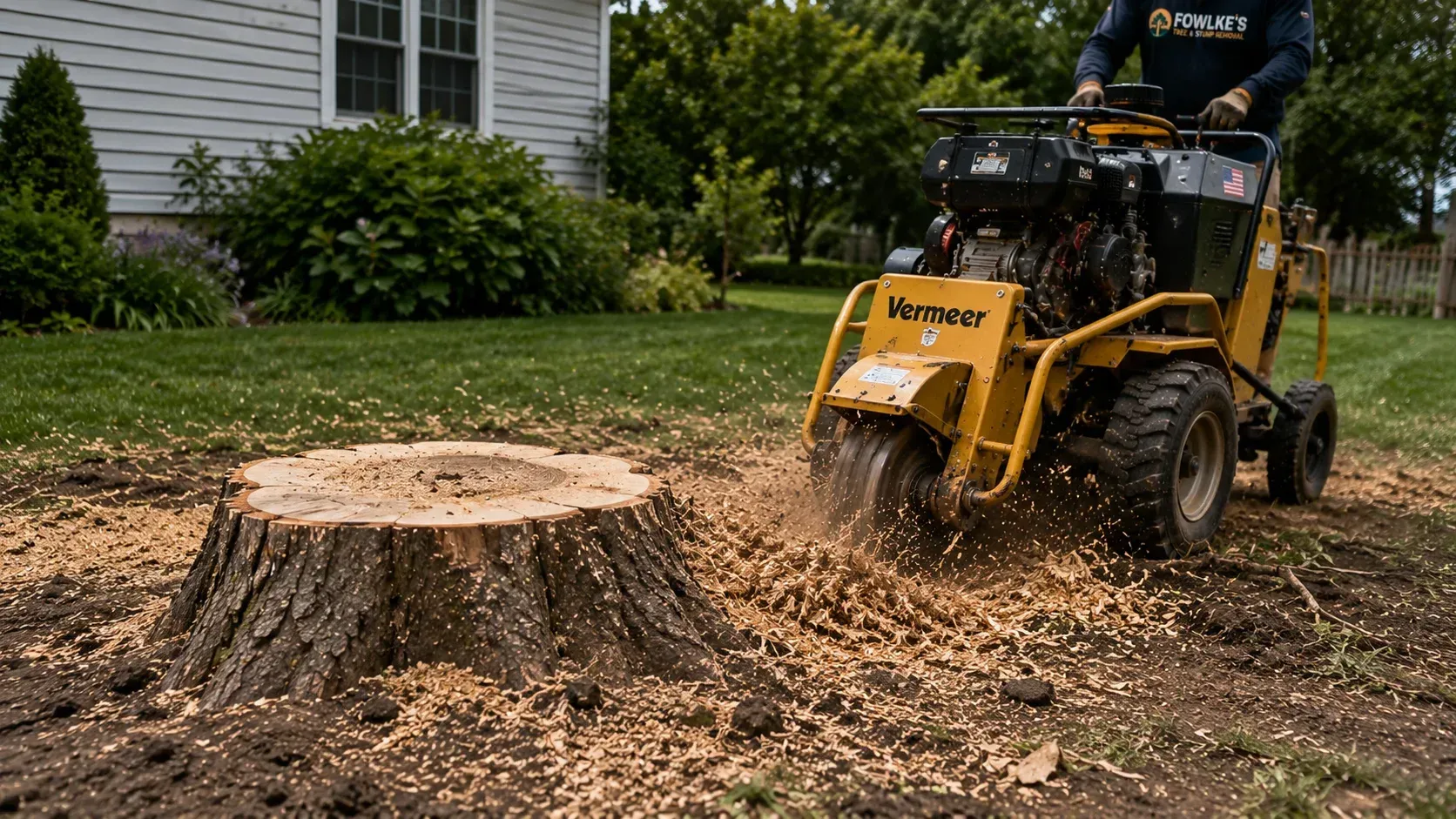
- Stump grinding if requested
Tree removal decisions should be based on risk assessment rather than appearance alone.
Conclusion
A tree with exposed roots is not always a problem, but it can indicate underlying soil conditions or structural concerns. Causes such as erosion, compaction, shallow root growth, or improper planting depth all influence whether action is needed.
In Cedar Falls, IA, weather patterns and soil movement can contribute to visible root systems. Careful evaluation helps determine whether monitoring, mitigation, or removal is appropriate.
By understanding how roots in the ground function and why above ground tree roots develop, homeowners can make informed, safety-focused decisions about their landscape.
Book a Tree Removal Service
If you are concerned about a tree with exposed roots near your home or property, we can provide a clear, professional evaluation.
At Fowlkes Tree And Stump Removal, we assess structural stability, site conditions, and surrounding risk factors so you can better understand your options. If removal is determined to be appropriate, we carry out the work using professional equipment and careful procedures, with cleanup included.
You can reach us at (319) 327-1199 or submit a request through our email at fowlkestreeandstumpremoval@gmail.com. Our goal is to provide straightforward guidance so you can make decisions with confidence.
Frequently Asked Questions
Are exposed tree roots always a sign of tree failure?
No. Many healthy trees develop surface roots naturally. Structural concern depends on soil stability, root integrity, and surrounding conditions.
Can I cover exposed roots with soil to fix the problem?
Adding a small amount of mulch may help protect roots, but covering them with thick layers of soil can reduce oxygen access and negatively affect tree health.
Do above ground tree roots mean the tree will fall in a storm?
Not necessarily. Storm risk depends on overall root anchoring, trunk condition, canopy weight, and soil saturation. A professional assessment provides a clearer picture.
Will cutting exposed roots improve safety?
Cutting structural roots can reduce stability and should not be done without professional evaluation. Improper root removal may increase risk rather than reduce it.
When should I consider tree removal?
Removal may be appropriate if roots are severely compromised, the tree is leaning progressively, or there is a credible risk to structures or people. A site-specific evaluation is the best way to determine next steps.
Related Posts