What to Do When Trees Hit by Lightning Damage Your Property
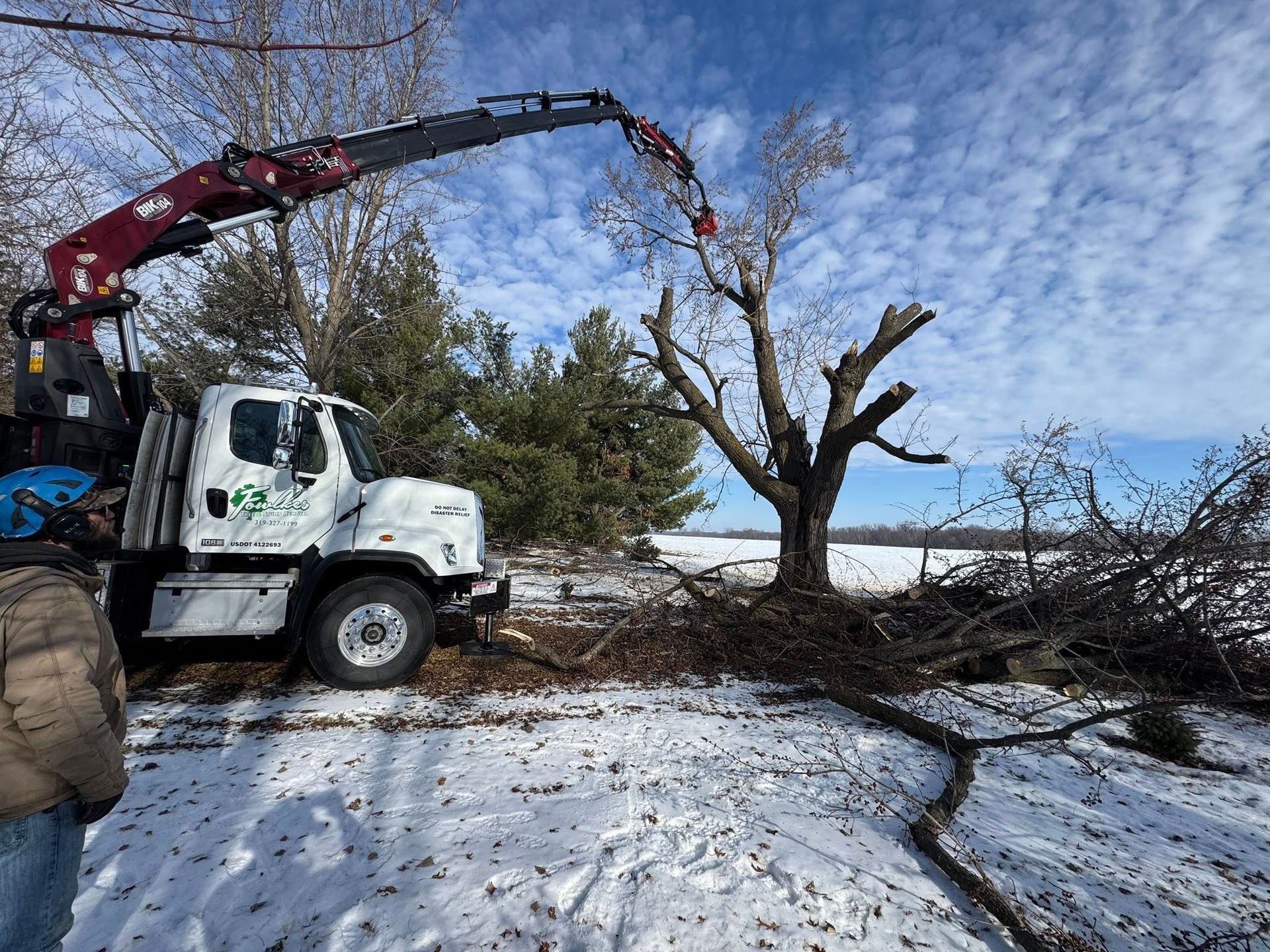
Table of Contents
- Introduction
- Why Does Lightning Strike Trees?
- What Happens During a Lightning Strike to Tree Structures
- Immediate Steps to Take After Lightning Damage
- How to Assess Structural Risk and Property Impact
- When Tree Removal May Be Necessary
- Safety, Insurance, and Liability Considerations
- Long-Term Prevention and Monitoring
- Conclusion
- Book a Tree Removal Service
- Frequently Asked Questions
Key Takeaways
- Trees hit by lightning can suffer hidden structural damage that increases safety risks.
- A lightning strike to tree trunks or roots may not show immediate external collapse.
- Property owners should prioritise safety, avoid DIY removal, and seek professional assessment.
- In some cases, tree removal is the safest course of action to reduce long-term risk.
- Monitoring surrounding trees is important after severe storms in Cedar Falls, IA.
Introduction
When trees hit by lightning damage your property, we recommend prioritising safety, assessing structural risk, and arranging a professional evaluation before taking further action. Lightning strikes can cause immediate and delayed hazards, especially in residential areas with mature trees near homes, driveways, and power lines.
In Cedar Falls, IA, seasonal storms increase the likelihood of lightning-related tree damage. For homeowners in tree-lined neighbourhoods, understanding what happens during a lightning strike to tree structures helps reduce safety risks and property complications. Our goal is to explain the process clearly so property owners can make informed decisions grounded in safety and practicality.
Why Does Lightning Strike Trees?
To understand what to do next, we first need to understand why lightning strikes trees.
Height and Conductivity
Lightning seeks the path of least resistance between the sky and the ground. Trees are often among the tallest objects in residential areas. Their height makes them common targets.
Trees also contain moisture and sap, which conduct electricity. This increases the likelihood that lightning will travel through the trunk toward the root system.
Location and Surroundings
Trees located:
- Near open fields
- Along property edges
- Close to water
- Beside structures or power lines may be more exposed during storms.
While it is impossible to predict exactly why does lightning strike trees in specific instances, height and moisture content are primary factors.
What Happens During a Lightning Strike to Tree Structures
A lightning strike to tree tissue releases intense heat in a fraction of a second. This heat can exceed tens of thousands of degrees Fahrenheit.
Internal Steam Expansion
When lightning enters a tree:
- Moisture rapidly turns to steam
- Internal pressure builds
- Bark may explode outward
This can send debris several feet away from the trunk.
Visible and Hidden Damage
Some trees show obvious signs:
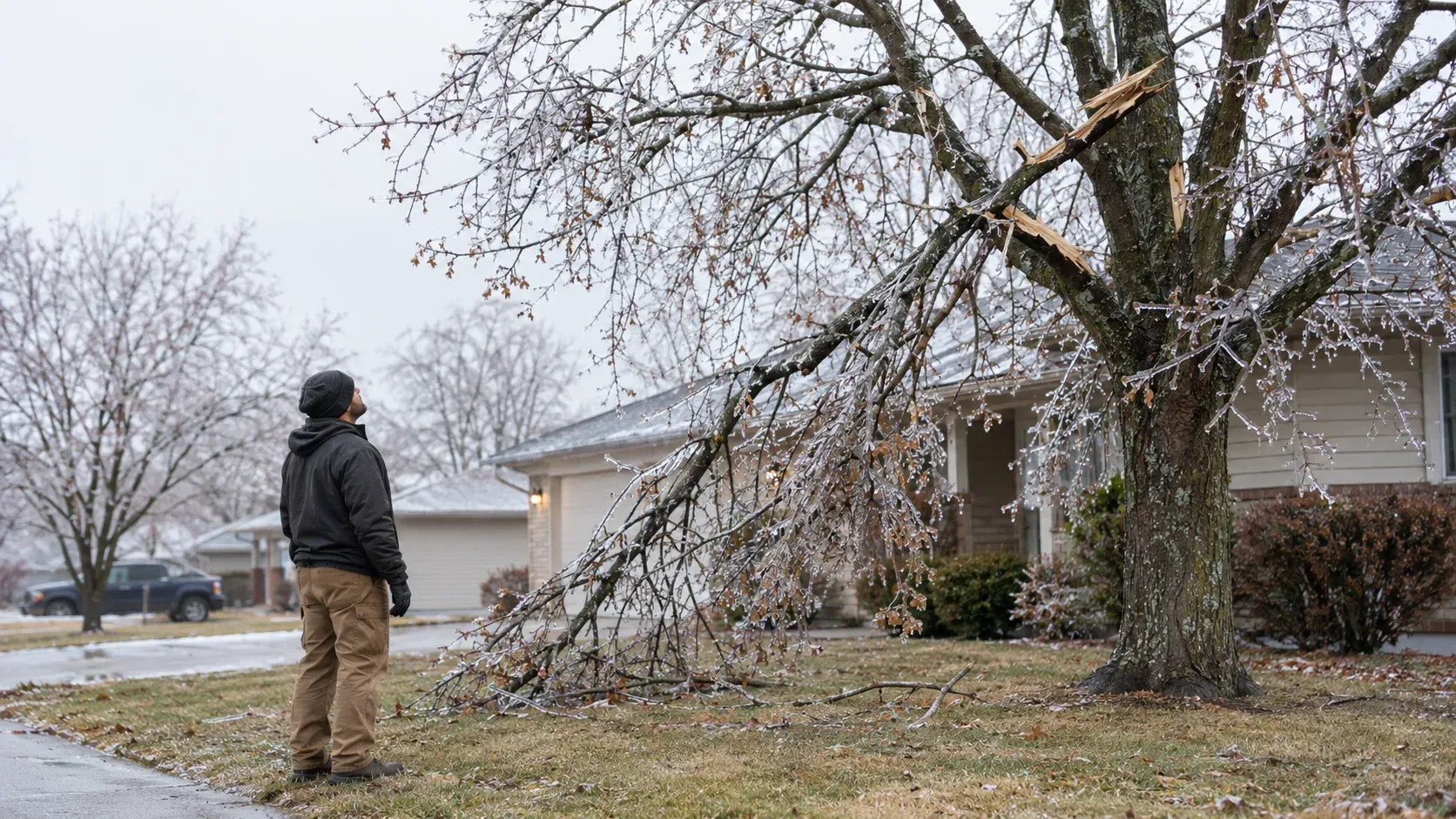
- Split trunks
- Long vertical cracks
- Bark blown off
- Scattered wood fragments
However, internal damage may not be visible immediately. Structural weakening inside the trunk or root system can create delayed failure weeks or months later.
For homeowners, this hidden instability is often the most significant concern.
Immediate Steps to Take After Lightning Damage
If you suspect trees hit by lightning on your property, we recommend taking the following precautions.
Prioritise Personal Safety
Do not approach the tree immediately during active storms. Wait until conditions are stable. Avoid:
- Standing under the damaged tree
- Touching exposed bark or hanging limbs
- Allowing children near the area
Check for Secondary Hazards
Look for:
- Fallen branches on roofs
- Damage to fences
- Contact with power lines
If a tree has made contact with utility lines, contact your utility provider before taking any action.
Document the Damage
Photographs can help with insurance claims. Capture:
- Full view of the tree
- Close-ups of splits or exposed wood
- Property damage areas
Documentation supports accurate reporting without assumptions.
How to Assess Structural Risk and Property Impact
After immediate safety concerns are addressed, the next step is risk assessment.
Signs the Tree May Be Structurally Compromised
We look for:
- Deep vertical cracks
- Large sections of missing bark
- Leaning that was not present before
- Uprooting or soil disturbance
- Large broken limbs high in the canopy
If the tree is near a house, driveway, or play area, even moderate instability may warrant professional evaluation.
Root System Damage
Lightning can travel into the ground, damaging roots below the surface. This may not be visible but can reduce anchoring strength.
Over time, weakened roots increase the likelihood of wind-related failure.
When Tree Removal May Be Necessary
Not all trees struck by lightning require removal. Some survive and recover, depending on severity.
However, removal may be considered when:
- More than 50% of the trunk circumference is damaged
- The tree is leaning toward structures
- Major limbs are structurally compromised
- Root systems are destabilised
- The tree is already diseased or declining
In residential areas like Cedar Falls, IA, proximity to homes, garages, sidewalks, and neighbouring properties plays a significant role in decision-making.
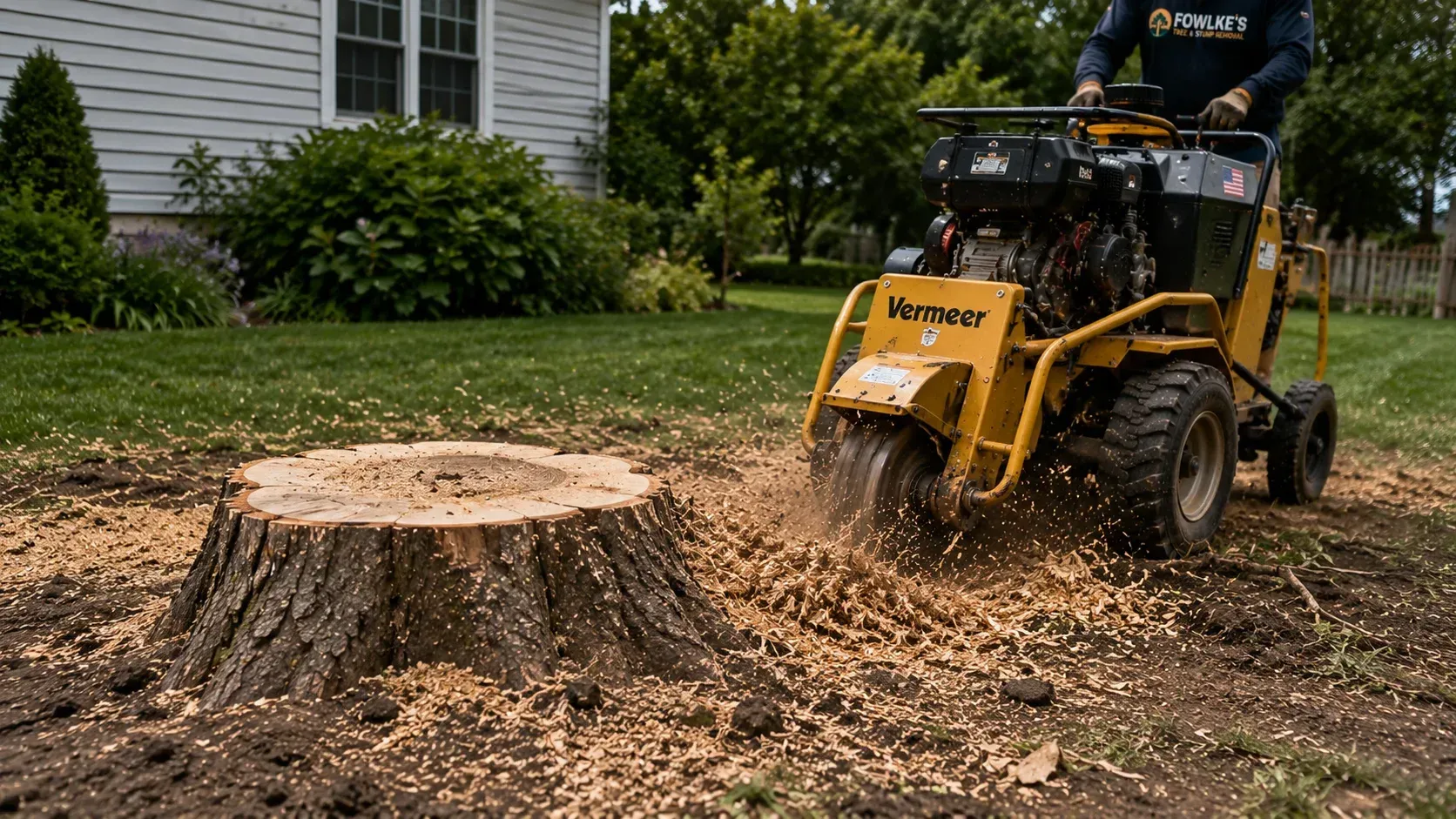
Professional tree removal focuses on controlled dismantling to reduce risk during the process. Because lightning-damaged trees can be unstable, specialised equipment and safety procedures are essential.
Safety, Insurance, and Liability Considerations
Property owners often have questions about responsibility after storm damage.
Insurance Considerations
Homeowners insurance policies may cover damage to structures caused by fallen trees. Coverage varies based on:
- Cause of damage
- Policy details
- Preventative maintenance history
Reviewing policy documents or speaking with your provider can clarify what applies to your situation.
Liability Concerns
If a damaged tree falls onto a neighbour’s property, responsibility may depend on:
- Whether the risk was known
- Whether reasonable action was taken
- Local regulations
Prompt professional assessment demonstrates due diligence in addressing potential hazards.
Long-Term Prevention and Monitoring
While lightning cannot be prevented, risk can be managed.
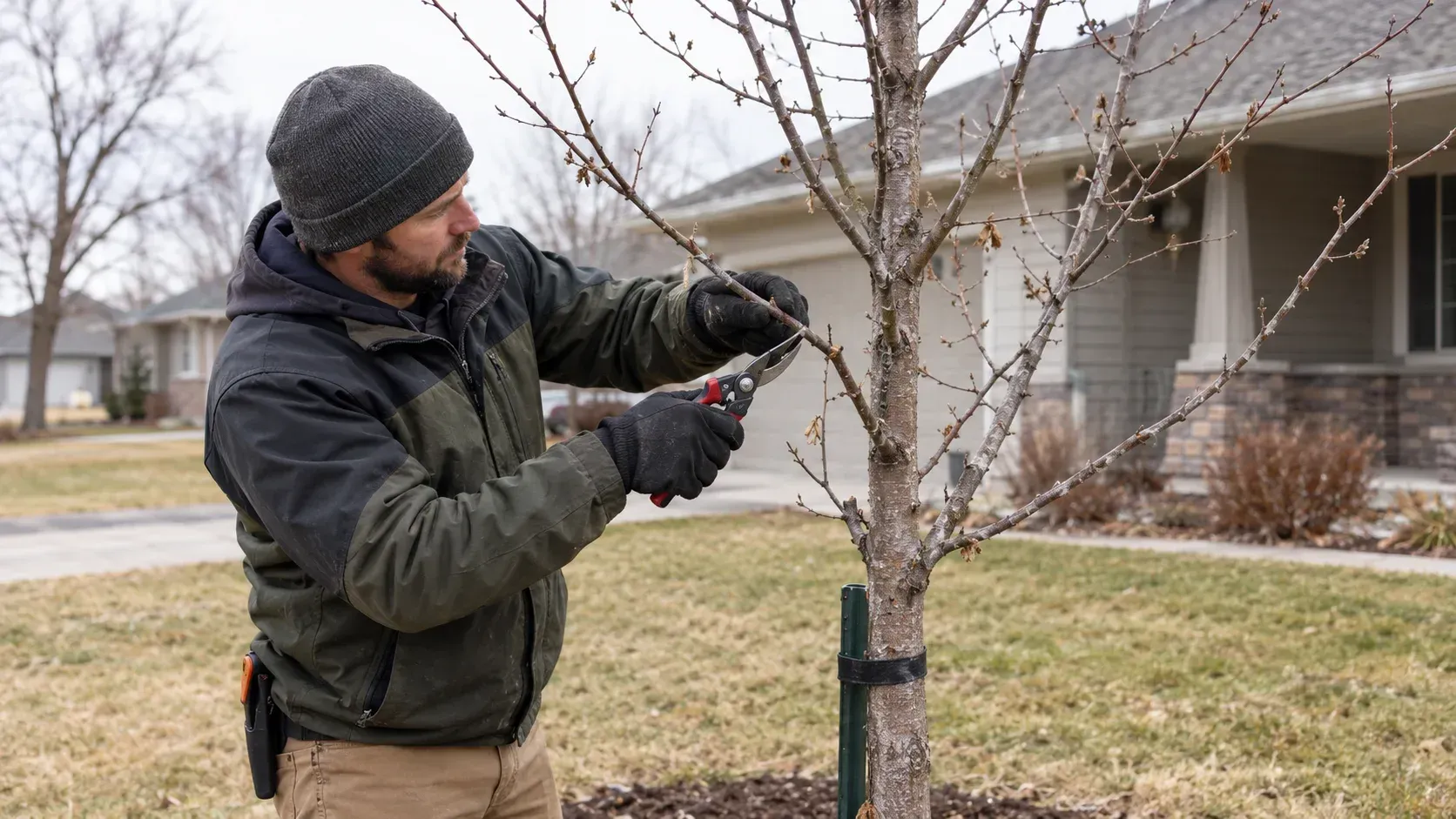
Routine Tree Inspections
Periodic evaluation of mature trees can identify:
- Internal decay
- Weak branch unions
- Structural imbalance
Healthy trees are generally more resilient, though no tree is immune to lightning.
Post-Storm Monitoring
After severe storms in Cedar Falls, IA, we recommend checking:
- Newly leaning trees
- Fresh cracks in bark
- Soil movement around the base
Early detection helps reduce future complications.
Conclusion
When trees hit by lightning damage your property, the most important steps involve prioritising safety, evaluating structural risk, and seeking professional assessment before making removal decisions. Lightning strikes can cause both visible and hidden damage, which may increase hazards over time.
Understanding why does lightning strike trees and how a lightning strike to tree structures affects stability allows property owners to respond thoughtfully rather than reactively. Careful evaluation supports responsible decision-making that protects families, neighbours, and property.
Book a Tree Removal Service
If you need guidance following lightning-related tree damage in Cedar Falls, IA, we at Fowlkes Tree And Stump Removal provide professional tree removal assessments focused on safety and structural evaluation.
We can be reached at (319) 327-1199 or through email at fowlkestreeandstumpremoval@gmail.com. Our approach is centred on careful analysis, clear communication, and responsible service practices.
Frequently Asked Questions
Can a tree survive after being hit by lightning?
Some trees survive minor strikes, especially if damage is limited to one section of bark. Severe trunk splitting or root damage may reduce survival likelihood. Professional assessment helps determine structural stability.
How long after a lightning strike can a tree fall?
Failure can occur immediately or months later. Internal damage may weaken the tree gradually, especially during high winds or saturated soil conditions.
Is it safe to remove a lightning-damaged tree myself?
Lightning-damaged trees can be unstable and unpredictable. Removal often involves working at height and handling heavy limbs. Professional equipment and training reduce safety risks.
Does homeowners insurance cover trees hit by lightning?
Coverage depends on the policy and the type of damage involved. Many policies cover structural damage caused by fallen trees, but removal coverage varies.
Should I remove a tree near power lines after a lightning strike?
If a damaged tree is near or touching power lines, contact your utility provider before taking action. Electrical hazards require specialised response procedures.
Related Posts