How Stump and Root Grinding Can Prevent Future Tree Issues
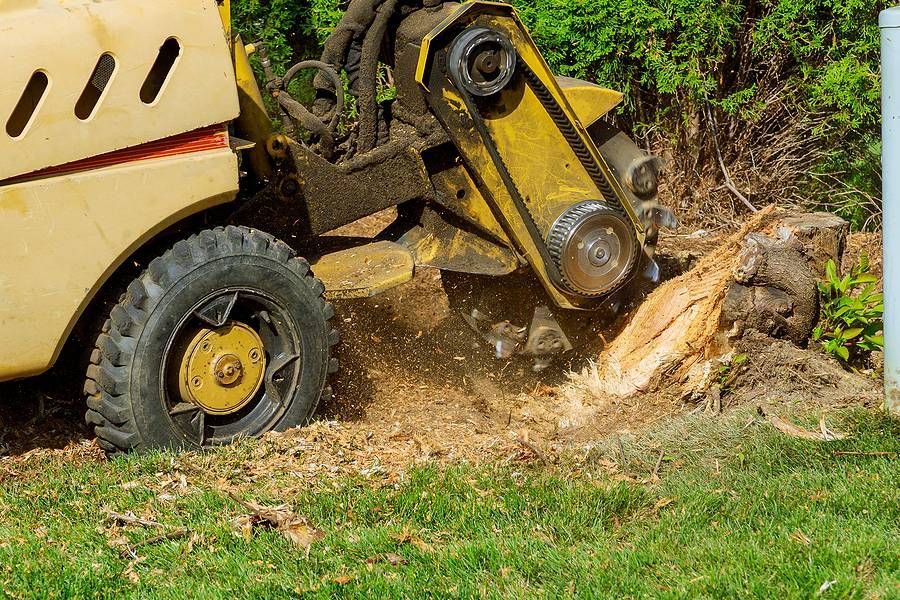
Table of Contents
- Introduction
- What Happens When You Ignore Stumps and Roots?
- How Stump and Root Grinding Prevents Future Problems
- Long-Term Benefits of Professional Stump Grinding
- When Should You Grind a Stump and Its Roots?
- What to Expect During the Grinding Process
- Why Professional Stump Grinding Is Better Than DIY
- How to Restore Your Yard After Grinding
- Conclusion
- Ready to Get Rid of That Stump?
- Frequently Asked Questions
Key Takeaways
- Untreated stumps can attract pests and create hazards around your property.
- Remaining roots may contribute to unwanted regrowth and interfere with landscaping.
- Stump grinding removes the visible stump below ground level and makes the area easier to use.
- Grinding can improve the appearance and safety of your yard while creating space for future landscaping.
- Professional grinding uses specialized equipment and can reduce the risk of property damage associated with DIY removal.
Introduction
A tree may be gone, but the stump and roots left behind can continue to affect your property. Old stumps can attract pests, create tripping hazards, interfere with mowing, and make future landscaping more difficult. Professional stump grinding services can grind the remaining stump below ground level, leaving a cleaner area that is easier to maintain and restore.
Stump and root grinding is more than a cosmetic improvement. Addressing leftover tree material can help reduce ongoing yard problems and give you more usable space for grass, plants, landscaping, or other outdoor improvements.
What Happens When You Ignore Stumps and Roots?
After a tree is removed, the remaining stump and root system do not simply disappear. Over time, they can decay, become difficult to maintain, or create problems for other parts of your landscape.
Pest Problems
Decaying wood can provide a food source and shelter for insects such as termites, ants, and beetles. While an old stump does not automatically mean your home will develop a pest infestation, leaving decaying wood in the yard can create an unnecessary attractant.
Removing the stump can eliminate that source and make the surrounding area easier to inspect and maintain.
For more information about the potential safety, pest, and property concerns associated with untreated stumps, see these hidden dangers of leaving tree stumps in your yard.
Root Regrowth
Some tree species can produce new growth from remaining roots or the stump itself. New shoots can become an ongoing maintenance problem and may interfere with nearby plants, lawn areas, or landscaping.
Grinding the stump below ground level helps eliminate the visible portion and reduces the chance of unwanted stump growth returning.
Uneven Ground and Lawn Maintenance
A leftover stump can make routine yard work more difficult. Mowing around it takes extra care, while exposed roots or uneven areas can create obstacles for people and lawn equipment.
Grinding the stump creates a more usable area that can later be restored with soil, grass, or other landscaping.
How Stump and Root Grinding Prevents Future Problems
Stump grinding is more than a cosmetic improvement. It addresses the remaining wood that can continue to interfere with how you use and maintain your property.
Grinding the Stump Below Ground Level
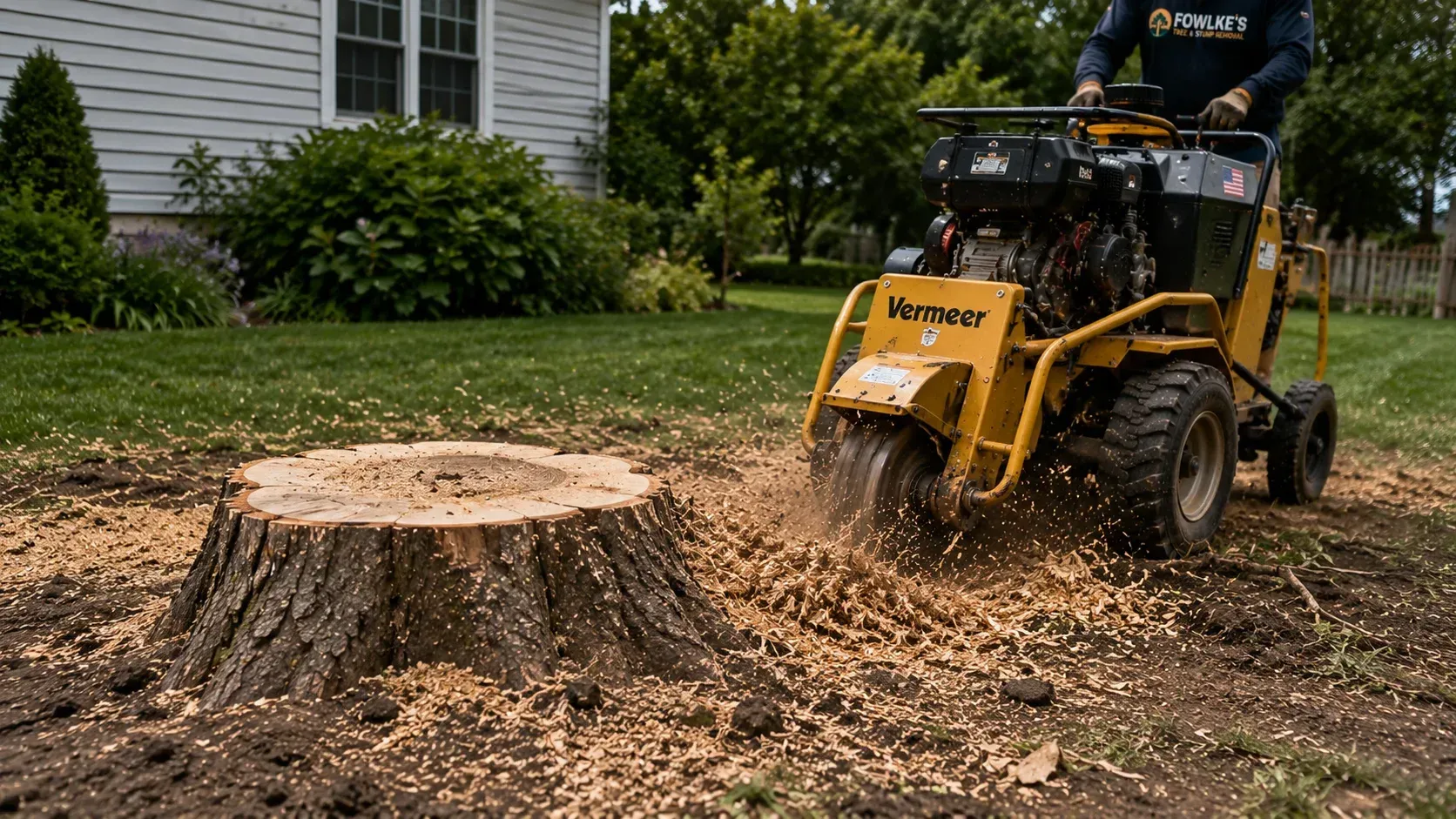
A stump grinder uses specialized cutting equipment to break the stump into wood chips. Fowlkes Tree and Stump Removal grinds stumps below ground level, allowing the area to be prepared for grass, planting, or other landscaping.
This approach can be especially useful when you want to reclaim an area without excavating the entire root ball.
Reducing the Chance of Regrowth
Grinding removes the remaining stump material below the surface, which can help prevent the stump from producing new shoots. The depth and extent of grinding depend on the individual stump and the property's requirements.
Creating a Safer Yard
Once a stump is ground down, there is no longer a raised obstruction in the middle of the lawn. That can make the area easier to walk across, mow, and maintain.
This is particularly helpful for yards used by children, pets, guests, or anyone who regularly works around the property.
Long-Term Benefits of Professional Stump Grinding
Taking care of a stump can provide benefits that extend beyond simply making the yard look better.
Improved Curb Appeal
An old stump can stand out against an otherwise well-maintained lawn. Removing it creates a cleaner appearance and gives you more flexibility with future landscaping.
Professional stump grinding can also support plans for new grass, garden beds, or other outdoor improvements. For more ideas about how grinding can change the appearance and usability of your yard, see how stump grinding can improve your yard's appearance.
Easier Lawn Maintenance
A stump-free lawn is easier to mow and maintain. You do not have to repeatedly maneuver around the stump or worry about hitting it with lawn equipment.
More Usable Outdoor Space
Once the stump has been ground down, the area can be incorporated into your existing landscape. Depending on the location and your plans, you may be able to reseed the lawn, plant landscaping, or use the space for another outdoor improvement.
Reduced Pest Concerns
Removing decaying stump material eliminates one potential source of shelter and food for wood-boring pests. It also makes the surrounding area easier to monitor for signs of pest activity.
When Should You Grind a Stump and Its Roots?
There is no need to wait for a stump to become severely decayed before addressing it. If a stump is interfering with mowing, landscaping, property use, or the appearance of your yard, grinding can be considered at any point.
You may want to consider stump grinding when:
- A recently removed tree has left a large stump behind.
- An old stump is becoming difficult to mow around.
- New shoots are growing from the stump.
- You are planning new landscaping in the area.
- The stump creates a tripping or equipment hazard.
- You want to reclaim more usable lawn space.
If the stump is associated with a larger tree removal project, professional evaluation can also help determine whether grinding or another removal method is appropriate.
What to Expect During the Grinding Process
Professional stump grinding generally follows a straightforward process.
1. Assess the Stump
The stump's size, location, surrounding landscape, and accessibility are considered before work begins.
2. Prepare the Area
The work area is prepared so equipment can safely access the stump. Potential obstacles and surrounding property features need to be considered before grinding begins.
3. Grind the Stump
A stump grinder uses rotating cutting equipment to break the stump into smaller wood chips. Fowlkes Tree and Stump Removal grinds the stump below ground level to help prepare the area for future use.
4. Clean Up
Grinding produces wood chips and debris. Cleanup helps leave the area ready for the next stage of lawn or landscape restoration.
The exact process can vary depending on the stump, its location, and the surrounding property.
Why Professional Stump Grinding Is Better Than DIY
Stump grinding may look straightforward, but professional equipment is powerful and requires proper operation. Attempting to remove a large stump without the appropriate equipment can also result in unnecessary damage to the surrounding lawn or property.
Professionals have the equipment and experience to approach the job based on the stump's size, location, and accessibility. This can make the work more efficient while reducing the risks associated with handling heavy grinding equipment yourself.
Professional stump grinding can also be preferable when a stump is close to structures, landscaping, or other areas where careful equipment operation matters.
How to Restore Your Yard After Grinding
Grinding is only one part of restoring the area. Once the stump has been removed below ground level, the space can be prepared for whatever comes next.
Depending on your plans, restoration may include:
- Removing excess wood chips
- Adding topsoil to the area
- Leveling the ground
- Planting grass seed
- Installing sod
- Creating a garden bed
- Adding new landscaping
Give the area time to settle before completing major landscaping work, particularly when a significant amount of stump material has been ground into the soil.
Conclusion
A leftover stump can become more than an eyesore. It can interfere with lawn maintenance, attract pests, contribute to unwanted regrowth, and limit how you use your outdoor space.
Stump and root grinding provides a practical way to address these problems without excavating the entire root system. By grinding the stump below ground level, you can create a cleaner, safer area that is easier to maintain and prepare for future landscaping.
If you have an unwanted stump on your property, Fowlkes Tree and Stump Removal provides professional stump grinding services for homeowners in Independence, Hiawatha, Cedar Falls, and surrounding areas.
Ready to Get Rid of That Stump?
If an old stump is getting in the way of your lawn, landscaping, or plans for your property, Fowlkes Tree and Stump Removal can assess the area and discuss the appropriate grinding approach.
Contact Fowlkes Tree and Stump Removal to request a quote or call
(319) 327-1199 to discuss your stump grinding needs.
Frequently Asked Questions
1. Does stump grinding prevent a tree stump from growing back?
Grinding the stump below ground level removes the remaining stump material that could produce new growth. The exact result can depend on the tree species and the extent of the grinding.
2. What happens to the roots after stump grinding?
Stump grinding primarily removes the stump and accessible portions of the root system. Remaining roots underground can naturally decay over time rather than being completely excavated from the property.
3. Is stump grinding better than completely removing a stump?
It depends on the project. Grinding is less invasive and can leave the area ready for lawn or landscaping restoration. Complete stump extraction may be more appropriate when the entire root ball needs to be removed, such as for certain construction projects.
4. Can grass grow where a stump was ground?
Yes. Once the area has been properly cleaned, leveled, and prepared with suitable soil, it can be restored with grass seed or sod.
5. How soon should an old stump be ground?
There is no need to wait for a stump to decay. If it is creating a safety concern, attracting pests, interfering with lawn maintenance, or preventing landscaping plans, professional grinding can address the problem sooner.
Related Posts