Tree Removal Service vs. Tree Pruning: What's the Difference?
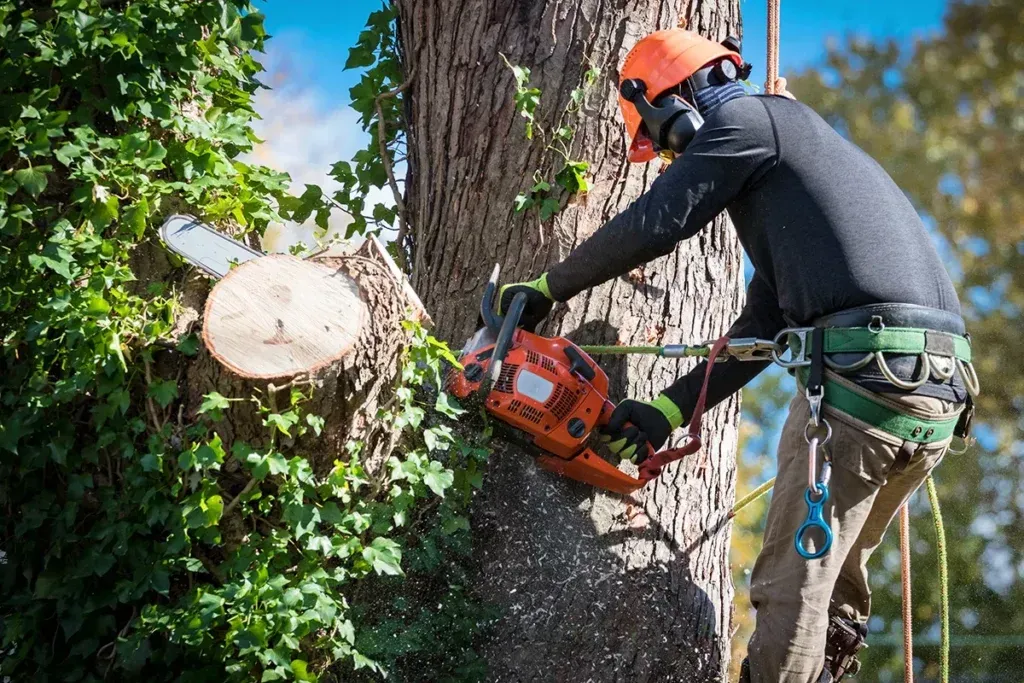
Table of Contents
- Introduction
- What Is Tree Removal?
- What Is Tree Pruning?
- Tree Removal vs. Pruning: Key Differences
- When Should You Choose Tree Removal?
- When Should You Choose Tree Pruning?
- Benefits of Tree Removal
- Benefits of Tree Pruning
- How to Decide Which Service Your Tree Needs
- Why Professional Tree Care Matters
- Conclusion
- Get Professional Advice for Your Trees
- Frequently Asked Questions
Key Takeaways
- Tree removal eliminates an entire tree when it is hazardous, dead, severely damaged, or no longer suitable for its location.
- Tree pruning removes selected branches to improve a tree's health, structure, appearance, and safety.
- Pruning can help maintain a healthy tree, while removal is generally considered when the tree cannot safely remain.
- A tree's condition, location, structural stability, and potential risk should all be considered before choosing a service.
- When you're unsure which option is appropriate, a professional tree assessment can help determine the safest approach.
Introduction
Tree removal is used when a tree is dead, dangerous, diseased, or causing serious property problems, while tree pruning is used to maintain a living tree by selectively removing branches. Knowing the difference between tree removal vs. pruning can help you choose the right service for your property and avoid removing a tree that could remain healthy with proper care.
Both services have an important place in responsible tree care, but they address very different problems. A healthy tree with a few damaged or overgrown branches may need pruning, while a structurally compromised tree may need to come down completely.
What Is Tree Removal?
Tree removal involves cutting down and removing an entire tree from the property. It is generally considered when a tree is dead, severely damaged, diseased, structurally unstable, or creating a significant risk to people, buildings, utilities, or other parts of the landscape.
Professional tree removal services can also be appropriate when a tree has outgrown its location or needs to be cleared for construction or landscaping work.
When Tree Removal May Be Necessary
Tree removal may be the better option when:
- The tree is dead or significantly weakened.
- The trunk or major limbs are structurally compromised.
- The tree is leaning in a dangerous direction.
- Roots or branches are causing serious problems around structures.
- A severe disease or pest problem has made the tree unsafe.
- The tree is obstructing a construction or landscaping project.
A professional assessment is important because a tree that looks unhealthy does not automatically need to be removed. In some cases, targeted pruning or other tree care may address the problem while allowing the tree to remain.
What Is Tree Pruning?
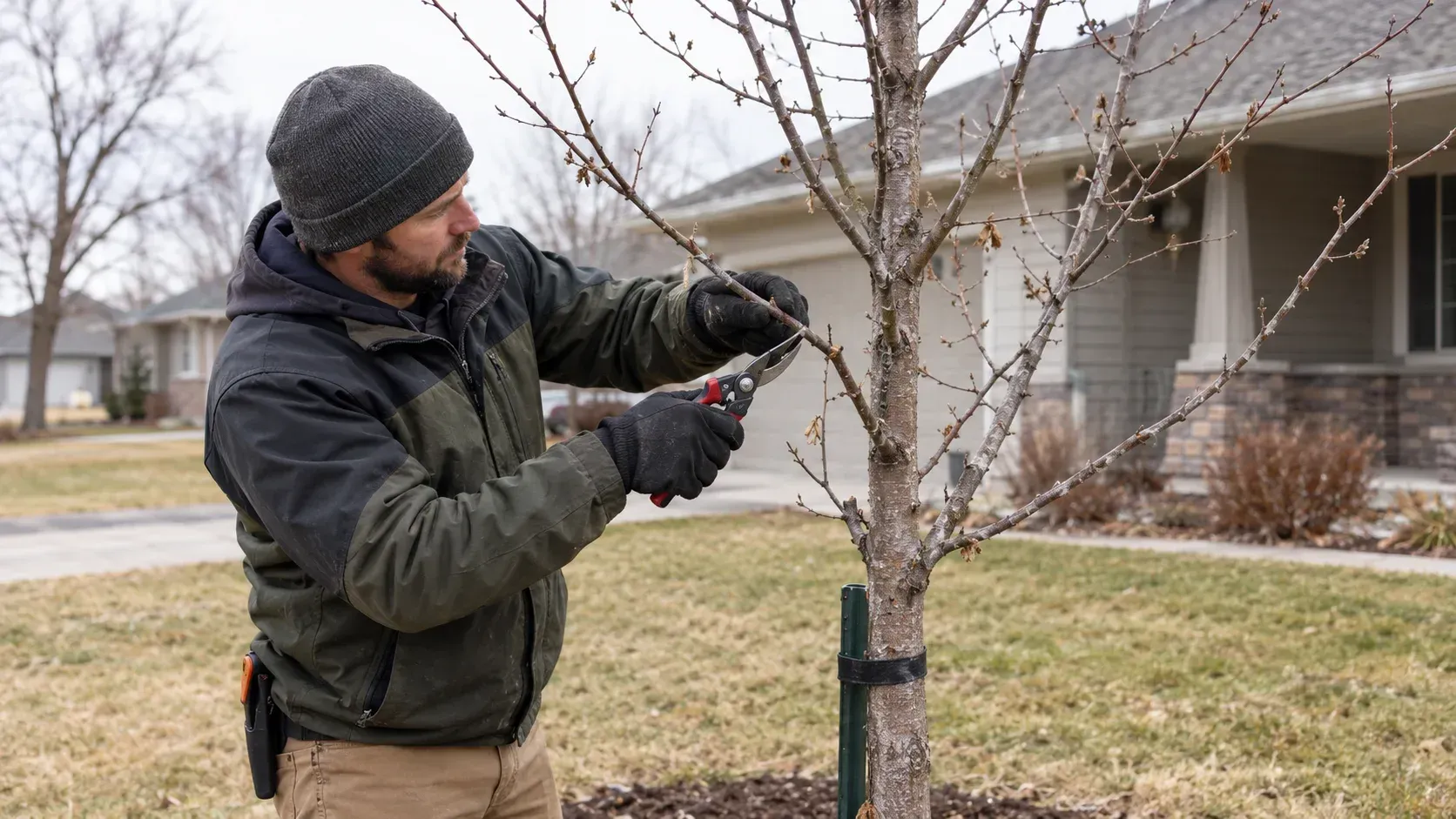
Tree pruning involves selectively removing branches rather than removing the entire tree. The goal may be to improve tree health, correct structural problems, manage growth, improve appearance, or reduce potential hazards.
Professional tree pruning services can include removing dead, damaged, diseased, overgrown, or poorly positioned branches.
When Tree Pruning May Be Appropriate
Pruning may be the better choice when:
- The tree is generally healthy but has damaged branches.
- Dead or diseased limbs need to be removed.
- Branches are rubbing against one another.
- Growth is interfering with walkways or structures.
- The tree needs structural shaping.
- Overgrown branches are creating a potential safety concern.
Proper pruning can help preserve the tree while improving its structure and appearance. The objective is not simply to remove as many branches as possible, but to make targeted cuts that support the tree's long-term condition.
Tree Removal vs. Pruning: Key Differences
The biggest difference between tree removal and pruning is the outcome. Removal eliminates the tree, while pruning allows the tree to remain and focuses on improving its condition.
| Factor | Tree Removal | Tree Pruning |
|---|---|---|
| Primary purpose | Remove the entire tree | Maintain or improve the tree |
| Effect on tree | Tree is completely removed | Tree remains in place |
| Typical reason | Hazard, severe damage, disease, or obstruction | Health, structure, appearance, or safety |
| Scope of work | Trunk, branches, and tree removal | Selected branches and limbs |
| Impact on landscape | More extensive | Generally less disruptive |
| Long-term result | Tree is permanently removed | Tree continues growing |
The right choice depends on the condition and location of the tree rather than simply how large or unattractive it appears.
When Should You Choose Tree Removal?
Tree removal becomes more appropriate when leaving the tree in place creates an unacceptable safety or property risk.
The Tree Is Dead or Severely Damaged
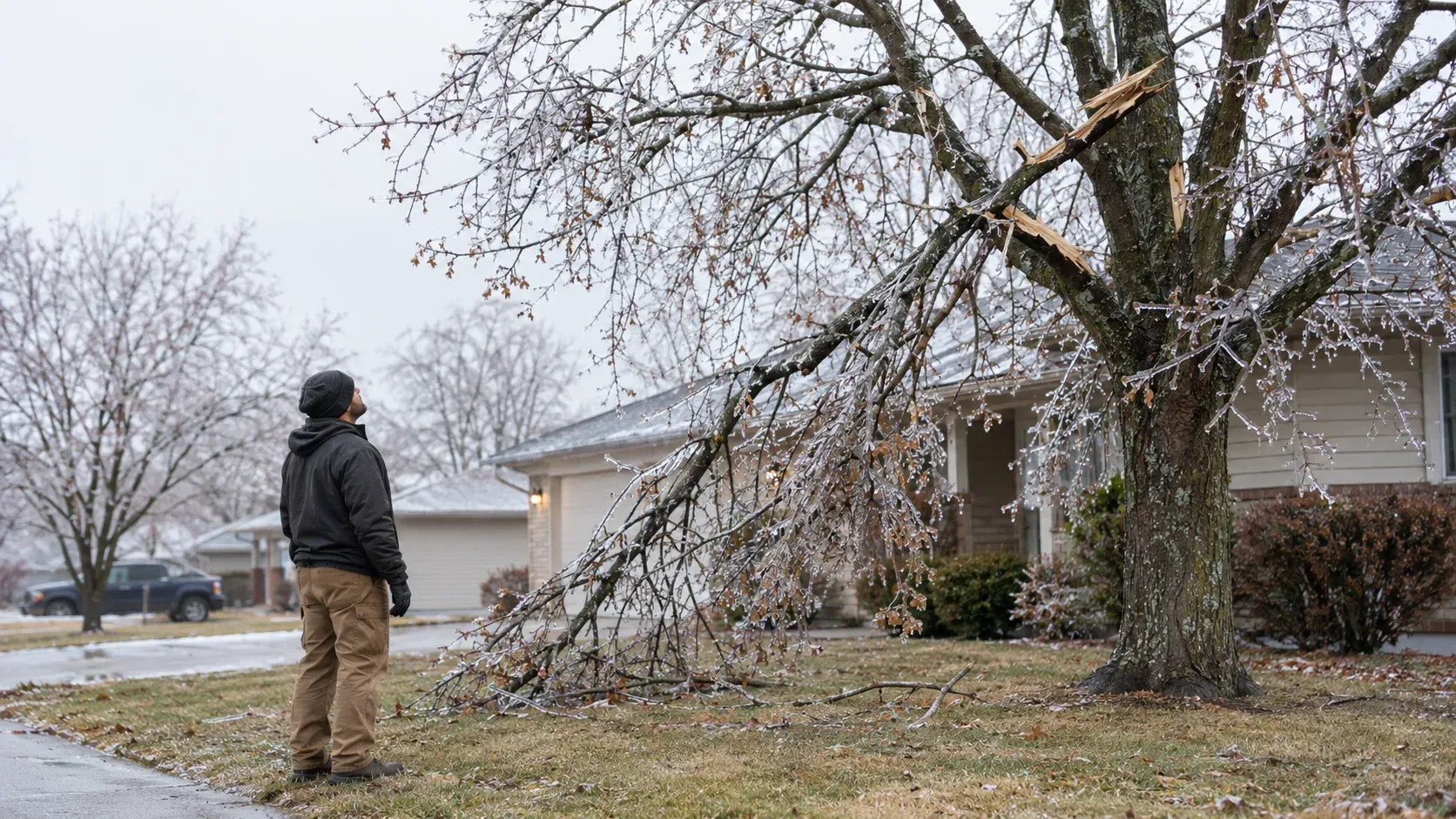
Dead trees can become structurally weak over time. Broken limbs, decay, or a compromised trunk can increase the risk of falling branches or complete tree failure.
The Tree Is Structurally Unstable
A significant lean, major cracks, extensive decay, or other structural problems can indicate that a tree may not be safe to leave standing.
The Tree Is Causing Property Problems
Trees growing too close to buildings, utility lines, driveways, sidewalks, or other structures may eventually create conflicts. Depending on the circumstances, removal may be the safest solution.
The Tree Has Severe Disease or Pest Damage
Some trees can recover from disease or insect damage with appropriate care. In more serious cases, however, removal may be necessary to address a hazardous or severely compromised tree.
The important point is that removal should be based on the tree's actual condition and risk, not simply convenience.
When Should You Choose Tree Pruning?
Pruning is generally appropriate when the tree can remain safely in place but needs maintenance.
Dead or Damaged Branches Need Attention
Removing dead or broken limbs can improve the tree's appearance and reduce potential hazards.
Branches Are Growing Into Problem Areas
Branches that extend toward buildings, walkways, driveways, or other areas may need selective pruning to maintain clearance.
The Tree Has Structural Problems That Can Be Corrected
Crossing, rubbing, weak, or poorly positioned branches can sometimes be addressed through proper pruning before they become larger problems.
The Tree Needs Shape or Growth Management
Selective pruning can help manage overgrown trees while maintaining their natural form.
Timing also matters. Different trees respond differently to pruning throughout the year, so understanding seasonal tree pruning can help determine when maintenance should be performed.
Benefits of Tree Removal
When removal is the appropriate solution, it can provide several important benefits.
Improved Safety
Removing a hazardous tree eliminates the risk associated with that particular tree and its unstable branches or trunk.
More Usable Space
Taking out an unwanted tree can open an area for landscaping, construction, access, or other property improvements.
Protection for Surrounding Property
A compromised tree can threaten roofs, vehicles, fences, utility lines, and other structures. Removing it can eliminate that source of risk.
Better Landscape Planning
Once an unwanted tree is removed, homeowners have greater flexibility when redesigning or improving the surrounding landscape.
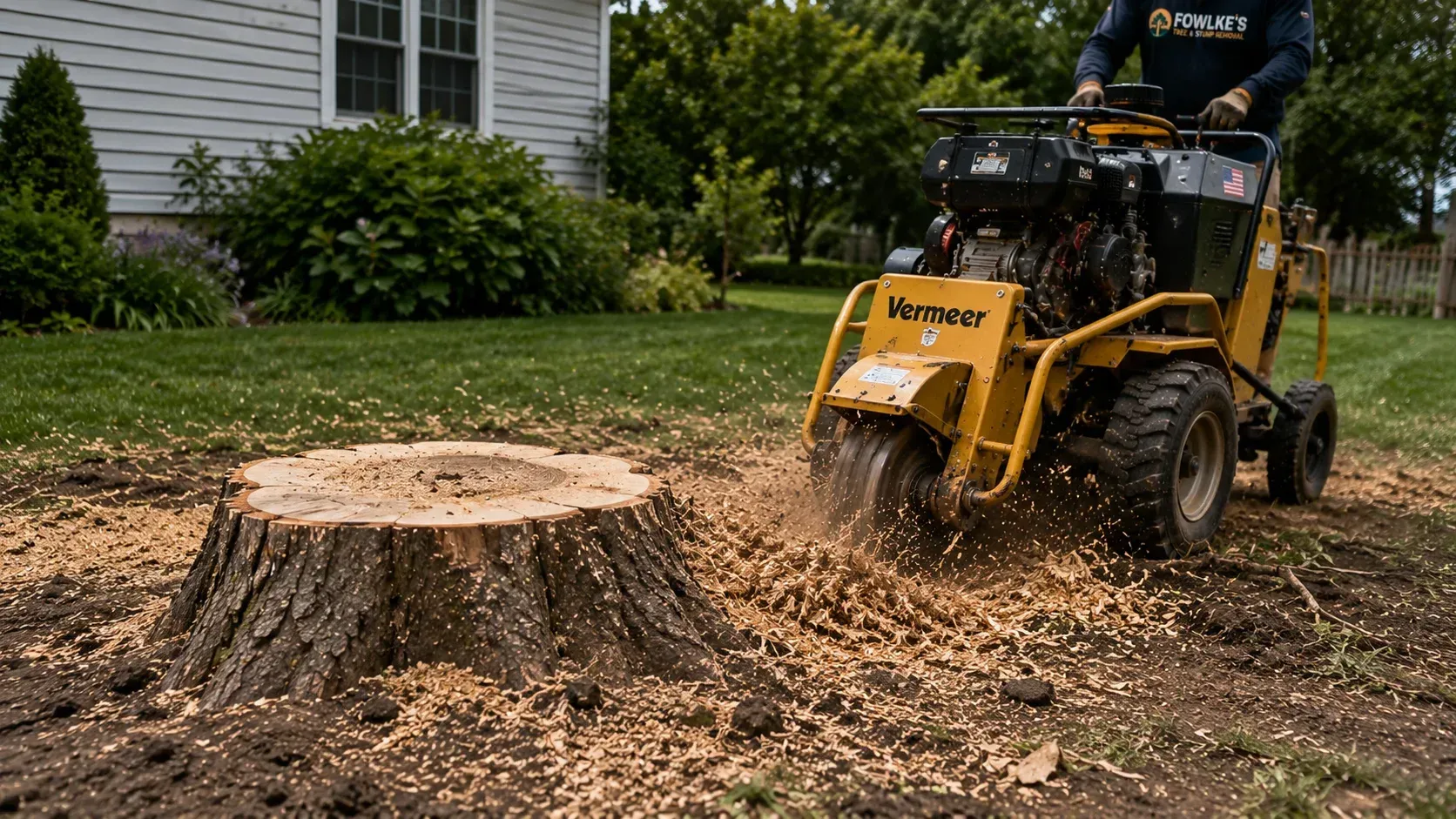
If a stump remains after the tree is removed, stump grinding services can help clear the remaining obstruction and prepare the area for future landscaping.
Benefits of Tree Pruning
Pruning offers a different set of benefits because the tree remains in place.
Supports Tree Health
Removing dead or diseased branches can help maintain healthier growth and reduce problems within the canopy.
Improves Tree Structure
Selective pruning can address weak, crossing, or poorly positioned branches and improve the overall structure of the tree.
Enhances Appearance
A properly maintained tree can look more balanced and attractive while still retaining its natural form.
Reduces Certain Safety Concerns
Removing problematic branches can improve clearance around walkways, structures, and other areas of the property.
Regular maintenance can also help homeowners identify developing problems before they become more serious. For example, pruning trees for storm preparedness can help address vulnerable branches before severe weather creates additional risks.
How to Decide Which Service Your Tree Needs
If you're deciding between tree removal vs. pruning, start with the condition of the tree rather than the appearance alone.
Choose removal when the tree is:
- Dead or severely declining.
- Structurally unstable.
- Creating a significant safety hazard.
- Seriously interfering with structures or property.
- Beyond reasonable recovery through pruning or other maintenance.
Consider pruning when the tree is:
- Generally healthy.
- Developing dead or damaged branches.
- Overgrown or poorly shaped.
- Growing into areas where clearance is needed.
- Experiencing manageable structural issues.
If you're uncertain, a professional evaluation is often the best next step. An experienced tree care professional can examine the tree and its surroundings and help determine whether pruning can address the problem or whether removal is warranted.
Why Professional Tree Care Matters
Tree removal and pruning both involve more than simply cutting branches. The location of the tree, its condition, surrounding structures, access, and the size and position of its limbs all affect how the work should be performed.
Professional tree care can help reduce the risk of property damage and ensure that pruning cuts or removal work are carried out appropriately. Fowlkes Tree And Stump Removal provides tree removal, tree pruning, and stump grinding for homeowners in Independence, Hiawatha, Cedar Falls, and surrounding areas.
For larger or hazardous trees, professional equipment and experience are particularly important. The goal should always be to address the tree problem without creating a new risk for the property or people nearby.
Conclusion
The difference between tree removal and tree pruning comes down to whether the tree should remain standing. Tree removal eliminates a tree that is dead, dangerous, severely damaged, or no longer suitable for its location, while tree pruning maintains a living tree by selectively removing problematic branches.
Choosing the right service requires looking at the tree's health, structural condition, location, and potential risks. When a tree can be safely maintained, pruning may be the better approach. When the tree poses a serious hazard or cannot reasonably be preserved, removal may be necessary.
The important thing is not to make the decision based on appearance alone. A professional assessment can help identify the safest and most appropriate solution for your property.
Get Professional Advice for Your Trees
Not sure whether your tree needs pruning or complete removal? Contact Fowlkes Tree And Stump Removal to discuss the condition of your tree and the concerns you have about your property. Call (319) 327-1199 to schedule a consultation.
Frequently Asked Questions
Is tree pruning the same as tree removal?
No. Tree pruning removes selected branches while keeping the tree standing. Tree removal involves taking down and removing the entire tree.
How do I know if a tree needs to be removed?
A tree may need removal if it is dead, severely damaged, structurally unstable, or creating a significant safety or property risk. A professional assessment can help determine whether removal is necessary.
Can pruning save a damaged tree?
In some cases, yes. If the tree is generally healthy and the problem is limited to certain branches, proper pruning may help improve its condition. Severely compromised trees may require removal.
Is tree pruning good for tree health?
Proper pruning can support tree health by removing dead, damaged, diseased, or poorly positioned branches and improving the tree's structure. The amount and timing of pruning should be appropriate for the tree.
Should I remove the stump after tree removal?
If you want to fully reclaim the area, stump grinding is an option. It grinds the remaining stump below ground level, helping create space for grass, planting, or other landscaping.
Related Posts