How to Prepare Your Yard Before a Tree Removal Service Visit
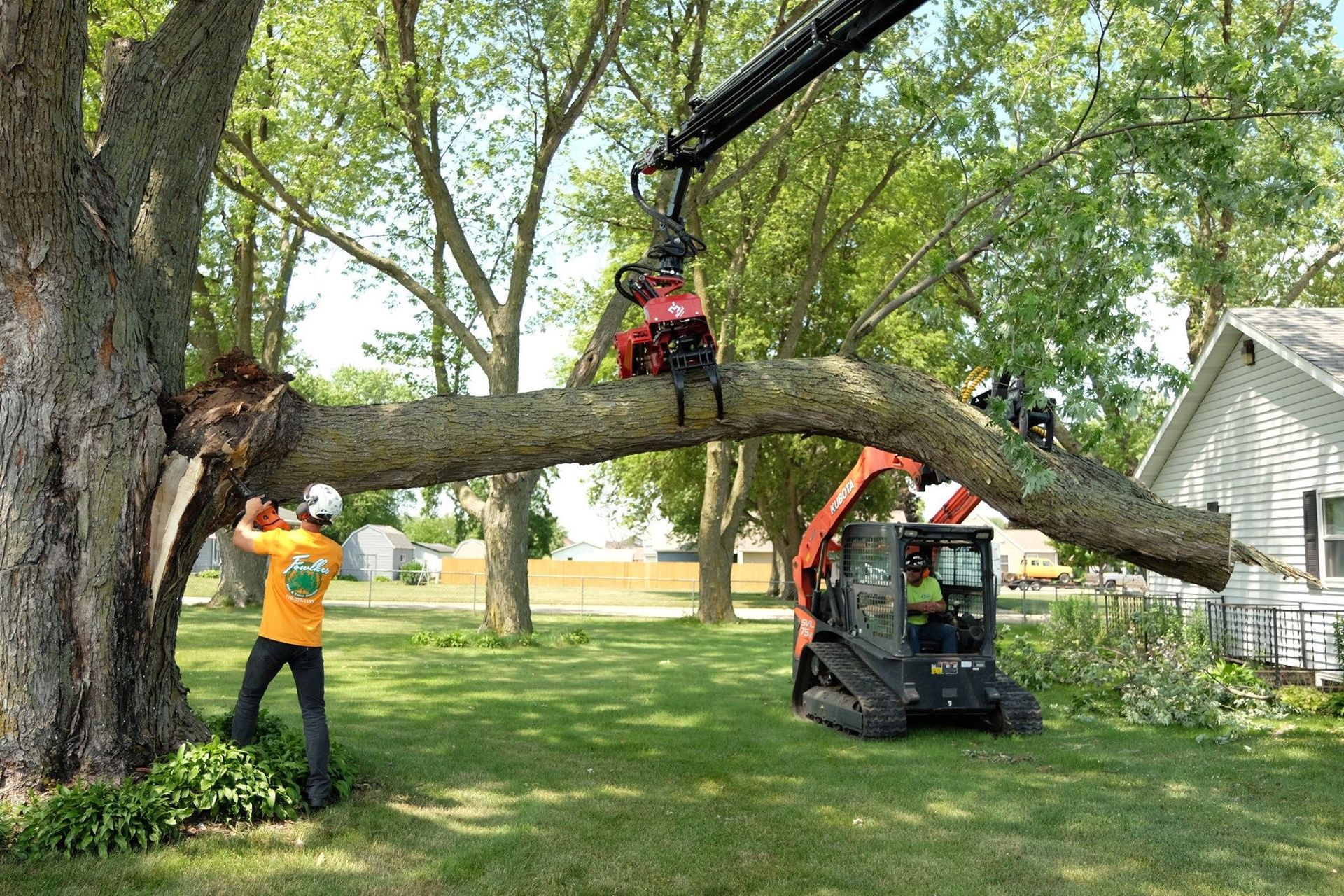
Table of Contents
- Introduction
- Why Getting Ready for Tree Work Matters
- Steps to Prepare for Tree Removal
- Clear the Work Area and Protect Your Belongings
- Mark Fragile Landscaping and Structures
- Provide Clear Access for Equipment and Crew
- Follow a Tree Removal Checklist
- Tips for a Safe Tree Removal
- Common Preparation Mistakes to Avoid
- Final Checks Before the Crew Arrives
- Why Professional Tree Removal Makes a Difference
- Conclusion
Key Takeaways
- Clearing furniture, vehicles, toys, and other belongings helps protect them during tree removal.
- Marking fragile landscaping gives the crew a better understanding of areas that need extra care.
- Open gates, driveways, and access routes make it easier to bring in equipment safely.
- Keeping children and pets away from the work area is essential during the removal.
- Professional preparation and experienced tree removal help reduce unnecessary risks and property damage.
Introduction
Preparing your yard before a tree removal service visit helps protect your property, gives the crew clear access to the work area, and makes the removal process safer and more efficient. A little preparation before the crew arrives can prevent delays, protect landscaping and belongings, and make it easier for professionals to complete the job properly.
Why Getting Ready for Tree Work Matters
Tree removal involves much more than cutting down a tree. Large trees can require specialized equipment, careful planning, and enough room for crews to safely move branches, logs, and machinery around your property. Preparing your yard before the appointment gives the crew the space they need while helping protect your home, landscaping, vehicles, and outdoor belongings.
Whether you are removing a dead tree, an overgrown tree, or one that has become a safety concern, preparation can make a significant difference. Fowlkes Tree And Stump Removal provides professional tree removal services designed to safely handle trees in a variety of locations and conditions.
Steps to Prepare for Tree Removal
Before the crew arrives, walk around your property and look at everything surrounding the tree. Think about where equipment will need to travel, where branches may be lowered, and which belongings or landscaping features need additional protection.
A simple preparation plan should include:
- Clearing furniture and outdoor belongings.
- Moving vehicles away from the work area.
- Marking fragile landscaping.
- Unlocking gates and clearing access routes.
- Securing children and pets away from the work zone.
- Informing neighbors if shared access may be affected.
- Reviewing the removal plan with the tree service team.
Taking care of these details beforehand allows the crew to focus on the technical aspects of the removal instead of stopping to deal with avoidable obstacles.
Clear the Work Area and Protect Your Belongings
Start by removing anything that could interfere with the work. Patio furniture, grills, toys, decorations, lawn equipment, playsets, and other movable objects should be relocated away from the tree and the expected work zone.
Vehicles are especially important. Move cars out of the driveway or other areas that the crew may need to access. Tree removal equipment can be large, and keeping vehicles out of the way gives the crew more room to maneuver.
If something cannot be moved, let the crew know before work begins. In some situations, covering or protecting an item can help reduce the risk of damage.
Taking these precautions is particularly important when the tree is close to a home, garage, fence, deck, or other structure.
Mark Fragile Landscaping and Structures
Your landscaping may contain areas that are easy for a tree removal crew to overlook. Flowerbeds, ornamental shrubs, newly planted trees, gardens, irrigation features, and decorative landscaping should be identified before work begins.
Use visible flags, markers, or other indicators to point out areas that require special attention. This gives the crew a clearer picture of your priorities before equipment enters the property.
It is also helpful to point out structures or features that may not be immediately obvious, such as:
- Outdoor lighting
- Irrigation systems
- Garden beds
- Decorative fencing
- Drainage features
- Sprinkler heads
- Recently planted vegetation
Clear communication can help the crew plan the safest approach while minimizing unnecessary disruption to your landscape.
Provide Clear Access for Equipment and Crew
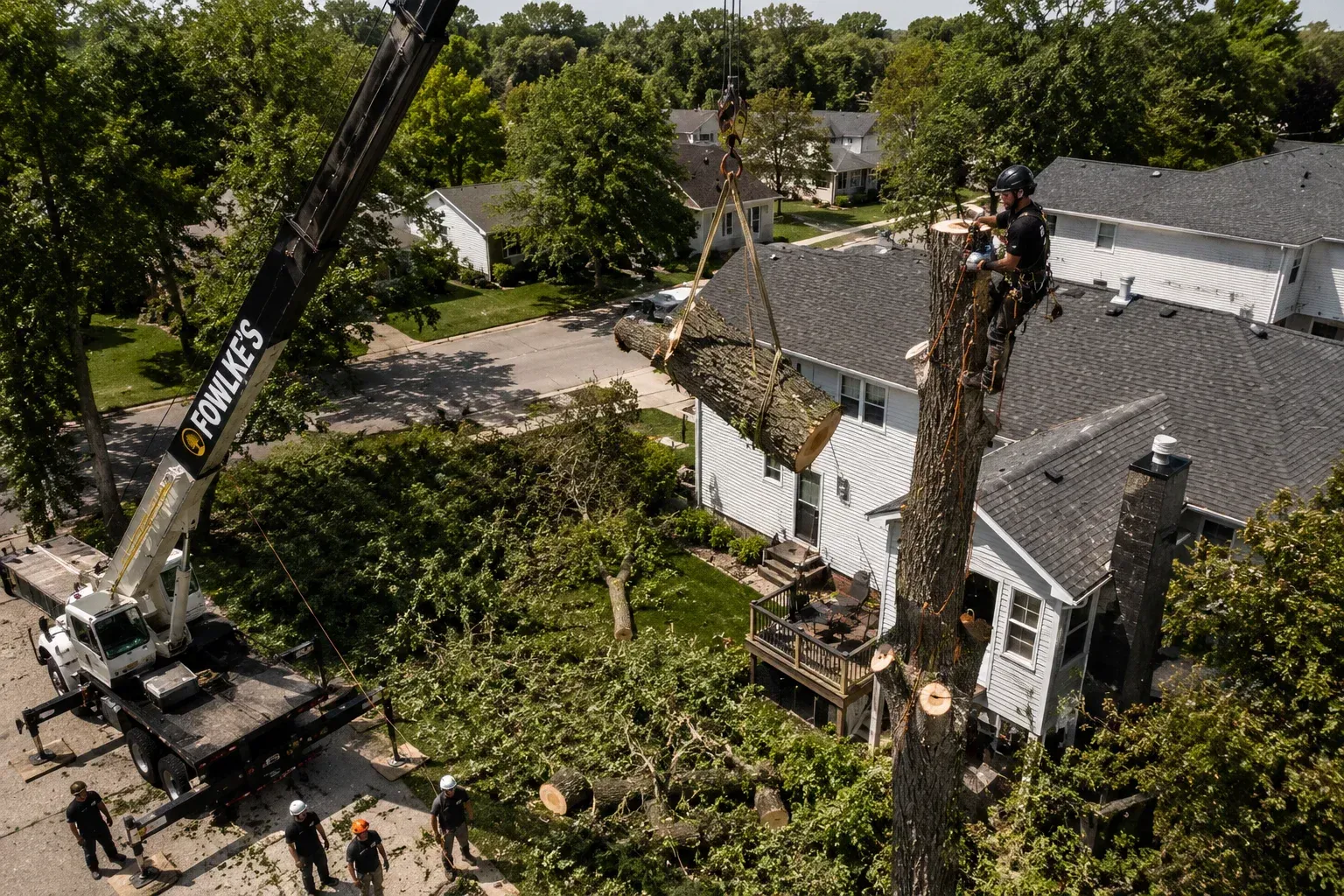
Tree removal equipment needs room to operate. Depending on the size and location of the tree, a project may require equipment such as trucks, wood chippers, cranes, or other specialized machinery.
Before the appointment:
- Unlock gates.
- Make sure gates are wide enough for the equipment being used.
- Clear vehicles from the driveway.
- Remove obstacles from walkways and access routes.
- Keep the path from the street to the work area accessible.
- Make sure shared access points are available if necessary.
If you are unsure how much space the crew needs, ask ahead of time. Preparing the access route in advance can prevent unnecessary delays on the day of the job.
For larger or difficult removals, specialized equipment can make a major difference. Fowlkes Tree And Stump Removal also provides crane-assisted tree removal for challenging trees and locations where controlled removal is necessary.
Follow a Tree Removal Checklist
A simple checklist can help make sure nothing important gets overlooked.
Before the appointment
- Confirm the scheduled service time.
- Move vehicles away from the work area.
- Remove outdoor furniture and decorations.
- Secure children and pets.
- Mark sensitive landscaping.
- Unlock gates and access points.
- Clear driveways and walkways.
- Notify neighbors if shared access may be affected.
On the day of removal
Keep everyone away from the active work zone. Tree removal involves falling branches, heavy equipment, chainsaws, and large sections of wood, so the safest place for children and pets is away from the work area.
You should also keep communication open with the crew. If you have concerns about a particular plant, structure, or access point, point it out before work begins rather than approaching the crew while equipment is operating.
Tips for a Safe Tree Removal
Safety should always take priority over convenience. Once the crew begins working, maintain a safe distance from the tree and equipment.
Avoid standing underneath branches, near equipment, or within the expected drop zone. Even when a tree appears predictable, branches and sections of the trunk can move unexpectedly during removal.
It is also important not to attempt additional cutting yourself while the crew is working. Professional tree removal requires coordination between crew members, equipment operators, and ground personnel. Staying clear allows everyone to work according to the planned removal process.
If you are interested in understanding more about protecting your property during tree work, our guide on how to cut down a tree without damaging property covers additional considerations for minimizing damage and managing removal safely.
Common Preparation Mistakes to Avoid
Homeowners often focus on the tree itself and forget about everything around it. A few simple oversights can make the job more difficult.
Leaving vehicles in the work area
A vehicle parked where equipment needs to travel can delay the job and restrict access.
Forgetting about pets
Pets can become curious when they hear machinery or unfamiliar activity. Keep them indoors or somewhere safely away from the work zone.
Ignoring fragile landscaping
If there are plants or landscaping features you particularly want protected, make sure the crew knows about them before work starts.
Blocking equipment access
A locked gate, narrow passage, or cluttered driveway can prevent equipment from reaching the tree.
Standing too close during removal
Watching the process from too close a distance creates an unnecessary safety risk. Give the crew room to work.
Final Checks Before the Crew Arrives
The evening before or the morning of your appointment, take one final walk around the property.
Check that furniture and decorations have been moved, vehicles are relocated, gates are accessible, and children and pets have a safe place away from the work zone.
Look again at your landscaping and make sure any areas requiring special attention are clearly marked. If there have been changes to the property since the original estimate, let the tree service know before work begins.
This final check only takes a few minutes, but it can help prevent unnecessary delays once the crew arrives.
Why Professional Tree Removal Makes a Difference
Preparing the yard is only one part of a successful tree removal project. The removal itself requires appropriate equipment, planning, and experience, particularly when trees are large, damaged, leaning, or located close to structures.
Professional crews can assess the tree and surrounding property before determining the safest removal approach. Fowlkes Tree And Stump Removal handles tree removal throughout Cedar Falls, Waterloo, Independence, and surrounding Iowa communities, with services ranging from standard removals to more challenging projects.
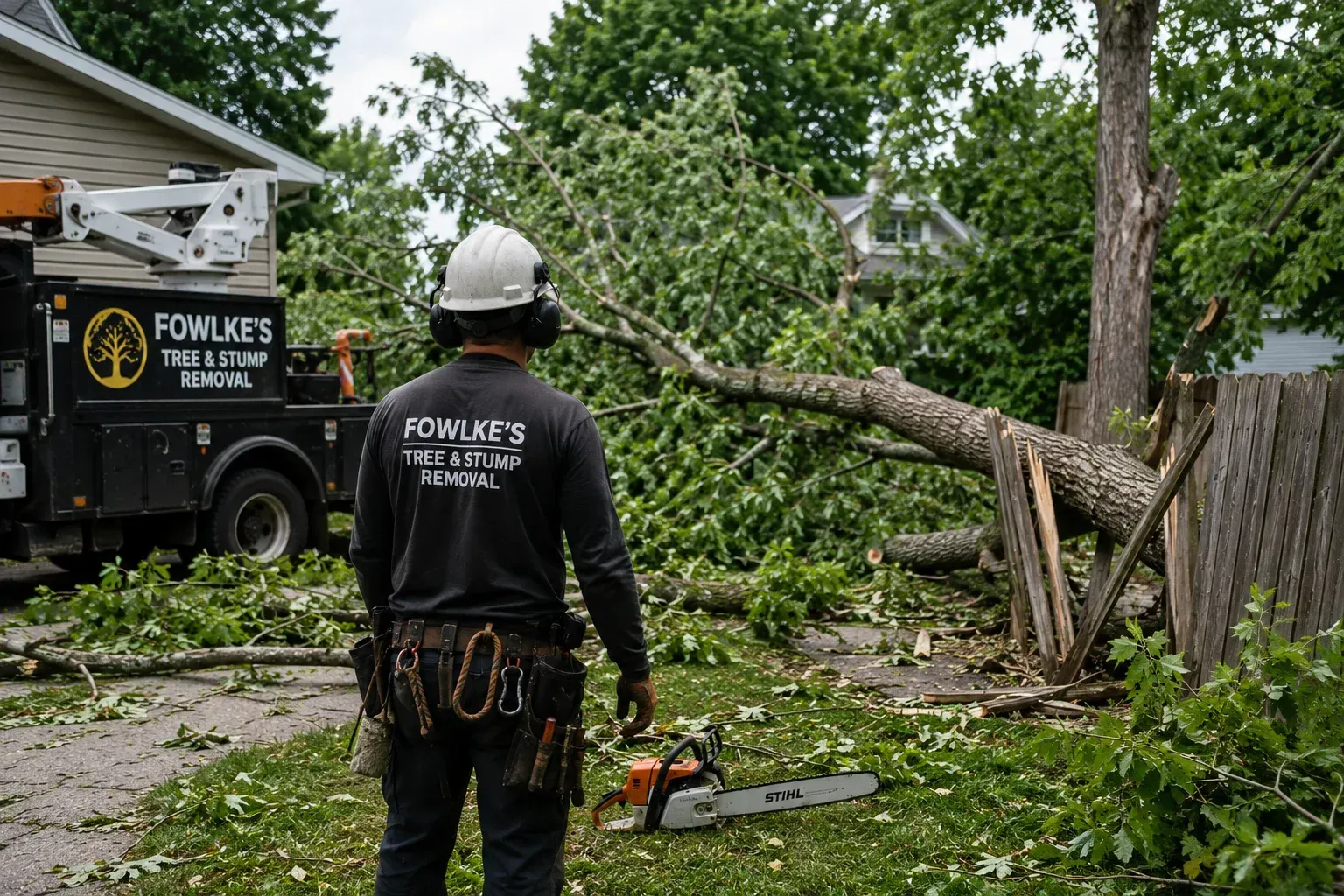
If a tree has already fallen or has become an immediate hazard, preparation may look different. In those situations, safety comes first. Our guide on what to do when a tree falls on your property explains the immediate precautions homeowners should take before cleanup begins.
Conclusion
Preparing your yard before a tree removal service visit protects your belongings, improves access, and creates a safer environment for everyone involved. Moving vehicles and furniture, marking fragile landscaping, securing pets, and clearing access routes are simple steps that can make the entire project run more smoothly.
Once the preparation is complete, an experienced tree removal crew can focus on safely removing the tree and cleaning up the resulting debris.
If you have a tree that needs to be removed, contact Fowlkes Tree And Stump Removal to discuss your project and schedule a consultation. Call
(319) 327-1199 or use the contact form to reach the team.
Frequently Asked Questions
1. What should I move before a tree removal service arrives?
Move vehicles, patio furniture, grills, toys, decorations, lawn equipment, and other belongings away from the work area. Clearing these items gives the crew more room to work and helps protect your property.
2. Should I mark landscaping before tree removal?
Yes. Mark flowerbeds, shrubs, gardens, irrigation features, and other areas that require special attention so the crew can account for them when planning the removal.
3. Do I need to unlock my gates before tree removal?
Yes. If the crew needs to bring equipment through a gate, make sure it is unlocked and provides enough clearance for the equipment being used.
4. Should children and pets stay away during tree removal?
Absolutely. Children and pets should remain indoors or in another secure area away from the active work zone while the crew is operating equipment and removing the tree.
5. What happens after the tree is removed?
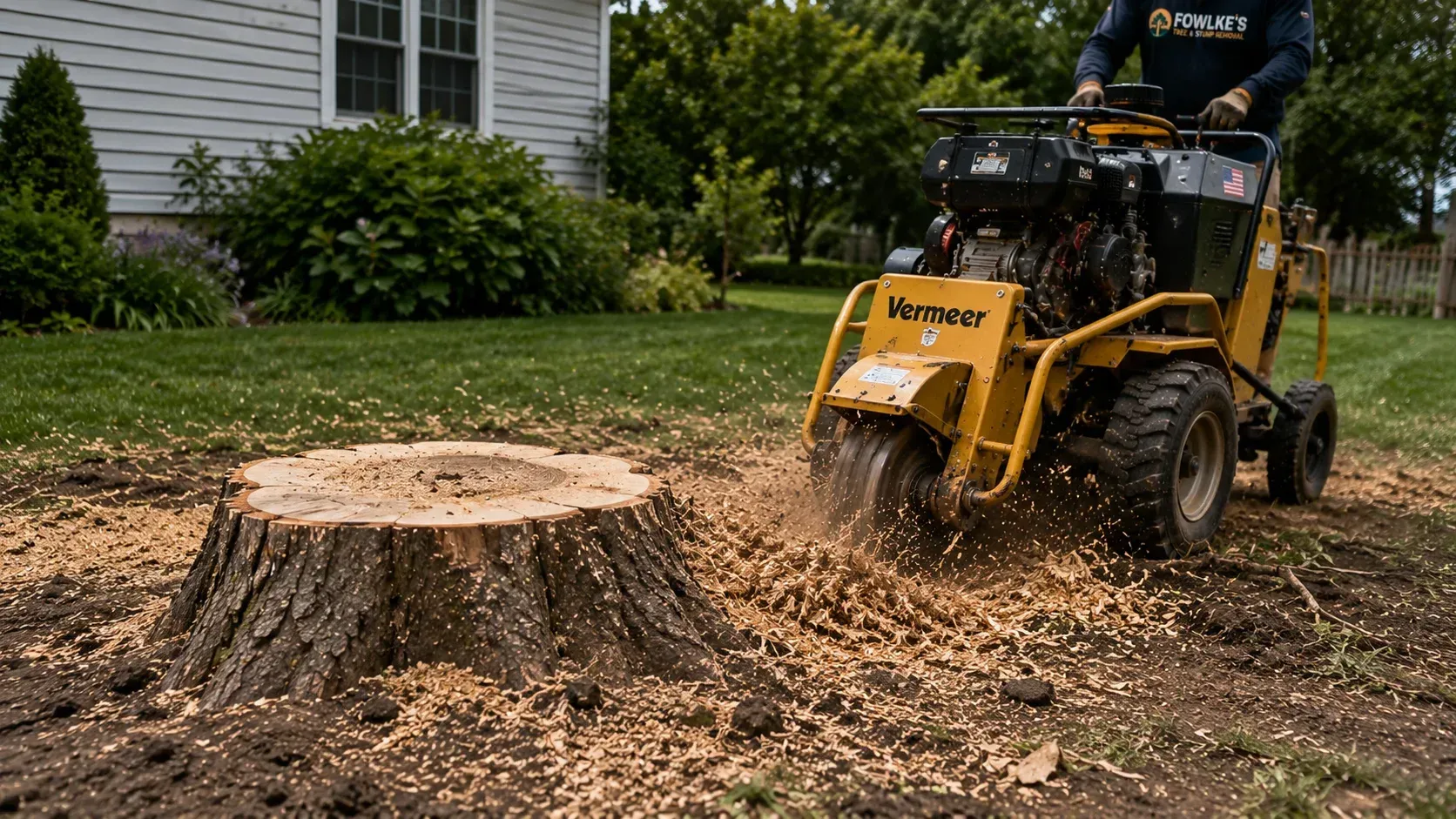
After the tree is cut down, the crew can handle branches and other debris as part of the removal process. If a stump remains, additional stump grinding or removal can be discussed based on your plans for the property.
Related Posts