What Are Tree Removal Services and When Do You Need Them?
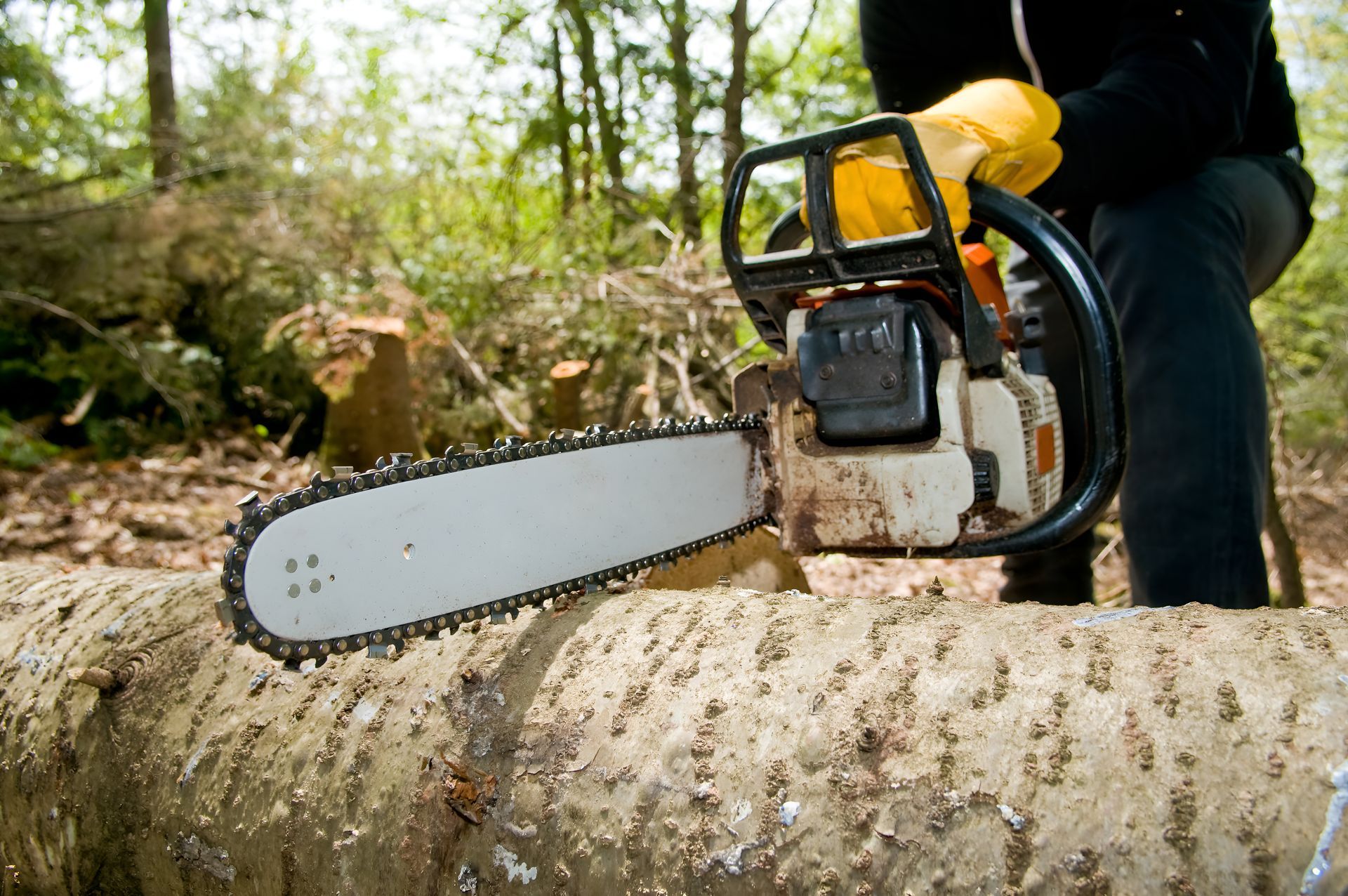
Table of Contents
- Introduction
- Understanding Tree Removal Services
- Signs You May Need Dead Tree Removal
- When Is a Tree Considered Hazardous?
- What Affects Tree Removal Cost?
- Why Professional Tree Removal Matters
- How to Reduce the Need for Emergency Tree Removal
- Knowing When to Remove a Tree
- Conclusion
- Get Professional Tree Removal Help
- Frequently Asked Questions
Key Takeaways
- Tree removal may be necessary when a tree is dead, severely damaged, diseased, unstable, or creating a significant safety risk.
- A professional tree hazard assessment can help determine whether a tree should be removed or maintained.
- Tree size, condition, location, accessibility, and additional services can all affect removal costs.
- Dead trees can become increasingly hazardous as their structural integrity declines.
- Professional tree removal reduces the risks associated with cutting down large or unstable trees.
- Regular inspections and proper tree care may help identify potential problems before emergency removal becomes necessary.
Introduction
Tree removal services involve safely cutting down and removing trees that are dead, diseased, structurally unstable, hazardous, or no longer suitable for their location. Knowing when a tree has become a safety or property concern can help homeowners decide whether removal is necessary and avoid waiting until a damaged tree creates a more serious problem.
Trees provide shade, beauty, privacy, and value, but they can also become hazardous as they age, suffer storm damage, develop disease, or experience structural problems. In some situations, pruning or other maintenance may be enough. In others, complete removal is the safest option.
This guide explains what tree removal services typically involve, the warning signs that may indicate a tree needs to come down, what can affect the cost of removal, and why professional assessment matters.
Understanding Tree Removal Services
Tree removal involves cutting down and removing a tree that can no longer safely remain on a property. Depending on the tree and the surrounding area, removal may require careful planning to prevent damage to homes, fences, vehicles, landscaping, utilities, and other nearby structures.
A professional removal project may involve several steps:
- Tree assessment: The tree and surrounding area are evaluated to identify potential hazards.
- Removal planning: The appropriate approach is determined based on the tree's size, condition, location, and surrounding obstacles.
- Tree cutting: The tree may be cut down in sections when controlled removal is necessary.
- Debris handling: Branches, trunk sections, and other material are removed or processed.
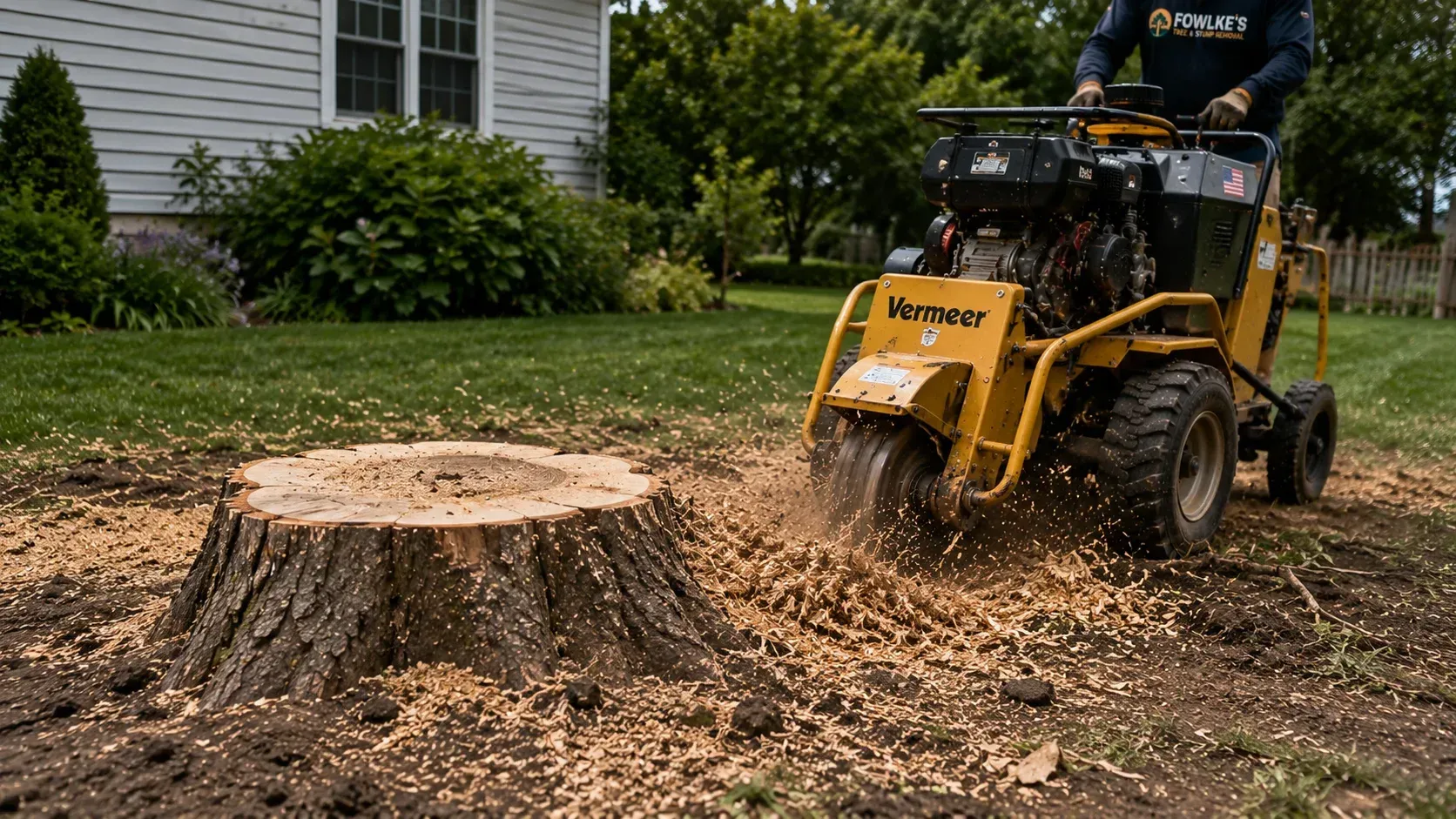
- Stump grinding: Once the tree is down, the remaining stump can be addressed separately when needed.
Professional tree removal services can be especially important when a tree is located close to a house, power lines, driveway, fence, or other structures.
Not every problematic tree needs to be removed. The condition of the tree and the risks associated with leaving it in place should be evaluated before deciding on the appropriate service.
Signs You May Need Dead Tree Removal
A dead tree can become a serious property hazard because its structural strength can deteriorate over time. Branches may become brittle, the trunk can develop decay, and the tree may become more vulnerable to high winds and storms.
Some warning signs include:
- Little or no healthy foliage during the appropriate growing season
- Dry or brittle branches
- Large cracks or splits in the trunk
- Extensive cavities or visible decay
- Peeling or damaged bark
- Fungal growth around the base
- Significant leaning
- Dead branches throughout the canopy
These signs do not automatically mean that removal is required, but they warrant closer attention.
If you're concerned about a potentially dangerous tree, having it evaluated before the condition worsens can help you make a more informed decision.
When Is a Tree Considered Hazardous?
A tree can become hazardous for several different reasons. Its overall condition matters, but so does where the tree is located and what could be affected if it fails.
Structural Problems
Cracks, decay, weak branch unions, hollow sections, or significant damage can compromise the tree's structural stability.
Proximity to Property
A tree located close to a home, garage, fence, driveway, vehicle, or other structure presents a greater potential consequence if a branch or the entire tree falls.
Root Problems
Root damage, decay, soil erosion, or changes to the surrounding ground can affect a tree's stability.
Disease and Pest Damage
Severe disease or pest activity can weaken branches, trunks, or other parts of the tree. In some cases, the damage may be manageable. In others, removal may become the safer option.
Storm Damage
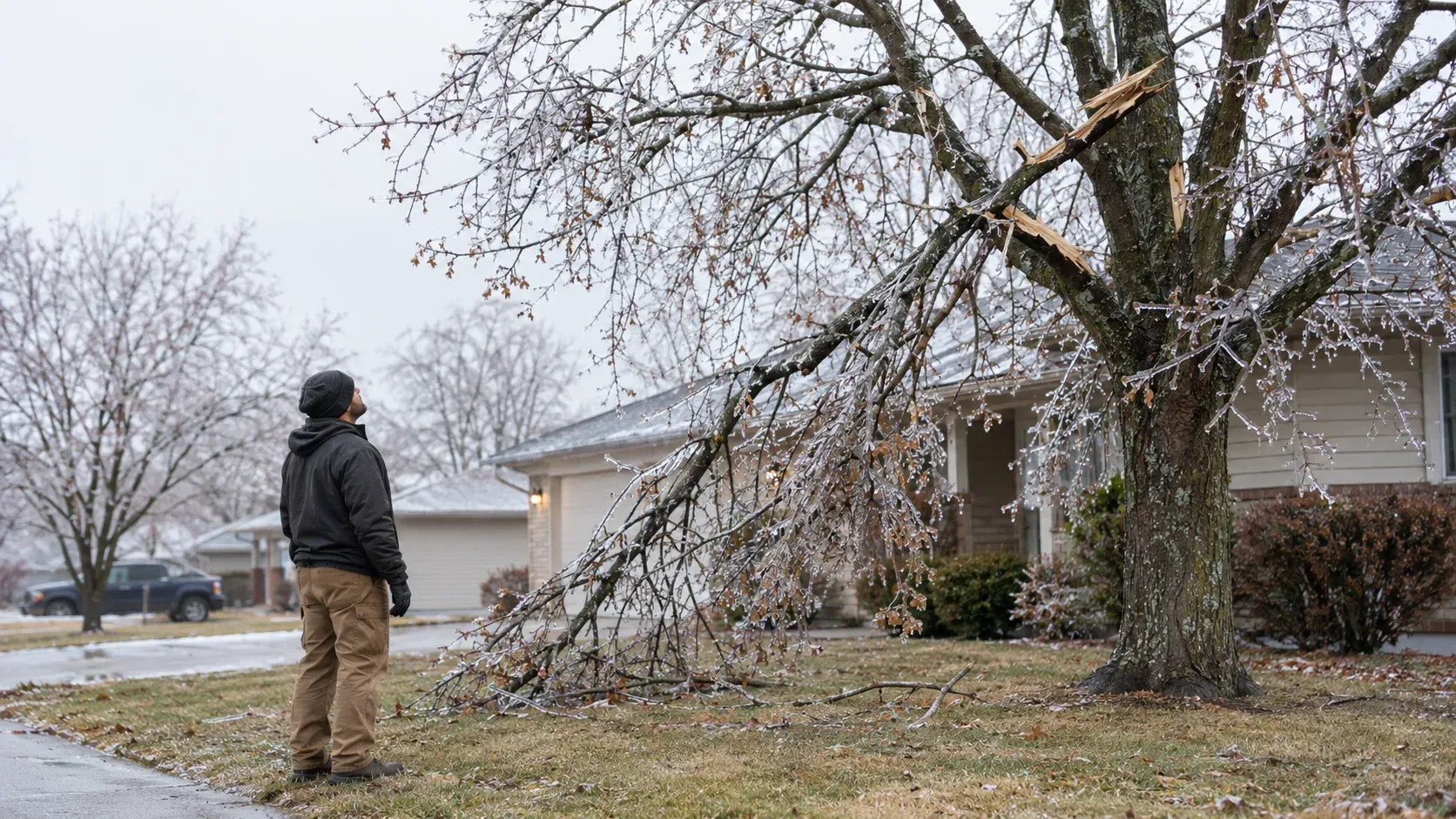
Strong winds, lightning, ice, and falling branches can leave trees structurally compromised even when they initially appear to be standing normally.
A tree that has suffered significant storm damage should be assessed carefully before homeowners attempt to remove damaged branches themselves.
What Affects Tree Removal Cost?
There is no single price for tree removal because every property and tree presents different conditions. Several factors can affect the total cost of a project.
Tree Size and Height
Larger and taller trees generally require more labor, equipment, and planning than smaller trees. Their size can also increase the complexity of safely lowering branches and trunk sections.
Tree Condition
A healthy tree may require a different removal approach than a dead, hollow, severely decayed, or unstable tree. Hazardous trees can require additional precautions because of their unpredictable condition.
Location and Accessibility
A tree in an open area may be easier to remove than one surrounded by buildings, fences, landscaping, vehicles, utility lines, or other obstacles.
Additional Services
The overall project may also involve related services such as stump grinding, debris removal, or cleanup.
Because these factors vary from property to property, an on-site evaluation is more useful than relying on a general price range.
Why Professional Tree Removal Matters
Tree removal is not simply a matter of cutting through a trunk and allowing the tree to fall. Large trees can be heavy, unpredictable, and difficult to control, particularly when they are damaged or located near structures.
Professional tree removal can help address risks involving:
- Falling branches
- Unstable trunks
- Nearby structures
- Power lines and other obstacles
- Limited access
- Storm-damaged trees
- Debris and cleanup
Professionals can also determine whether removal is actually the appropriate solution. In some cases, a tree may be able to remain with proper pruning or other maintenance.
When a tree does need to come down, experienced removal helps make the process more controlled and reduces the likelihood of unnecessary property damage.
How to Reduce the Need for Emergency Tree Removal
Not every emergency can be prevented, especially when severe weather causes sudden damage. However, regular tree care can help identify problems before they become urgent.
Schedule Regular Tree Inspections
Periodic inspections can help identify decay, structural problems, dead branches, or other warning signs.
Address Problem Branches
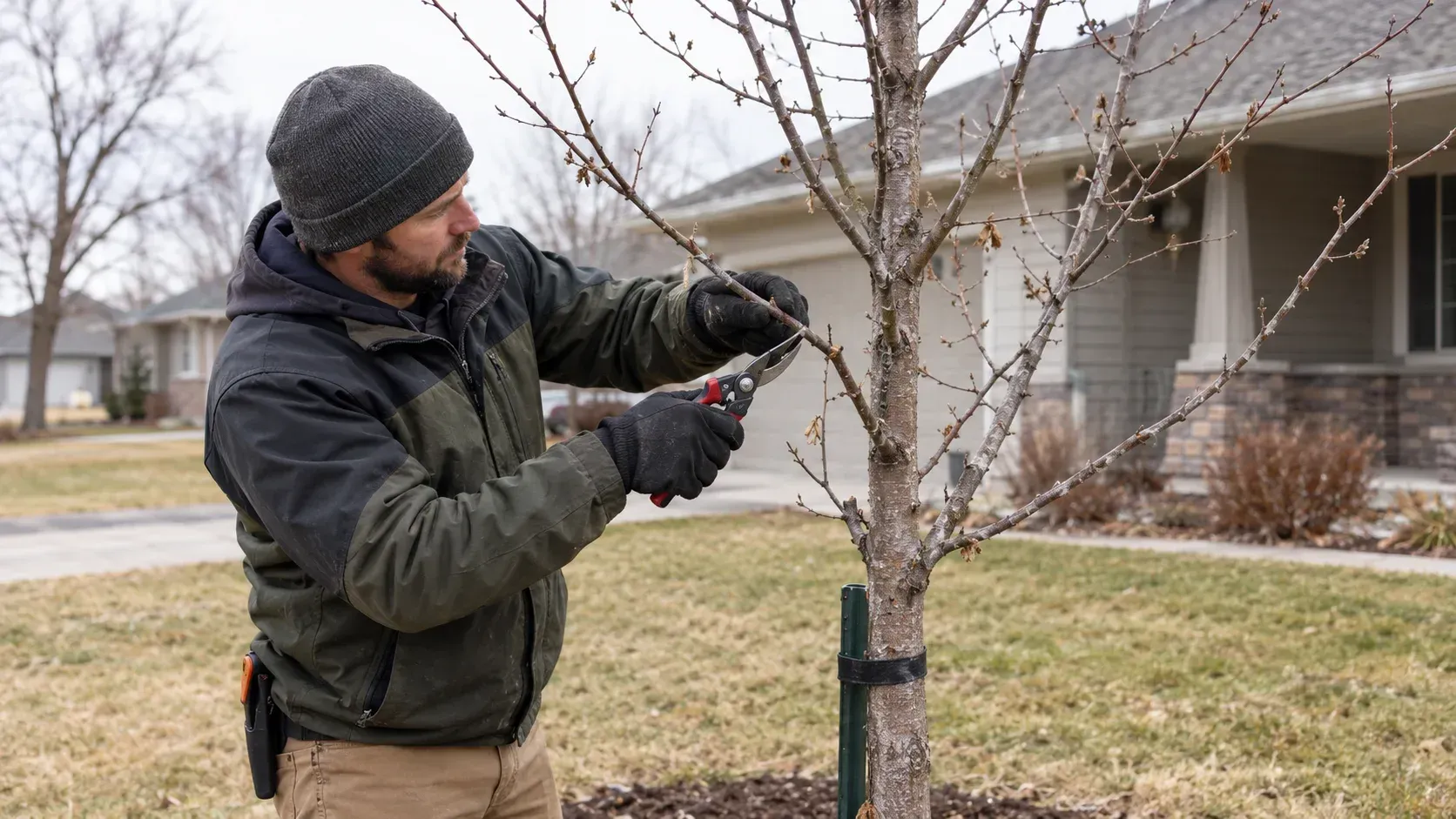
Proper pruning can remove dead or damaged limbs before they become larger hazards. Understanding the difference between tree removal and pruning can help homeowners determine which type of service may be appropriate.
Watch for Signs of Disease or Decay
Changes in bark, foliage, branches, or the trunk can indicate developing problems that deserve professional attention.
Monitor Trees After Severe Weather
Storms can create hidden structural damage. A tree that looks relatively normal from the ground may still have broken limbs or other issues that require attention.
Proactive tree care does not guarantee that a tree will never become hazardous, but it can make it easier to identify potential concerns before they become emergencies.
Knowing When to Remove a Tree
The decision to remove a tree should take into account its health, structural condition, location, and potential impact on people and property.
Removal may be appropriate when a tree is:
- Dead or severely declining
- Structurally unstable
- Seriously damaged by a storm
- Creating a significant hazard
- Severely affected by disease or pests
- Interfering with structures or planned property improvements
If the tree is healthy but has overgrown or problematic branches, pruning may be a better alternative.
The important thing is to evaluate the specific tree rather than assuming every damaged or aging tree needs to be removed. A professional assessment can help determine the safest course of action.
Conclusion
Tree removal services are needed when a tree is dead, severely damaged, structurally unstable, hazardous, or otherwise no longer suitable for its location. Recognizing warning signs early can help homeowners address potential risks before a tree causes property damage or becomes an emergency.
Tree size, condition, location, accessibility, and additional services can all affect the complexity and cost of removal. Because every tree is different, a professional evaluation is the best way to determine whether removal, pruning, or another form of tree care is appropriate.
Get Professional Tree Removal Help
If you have a dead, damaged, leaning, or potentially hazardous tree on your property, contact Fowlkes Tree and Stump Removal to discuss your situation and determine the next step. Call (319) 327-1199 or email fowlkestreeandstumpremoval@gmail.com to schedule a consultation.
Frequently Asked Questions
How do I know if a tree needs to be removed?
A tree may need removal if it is dead, severely damaged, structurally unstable, diseased, or creating a significant risk to people or property. A professional assessment can help determine whether removal is necessary.
Can a dead tree be dangerous?
Yes. As a tree dies, its branches, trunk, and other structural components can deteriorate. This can increase the risk of falling limbs or tree failure, particularly during severe weather.
What factors affect the cost of tree removal?
Tree size and height, condition, location, accessibility, and the presence of nearby structures can all affect the cost. Additional work such as stump grinding and debris removal may also affect the total project price.
Does tree removal include stump removal?
Not necessarily. Tree removal and stump grinding are separate services. After the tree is removed, stump grinding can be performed to grind the remaining stump below ground level.
Can pruning prevent the need for tree removal?
In some cases, yes. If a tree is generally healthy but has dead, damaged, or problematic branches, proper pruning may address the issue while allowing the tree to remain. Severely compromised trees may still require removal.
Related Posts