What Tree Pruning Techniques Work Best for Iowa’s Climate
Table of Contents
- Why Tree Pruning Matters in Iowa
- Understanding the Most Effective Tree Pruning Techniques
- Timing is Everything: When to Prune Your Trees
- Avoiding Common Pruning Mistakes
- Practical Tips for Healthy, Safe Trees
- Why Hiring Professional Tree Pruning Services Makes a Difference
Key Takeaways
- Using the right tree pruning techniques ensures your trees grow strong, healthy, and safe.
- Correct pruning timing reduces stress on trees and prevents long-term damage.
- Professional Tree Pruning service saves time, prevents mistakes, and protects your property.
- Regular pruning keeps landscapes looking attractive, safe, and functional throughout the year.
Why Tree Pruning Matters in Iowa
When we look around Iowa neighborhoods—from Cedar Falls to Hiawatha—we notice mature trees lining streets and backyards. They provide shade, beauty, and a sense of tranquility, but they can also pose risks if not properly maintained. Understanding the best tree pruning techniques is essential for homeowners who want healthy trees and safe properties. Regular Tree Pruning service ensures branches grow evenly, reduces storm hazards, and helps maintain strong tree structure. Knowing the right pruning timing can make all the difference in promoting healthy growth and avoiding long-term damage.
That’s where understanding tree pruning techniques becomes crucial. Pruning isn’t just about aesthetics; it’s about health and safety. A poorly pruned tree can develop structural weaknesses, making it prone to disease, storm damage, or even falling branches. On the other hand, properly pruned trees recover faster, grow stronger, and enhance your property’s curb appeal.
We often speak with homeowners who worry about large branches leaning toward their homes or kids playing under unstable trees. That concern is valid. By regularly using the right pruning methods, we can prevent potential disasters and improve the long-term health of your trees.
Understanding the Most Effective Tree Pruning Techniques
In our experience, there isn’t a one-size-fits-all approach to pruning. Each tree species, size, and location requires a slightly different strategy. Here’s a breakdown of the techniques we recommend for Iowa homeowners:
1. Crown Thinning
Crown thinning is the selective removal of branches to reduce overall density.
- It allows more sunlight to filter through the canopy, which promotes healthy leaf growth.
- Improved airflow helps prevent fungal diseases and reduces humidity-related stress.
- It also balances branch structure, reducing the chance of limb breakage during storms.
We remember a large oak in a Hiawatha yard that hadn’t been thinned for decades. After thinning, the tree not only looked more balanced, but it also survived a severe thunderstorm without a single broken branch. That’s the power of targeted pruning.
2. Crown Raising
Crown raising involves removing lower branches, and it’s especially helpful if you have pathways, driveways, or outdoor living areas.
- It creates clearance for vehicles, pedestrians, and outdoor equipment.
- Improves visibility around your property and enhances safety.
- Keeps the lawn free from falling debris and allows for easier maintenance underneath.
One of our Cedar Falls clients had a maple tree overhanging a playground area. By raising the crown, we created a safe, open space while preserving the tree’s natural beauty.
3. Crown Reduction
Sometimes a tree simply grows too large for its location. Crown reduction is a technique where we shorten branches to control height and spread.
- Protects buildings and overhead lines from potential damage.
- Reduces storm-related hazards by decreasing wind resistance.
- Maintains the tree’s natural shape without sacrificing health.
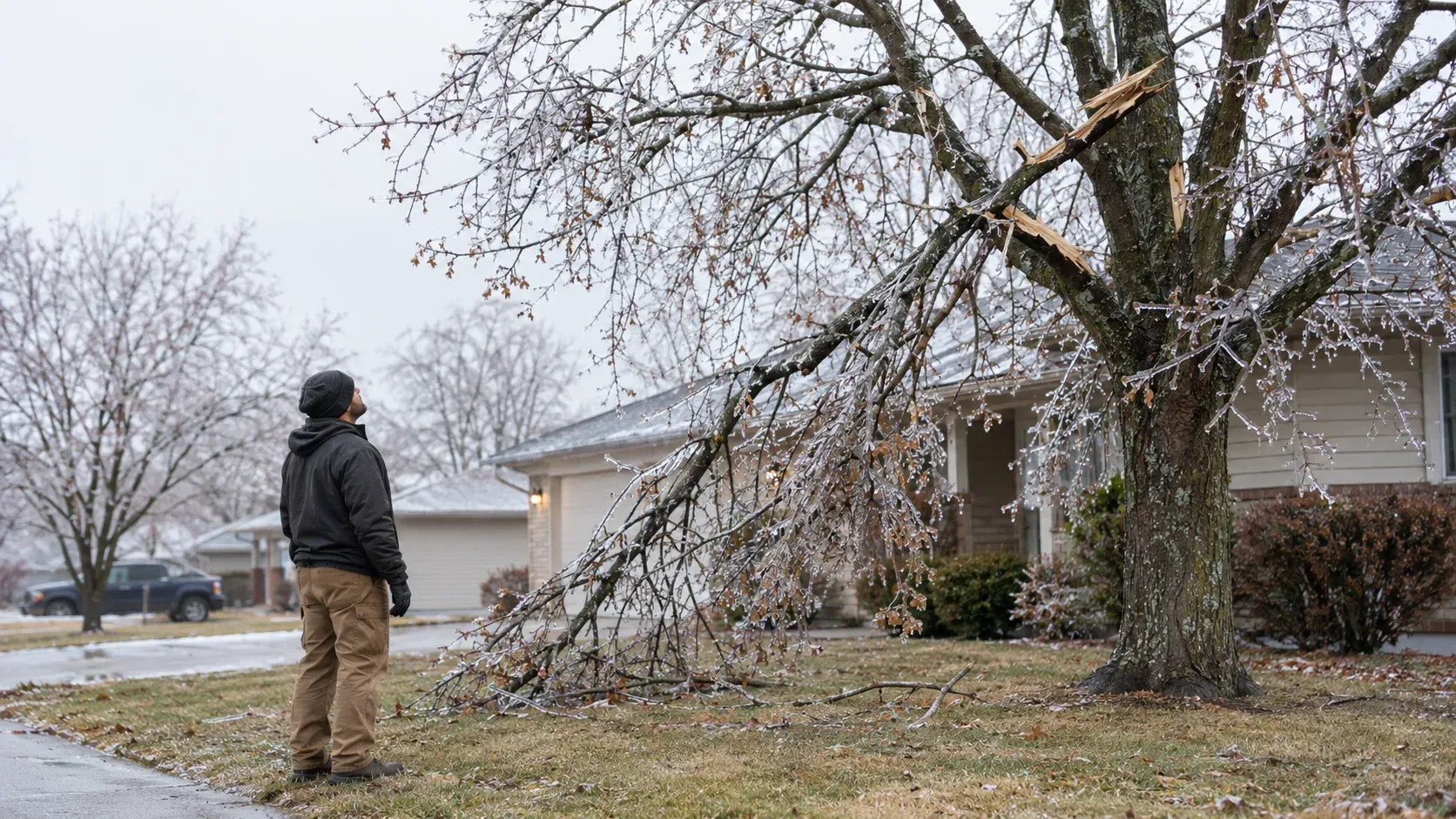
For example, we once reduced the canopy of an older ash tree in Independence. The homeowner was worried about winter ice storms. After the reduction, the tree looked natural, and its branches were far less likely to snap under weight.
4. Deadwood Removal
Dead or diseased branches should never be ignored.
- Removing them prevents disease from spreading.
- Minimizes the risk of falling branches damaging property.
- Encourages healthy new growth by directing energy to strong limbs.
We can’t stress enough how often we see homeowners procrastinate on deadwood removal. Every spring, storms cause more damage than necessary because of branches that should have been cut months earlier.
5. Proper Cutting Techniques
Even if you know which branches to remove, improper cutting can do more harm than good.
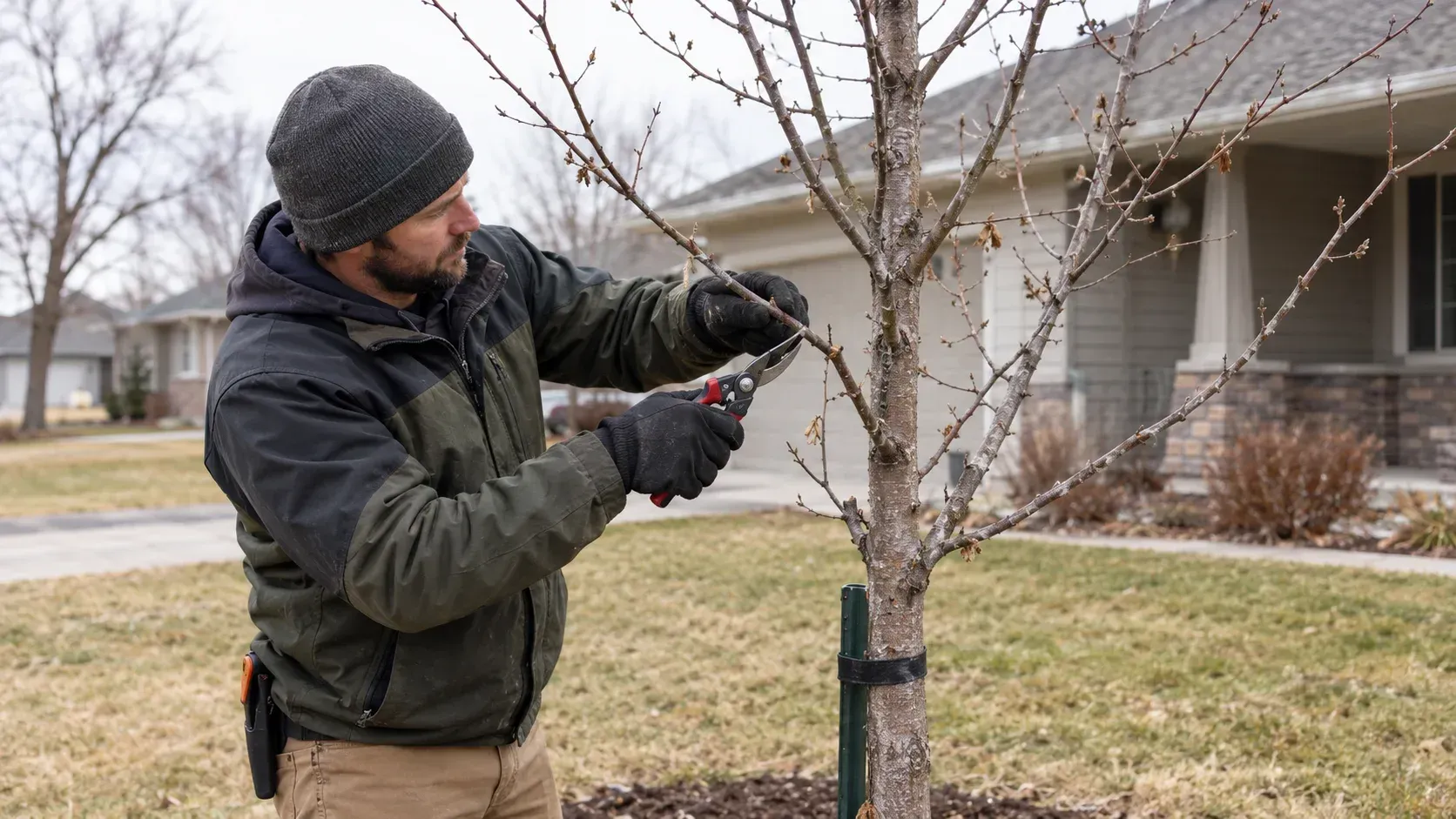
- The “three-cut method” prevents bark tearing on larger limbs.
- Avoid flush cuts; instead, cut just beyond the branch collar to allow natural healing.
- Always use clean, sharp tools to reduce stress and prevent infection.
We’ve had homeowners try DIY pruning on a large oak. One wrong cut and the tree developed a wound that took months to recover. It’s a reminder that knowledge and experience matter.
Timing is Everything: When to Prune Your Trees
In Iowa, pruning timing is just as important as the method itself. Trees are sensitive to seasonal changes, and pruning at the wrong time can have serious consequences.
- Late Winter to Early Spring: Generally the safest window for most species. Trees are dormant, so cuts heal faster once new growth begins.
- Summer Pruning: Useful for controlling growth and removing problem branches. Ideal for minor shaping and thinning.
- Avoid Late Fall: Pruning at this time can stimulate growth that may not survive the harsh winter, leaving the tree vulnerable to disease and dieback.
Timing also depends on species. Maples, oaks, and fruit trees each respond differently, which is why local expertise is invaluable. By choosing the right moment, we ensure trees recover quickly, stay healthy, and continue to enhance your property year after year.
Avoiding Common Pruning Mistakes
Even well-intentioned pruning can go wrong if done incorrectly. Here are the pitfalls we see most often:
- Over-pruning: Removing too much foliage stresses the tree and slows growth.
- Improper Cuts: Cutting too close to the trunk or leaving stubs hinders healing.
- Wrong Timing: Pruning in fall or during active growth can trigger disease.
- Using the Wrong Tools: Dull, rusty, or unsanitary tools can introduce infections.
We always recommend consulting a professional Tree Pruning service. Our crews bring certified expertise, precision tools, and an eye for detail that protects your trees—and your home—from unintended damage.
Practical Tips for Healthy, Safe Trees
We like to give homeowners practical advice they can follow between professional visits:
- Inspect Trees Regularly: Look for signs of disease, leaning branches, or decay. Catching problems early prevents costly repairs.
- Don’t Wait for a Storm: Trees damaged in high winds often have long-term structural issues. Prune before nature forces your hand.
- Clean Tools: Always disinfect pruning tools to reduce the risk of spreading infection.
- Focus on Safety First: Never climb tall trees without proper gear. Even small mistakes can have serious consequences.
- Hire Experts When Needed: Large trees, high branches, or tricky cuts are always safer in professional hands.
We’ve learned that combining these small habits with professional pruning produces the healthiest, most attractive trees. And as much as we love DIY enthusiasts, we’ve seen too many trees suffer because homeowners underestimated the risks.
Why Hiring Professional Tree Pruning Services Makes a Difference
We understand why some homeowners hesitate to call in professionals—they worry about cost or disruption. But here’s the reality: safe, effective Tree Pruning service is an investment in your property, your family’s safety, and the long-term health of your trees.
Benefits of hiring us include:
- Safety First: Handling tall trees, heavy branches, and power line proximity requires certified expertise.
- Precision Cuts: We use the right tree pruning techniques for your species and climate.
- Seasonal Knowledge: We know the best pruning timing for Iowa’s trees.
- Complete Cleanup: After pruning, your yard is left clean, tidy, and ready for use.
- Emergency Availability: Storm damage or unexpected hazards? We respond promptly to protect your home and landscape.
We take pride in knowing that a properly pruned tree isn’t just safer; it’s stronger, healthier, and more beautiful. And in Iowa’s variable climate, that makes a world of difference.
Conclusion
Keeping your trees healthy and safe in Iowa isn’t just a matter of cutting branches—it’s about knowing the right tree pruning techniques, choosing the proper pruning timing, and understanding your trees’ unique needs. Whether you’re managing storm risks, improving curb appeal, or protecting your family, professional Tree Pruning service ensures your trees thrive and your property stays safe.
For peace of mind and trees that flourish year after year, contact Fowlkes Tree And Stump Removal today. Call (319) 327-1199, email fowlkestreeandstumpremoval@gmail.com, or visit our website to schedule a consultation. Our team will guide you on the best tree pruning techniques, proper pruning timing, and how to maintain your landscape for safety, health, and beauty.
Frequently Asked Questions
What tree pruning techniques do we recommend for Iowa trees?
We recommend crown thinning, crown raising, crown reduction, and deadwood removal. Each technique targets specific growth issues to ensure trees stay healthy, safe, and visually appealing. Choosing the right method depends on the species and location.
How often should we schedule a Tree Pruning service?
We suggest regular Tree Pruning service at least once a year, ideally during late winter or early spring. This timing helps trees recover quickly, prevents hazards, and encourages strong, balanced growth for lasting health.
Why is pruning timing important for our trees?
Pruning timing is critical because trees respond differently to seasons. By pruning at the right time, we prevent stress, disease, and weak growth while promoting strong recovery and vibrant foliage.
Can improper tree pruning techniques harm our trees?
Yes, improper pruning can cause structural weakness, disease, or dieback. We always use certified techniques, clean tools, and proper cuts to protect your trees and ensure long-term health and safety.
How do we know if our trees need professional Tree Pruning service?
We look for leaning branches, overgrowth, deadwood, or damage from storms. When trees show these signs, our professional Tree Pruning service keeps them safe, healthy, and thriving while preventing future risks.
Related Posts