Why Leaving Tree Roots After Removal Can Cause Long-Term Yard Problems
Table of Contents
- Understanding the Impact of Leaving Tree Roots
- Common Problems Caused by Leftover Roots
- Pest Infestations
- Uneven Ground and Trip Hazards
- Interference with Landscaping Projects
- Methods for Safe and Effective Root Removal
- Manual Extraction
- Stump Grinding
- Chemical Treatments
- Maintenance Tips to Prevent Future Yard Damage
- Conclusion
Key Takeaways
- Leaving tree roots can cause structural and aesthetic yard problems.
- Leftover roots attract pests, create uneven surfaces, and hinder landscaping.
- Proper stump grinding and removal are essential for a safe, healthy yard.
- Regular yard maintenance after tree removal prevents long-term issues.
Understanding the Impact of Leaving Tree Roots
When a tree is removed, homeowners often focus on the visible stump, assuming the underground roots are less important. However, leaving tree roots in your yard can create significant long-term problems. To address this, services like stump grinding are highly effective for removing major roots below ground. Tree roots continue to occupy space in the soil, disrupt underground systems, and decay unevenly over time.
This decay can lead to holes, soft spots, and soil instability, affecting both your yard’s appearance and safety. For more information on hidden issues caused by leftover roots, see our post on tree stump removal hidden yard dangers.
Understanding why leftover roots matter is the first step in maintaining a healthy landscape. The root system of a mature tree can extend well beyond the tree’s canopy, sometimes reaching twice as wide as the tree itself. Ignoring these roots after removal doesn’t just leave a cosmetic issue—it sets the stage for future complications that are more costly and time-consuming to fix. Learn
how stump grinding restores your lawn’s beauty and helps prevent these issues.
Common Problems Caused by Leftover Roots
Pest Infestations
One of the most overlooked consequences of leaving tree roots is the risk of pest infestations. Decaying roots attract termites, ants, and other wood-boring insects. These pests can migrate to nearby trees, shrubs, or even your home, causing structural and landscaping damage. In addition, fungi and mold may develop around decomposing roots, creating health hazards and making your yard a less pleasant place to enjoy.
Uneven Ground and Trip Hazards
As leftover roots decompose, they leave voids in the soil, creating uneven ground. This can result in noticeable depressions or holes, posing a trip hazard for children, pets, and adults alike. Over time, these areas can fill with water, further eroding the surrounding soil and promoting the growth of weeds and unwanted vegetation. This not only affects safety but also makes lawn maintenance more challenging.
Interference with Landscaping Projects
If you’re planning to add new plants, install a patio, or build a garden path, leaving tree roots can create major obstacles. Roots can interfere with digging, planting, and leveling, limiting your landscaping options. In some cases, stubborn roots may even cause damage to irrigation systems, underground utilities, and hardscape elements, leading to expensive repairs.
Methods for Safe and Effective Root Removal
Addressing leftover roots properly requires a strategic approach. Depending on the size of the tree and root system, homeowners can choose from several methods:
Manual Extraction
For smaller trees and shrubs, manual removal using shovels, axes, and root saws can be effective. This method requires patience and physical effort, as roots can be tough to extract, especially if they’ve grown deep. Manual extraction ensures that most of the root system is removed, reducing the risk of future yard problems.
Stump Grinding
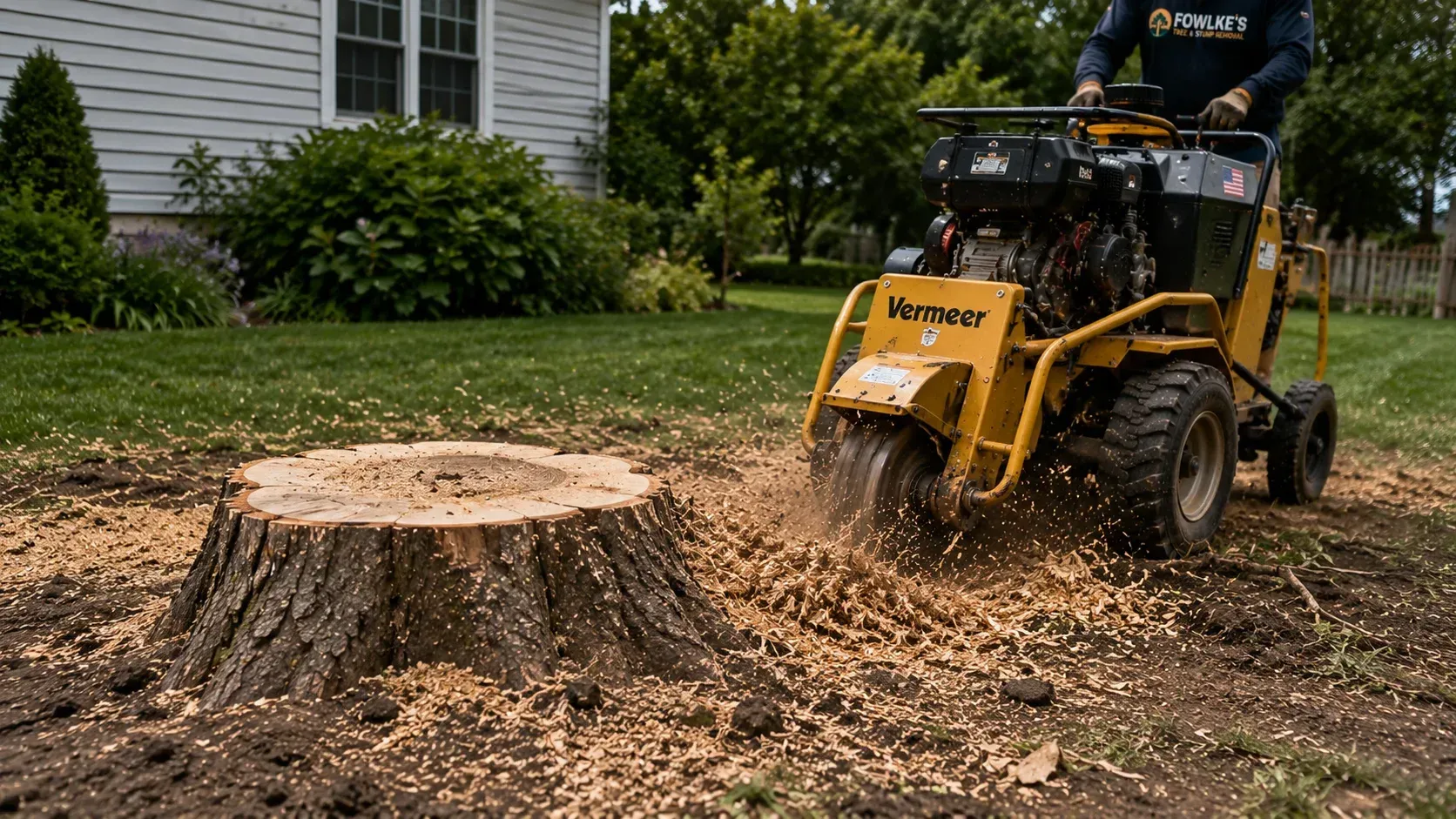
Stump grinding is a highly efficient method for removing both the stump and the major roots below ground. A stump grinder pulverizes the wood into mulch, which can be reused in your garden. This process prevents the common issues caused by leftover roots, such as uneven ground and pest infestations, and provides a clean slate for landscaping projects.
Chemical Treatments
For homeowners looking for minimal labor, chemical treatments can accelerate the decomposition of remaining roots. Root-killing chemicals penetrate the wood, gradually breaking it down. While this method is less immediate than grinding, it can complement other removal strategies and reduce long-term yard problems.
Maintenance Tips to Prevent Future Yard Damage
After removing a tree and addressing its roots, ongoing maintenance is essential to prevent future problems:
- Monitor the Area: Check for signs of pest activity or new growth from remaining root fragments.
- Level and Fill: Fill depressions left by decomposed roots with soil and compact it to maintain a smooth surface.
- Mulch Wisely: Mulching around the removed tree area can help control weeds and maintain soil health, but avoid piling mulch directly on remaining roots.
- Plan Landscaping Carefully: When planting new trees or shrubs, consider the location of removed roots and soil quality to ensure healthy growth.
Conclusion
Neglecting to remove tree roots after a tree is taken down may seem harmless at first, but leaving tree roots behind can cause a cascade of long-term yard problems. From attracting pests and creating uneven surfaces to interfering with landscaping projects, leftover roots compromise both the beauty and safety of your yard. Employing proper removal methods like stump grinding and following regular maintenance practices ensures that your landscape remains healthy, safe, and visually appealing.
For homeowners seeking professional assistance, Fowlkes Tree And Stump Removal offers expert tree and root removal services. Our team can help prevent future yard issues, restore your lawn’s beauty, and create a safe, attractive outdoor space. Learn more about our stump grinding services, explore hidden yard dangers from leftover roots, or contact us directly at (319) 327-1199 or fowlkestreeandstumpremoval@gmail.com.
Let us help you achieve a beautiful, problem-free yard today.
Frequently Asked Questions
Why is leaving tree roots in our yard a problem?
Leaving tree roots can cause uneven ground, attract pests, and interfere with landscaping projects. We remove them properly to maintain a safe, healthy, and visually appealing yard.
How do leftover roots affect our lawn?
Leftover roots can decay unevenly, creating holes and soft spots. We address them through stump grinding or other removal methods to restore our lawn’s stability and beauty.
What is stump grinding, and why do we need it?
Stump grinding removes the visible stump and major roots below ground. By using this method, we prevent leftover roots from causing hazards or disrupting future landscaping.
Can we remove leftover roots ourselves?
For small roots, we can manually extract them, but large roots often require professional stump grinding to ensure all remnants are removed and future yard problems are prevented.
How can we prevent problems after removing a tree?
We monitor the area for new growth, fill depressions left by roots, mulch wisely, and plan landscaping carefully to keep our yard safe, smooth, and free from leftover root issues.
Related Posts